
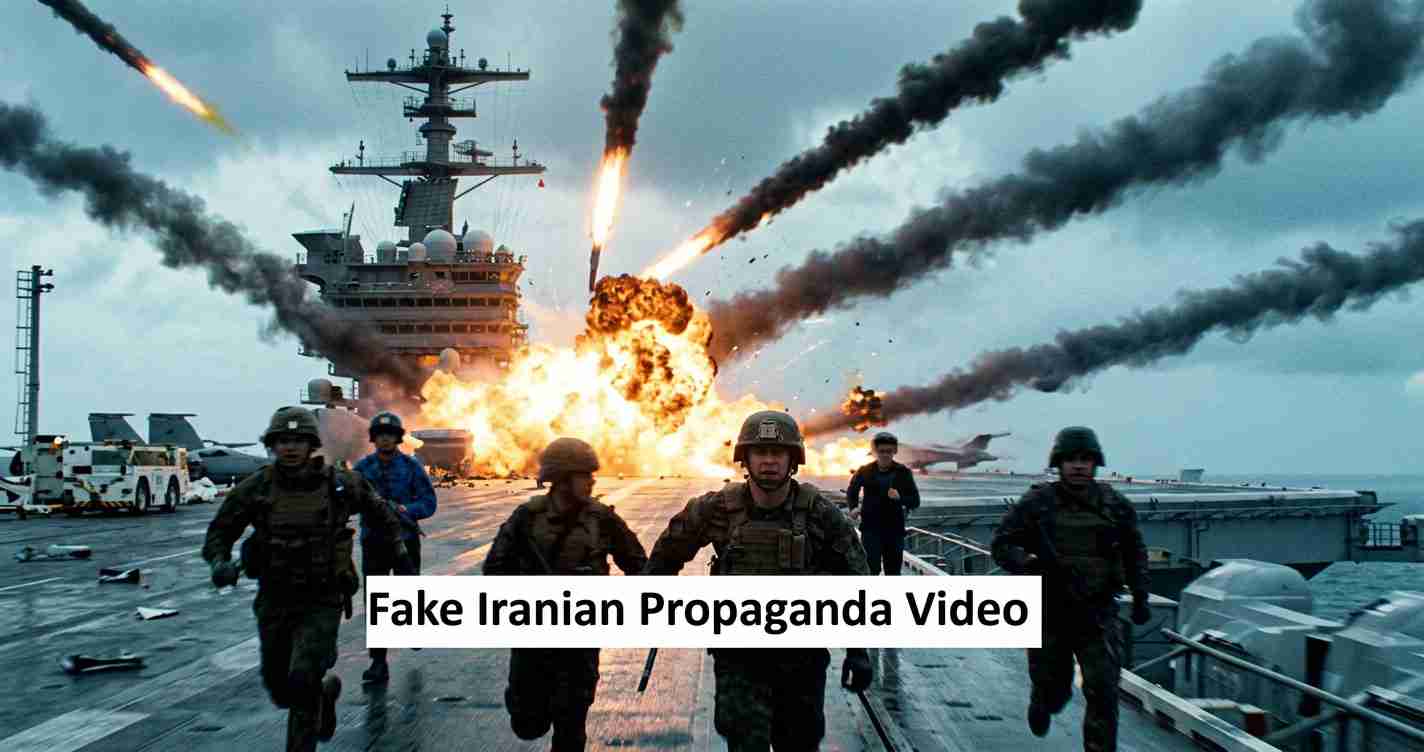
Former CISA Acting Director Warns Iran Is Using AI Propaganda to Paint False War Wins; Mojtaba Khamenei AI Images Cited
Former CISA acting director Bridget Bean warns Tehran is using advanced AI to subtly edit images and videos to fabricate battlefield victories and erode international resolve, while independent verifiers flagged recently released Mojtaba Khamenei photos as AI-altered.
Key takeaways
- State actors are mixing real and AI-edited media: Bridget Bean says Iran is blending authentic footage with subtle AI edits to push a false narrative.
- Independent verifiers flagged Khamenei photos: Reporting summarized at reporting on AI-edited images of Mojtaba Khamenei cites BBC Verify findings of likely AI manipulation.
- Public guidance matters: Slow down before sharing, cross-check imagery, and seek confirmation from multiple reputable outlets.
Main content
What Bridget Bean said and why it matters
Bridget Bean, a former acting director of the Cybersecurity and Infrastructure Security Agency (CISA), told viewers on the Fox News segment that Iran “can’t win on the battlefield, so they’re going to try and win through AI and through a global narrative.”
Her warning carries institutional weight: CISA is responsible for protecting critical cyber and infrastructure systems, and Bean’s background lends credibility to concerns about state-directed information operations that mix real and edited content to appear authentic at a glance.
“They’re going to try and win through AI and through a global narrative.” — Bridget Bean (as quoted on Fox News)
Specific example: Mojtaba Khamenei images
On Thursday, Iranian state outlets and Mojtaba Khamenei’s X account posted photographs that were later flagged as edited. Verification coverage compiled at reporting on AI-edited images of Mojtaba Khamenei cites BBC Verify’s Shayan Sardarizadeh, who identified inconsistencies consistent with the use of online AI tools.
Context: The images circulated amid reports that Khamenei was injured and unable to appear publicly, increasing incentive to present convincing visuals that support a desired narrative.
How the manipulation works, according to experts
Open-source investigators and authorities describe a pattern: rather than inventing entire scenes, operators start with genuine photos or footage and apply subtle AI edits — adjusting facial expressions, lighting, or tiny movements so the result “passes the gut test” for quick viewers.
- Blend real + edited: Authentic frames make detection harder because the base material is recognizable.
- Small changes, big effect: Minor pixel-level edits rarely register in rapid social-media consumption.
- Designed for speed: The tactic targets audiences who receive news via short clips and image feeds.
Verification limits and evidence gaps
Current public reporting identifies likely manipulation and raises alarms, but does not present a comprehensive inventory of all altered materials or name every forensic technique and tool. The Fox News clip provides Bean’s analysis without listing specific software or classified details. The HarianBasis summary references BBC Verify’s findings but does not disclose every forensic step.
Typical investigator methods include open-source forensics, metadata checks, reverse-image comparisons, and cross-referencing with known originals, though full methodologies are not always published.
Why Iran would use AI propaganda now
Analysts say states under military pressure often shift resources to information strategy. Bean frames Iran’s AI use as a compensatory tactic to project strength, influence negotiations, and blunt international support for adversaries by manufacturing a narrative of success.
Strategic aims: reduce international pressure, shape diplomatic postures, and sow doubt among foreign publics.
What independent verifiers found about the Khamenei photos
Journalistic teams compared the newly released images with prior photos and flagged mismatches in lighting, facial proportions, and pixel-level artifacts. BBC Verify’s work, cited in the HarianBasis report, concluded that online AI tools likely played a role.
Important: These findings show how readily available tools can alter public-facing imagery but do not necessarily identify a single originating actor or toolchain.
Practical advice for readers
- Slow down before sharing: Pause if a post elicits a strong emotional reaction.
- Cross-check images and videos: Use reverse-image search and compare with reputable outlets.
- Seek official confirmation: Major developments about leadership or military actions are usually reported by multiple established sources.
- Be skeptical of single-post claims: State media and affiliated accounts can amplify edited material quickly.
Implications for Redding, California
Economic impact
AI-driven misinformation can ripple into local economies. Redding-area businesses that rely on travel, tourism, or trade may see consumer caution, fuel-price sensitivity, or market volatility affect sales and investment.
Political consequences
In conservative communities like Redding, warnings from former U.S. security officials may amplify skepticism toward foreign state media and prompt calls for improved information hygiene from local leaders and campaigns.
Social effects
Misinformation can erode community trust and increase anxiety among families with military ties. Schools, churches, and civic groups may need to help residents distinguish verified information from doctored content.
Cultural relevance
Redding’s strong community identity may view attempts to weaken U.S. resolve as attacks on shared values, potentially strengthening local interest in media literacy and national-security-focused messaging.
Practical applications for residents
- Local news outlets should prioritize verified reporting and flag suspicious posts.
- Parents and educators can teach basic media literacy and reverse-image search techniques.
- Veterans’ and civic groups can host briefings on AI manipulation and reporting procedures.
- Emergency planners and public information officers should coordinate to provide accurate community updates during international tensions.
Sources and further reading
- Fox News video clip of Bridget Bean on The Ingraham Angle
- Reporting on AI-edited images of Mojtaba Khamenei and verification notes
Reporting note: This article compiles public reporting and verification summaries from the cited sources. Bridget Bean’s remarks are drawn from her Fox News appearance; verification findings on the Khamenei images are cited from HarianBasis coverage referencing BBC Verify.



