
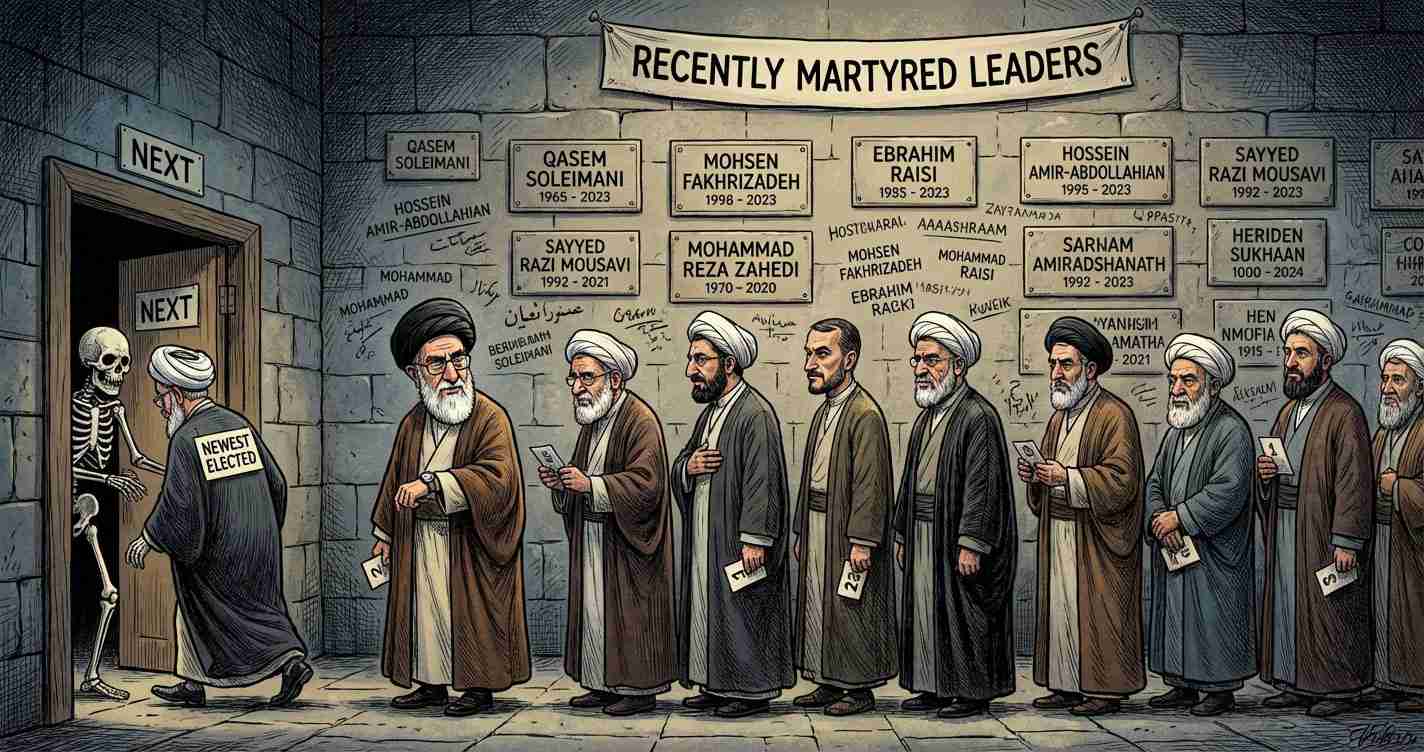
Mojtaba Khamenei Elected Iran’s Supreme Leader in Hasty Vote, Deepening Hard‑Line Grip as U.S. Voices Strong Opposition
Mojtaba Khamenei has been officially elected as Iran’s new Supreme Leader by the Assembly of Experts on March 8, 2026, succeeding his late father amid escalating conflict with the United States and Israel and strong international reactions.
Key takeaways
- Mojtaba Khamenei, 56, was chosen by the Assembly of Experts on March 8, 2026, amid wartime urgency and an expedited, largely online vote.
- Reported IRGC pressure: the Islamic Revolutionary Guard Corps allegedly contacted delegates repeatedly to push for his selection.
- U.S. opposition and sanctions: Mojtaba was sanctioned in 2019 and faces sharp criticism from former President Donald Trump.
- Regional impact: analysts warn the appointment signals hard‑line continuity and may deepen factional tensions inside Iran and increase regional risk.
Main coverage
Key information and vote context
Mojtaba Khamenei, the second‑eldest son of the late Supreme Leader Ali Khamenei, was selected by Iran’s Assembly of Experts on March 8, 2026. Reports describe the vote as expedited and conducted largely online due to ongoing military confrontations with the United States and Israel. Observers have flagged the process as rushed and conducted under coercive circumstances that limited deliberation.
Sources cited in reporting include Japan Times and the Wikipedia entry on the 2026 Iranian Supreme Leader election for detailed timelines and accounts.
Background and early life
Mojtaba Khamenei was born in Mashhad in 1969 and grew up as his father rose through post‑revolutionary ranks. The family relocated to Tehran after the 1979 revolution. Mojtaba attended Alavi High School, graduating in 1987, and began formal clerical studies in 1989 under senior jurists including Mahmoud Hashemi Shahroudi.
Path to power and influence
For years Mojtaba was a visible figure beside his father and cultivated influence across Iran’s security, religious and business networks. Analysts note he built ties with commanders, clerics and economic actors that positioned him as a central behind‑the‑scenes figure well before the vote. Reports from 2024 suggested designation by the elder Khamenei, though state media earlier denied such plans.
Election process and reported pressure
Officials said wartime urgency necessitated a swift selection. According to reporting, the IRGC repeatedly contacted Assembly members beginning March 3 to push for Mojtaba’s selection, applying political and psychological pressure in the run‑up to the vote. Critics described the process as constrained, with limited public debate inside the clerical body.
U.S. reaction, sanctions and Trump opposition
The United States previously sanctioned Mojtaba Khamenei in 2019 under Executive Order 13867, citing his role representing the supreme leader despite lacking elected office. In a widely reported interview, former President Donald Trump criticized the elevation, calling the appointment “unacceptable” and describing Mojtaba as “a lightweight,” remarks that underscore the appointment’s resonance in U.S. domestic politics.
Security context and symbolic significance
The appointment occurred amid strikes and attacks on fuel depots, refineries and desalination plants, and at least seven U.S. service members were reported killed as of March 8 in exchanges tied to the broader conflict. Analysts say installing a successor from the supreme leader’s family signals hard‑line continuity and could intensify internal dissent and factional divides during wartime.
For casualty and conflict reporting see CBS News.
Implications for Redding, California
Local impacts in Redding could span economic, political and social spheres: higher fuel and energy costs, pressure on local officials to call for firmer federal measures, and increased civic engagement among veterans, faith groups and conservative voters. The small Iranian and Muslim communities may see heightened attention or mobilization around human rights and refugee support.
Practical applications for residents
- Travel and safety: monitor State Department advisories and travel insurance; verify flight policies.
- Economic preparedness: households and businesses should consider contingency budgeting for fuel and utility price spikes.
- Civic engagement: constituents may contact representatives to express views on sanctions or military deterrence; local town halls may follow.
Sources and further reading
- Japan Times: “Mojtaba Khamenei named Iran’s new supreme leader” (March 9, 2026)
- Wikipedia: 2026 Iranian Supreme Leader election
- CBS News: Live coverage of U.S.-Iran-Israel exchanges
- Video reporting and footage related to the conflict
Reporting note: Reporting from Tehran. Times Media Service.



