
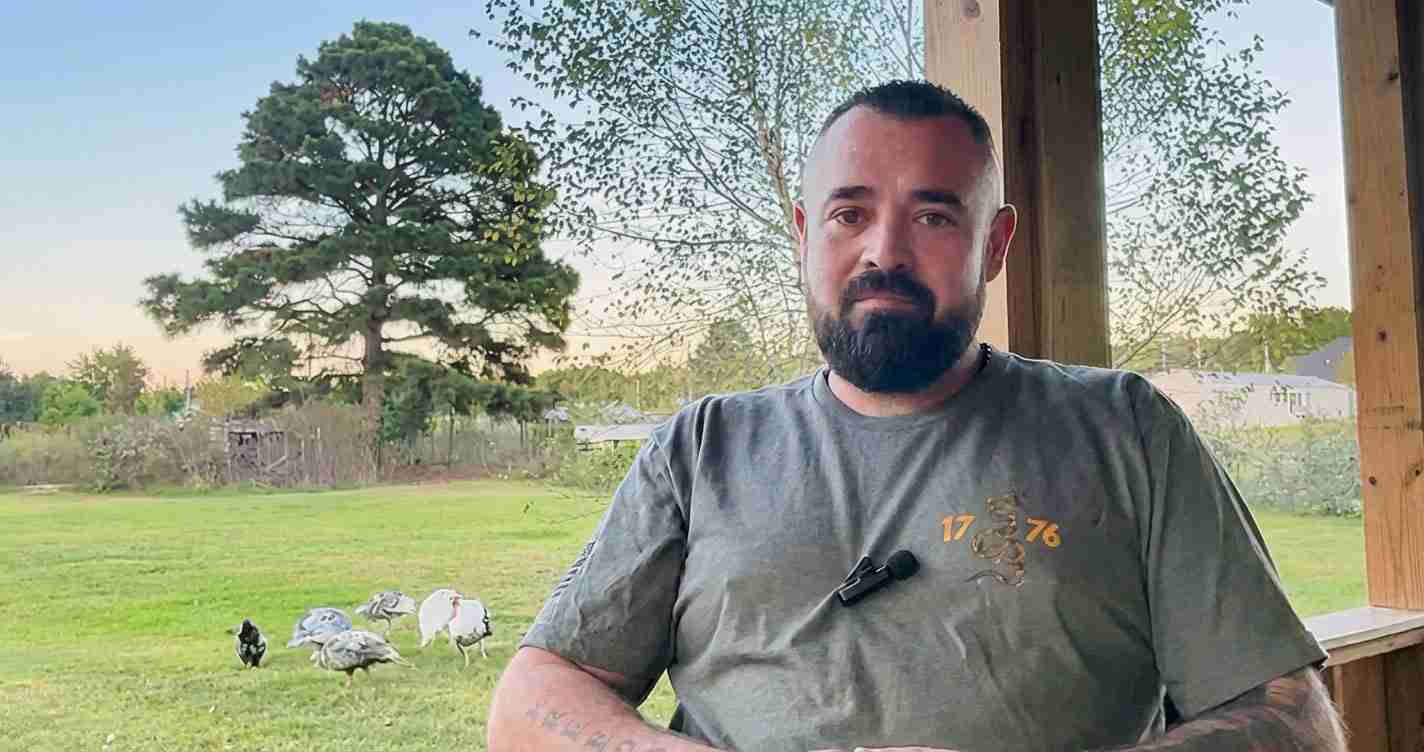
Aaron Spencer wins Lonoke County Republican primary while awaiting murder trial
Aaron Spencer, 37, won the Lonoke County Republican primary with roughly 53.5% of the vote on March 4, 2026, even as he awaits trial on second‑degree murder charges in the October 2024 killing of Michael Fosler.
- Primary victory: Spencer won with about 53.5%, defeating incumbent Sheriff John Staley (~26.5%) and David Bufford (~20%). (Source)
- Criminal charges: Spencer faces second‑degree murder charges for the Oct. 8, 2024, shooting death of 67‑year‑old Michael Fosler; Spencer has acknowledged the killing but pleaded not guilty. (Source)
- Legal and electoral stakes: Spencer remains out on bond; a judge recusal delayed the trial and a retired judge has been assigned. If convicted, he would be barred from serving and the county GOP would pick a replacement nominee for November. (Source)
Main content
Election results
Aaron Spencer, 37, captured the Republican nomination for Lonoke County sheriff on March 4, 2026, receiving approximately 53.5% of the vote. Incumbent Sheriff John Staley conceded, finishing near 26.5%, and third candidate David Bufford received nearly 20%. The result made Spencer the GOP nominee for the Nov. 2026 general election, where he will face Democrat Brian Mitchell Sr.. (Source)
Background of the case
According to court records and charging documents, on the night of Oct. 8, 2024, Spencer says he woke to find his daughter missing and later located her inside a vehicle driven by Michael Fosler. Spencer followed and forced Fosler’s truck off the highway; a confrontation followed that Spencer says ended in a shootout and Fosler’s death. Spencer called 911 after the shooting. (Source)
Fosler had been charged with multiple counts of sexually abusing Spencer’s then‑13‑year‑old daughter and was out on a $50,000 bond with orders not to contact the girl. Prosecutors had filed numerous sexual‑offense counts; defense and prosecution records show a no‑contact order had been imposed. Spencer publicly criticized the bail as too low given the charges. (Source)
Legal status and court developments
Spencer was arrested by deputies from Sheriff Staley’s office in 2024 and charged with second‑degree murder. He has entered a not guilty plea. The trial was initially scheduled for late January 2026 but was postponed after the Arkansas Supreme Court recused the judge who had been assigned, at the defense’s request. A retired judge now oversees the case and a hearing to set a new trial date was scheduled shortly after the primary. Spencer remains free on bond as proceedings continue. (Source)
Campaign, messaging and local reaction
Spencer launched his campaign for sheriff in fall 2025, framing his run as a response to perceived failures in policing and the courts. He emphasized his military service — including time as a paratrooper in the Army’s 82nd Airborne Division — and his experience as a farmer and manager. In campaign materials he said,
“Through my own fight for justice, I have seen firsthand the failures in law enforcement and in our circuit court. And I refuse to stand by while others face these same failures.”
Staley, a longtime law enforcement official who had served more than 13 years as Lonoke County sheriff, conceded on Facebook: “Tonight, the voters made their decision, and I respect the decision.” Staley’s office had led the investigation that resulted in Spencer’s arrest. (Source)
How voters reacted
Lonoke County is heavily Republican; the county gave nearly 76% support to former President Donald Trump in 2024, so the GOP nominee is favored in November. Voters were divided between sympathy for a parent who said he found his child in danger and concern about electing someone facing a criminal trial. The primary results suggest many voters aligned with Spencer’s law‑and‑order message and frustration with the criminal‑justice system. (Source)
November stakes and legal implications
Spencer will face Brian Mitchell Sr. in the Nov. 2026 general election. State law would bar Spencer from serving as sheriff if he is convicted before taking office; party officials would then select a replacement nominee. A conviction after assuming office would likewise disqualify him and trigger removal and replacement procedures. Those legal possibilities add uncertainty to a race that now intertwines criminal proceedings with electoral politics. (Source)
Investigative questions and unresolved issues
- Bond decisions: Why was Fosler released on a $50,000 bond despite multiple sexual‑abuse charges, and who approved that bail decision? (Source)
- No‑contact enforcement: Did the system properly enforce the no‑contact order that was reportedly in place? Court records and charging papers are central to resolving that question. (Source)
- Succession planning: How will local leaders handle the possibility of a sheriff‑elect who is unable to serve because of a conviction? The county faces logistical and legal choices if that scenario occurs. (Source)
Implications for Redding, California
Economic impact: Though an Arkansas local race, the episode highlights public‑safety concerns that can influence local economies. Business owners and investors often weigh candidates’ public‑safety policies when deciding where to invest; Redding leaders may view the Lonoke County contest as a prompt to review bail and victim‑protection practices.
Political consequences: For conservative voters in Redding, themes of parental rights and skepticism of perceived leniency in criminal justice may resonate. Local Republican leaders and candidates could use the case to argue for tougher bail standards and faster case processing.
Social and cultural effects: The narrative of a parent taking action to protect a child can mobilize support in conservative communities, while the legal risks of electing a candidate facing serious charges may spur debate about balancing sympathy for a parent with the rule of law.
Practical applications: Redding officials and residents could review pretrial and bail policies, strengthen child‑protection enforcement, and ensure clear protocols for no‑contact orders and follow‑up. Voters are reminded to vet candidates’ legal standing and consider contingency plans if an elected official cannot serve because of conviction.
Reporting notes and sources
This article draws on reporting by Times Media Service and court and sheriff’s office records. Key facts cited here come from the Times Media Service summary and election returns. Full reporting and background are available at: Full reporting and background.
For further updates on the Lonoke County sheriff election, Aaron Spencer’s trial schedule, and local responses in Redding, follow Times Media Service and local court dockets.


