
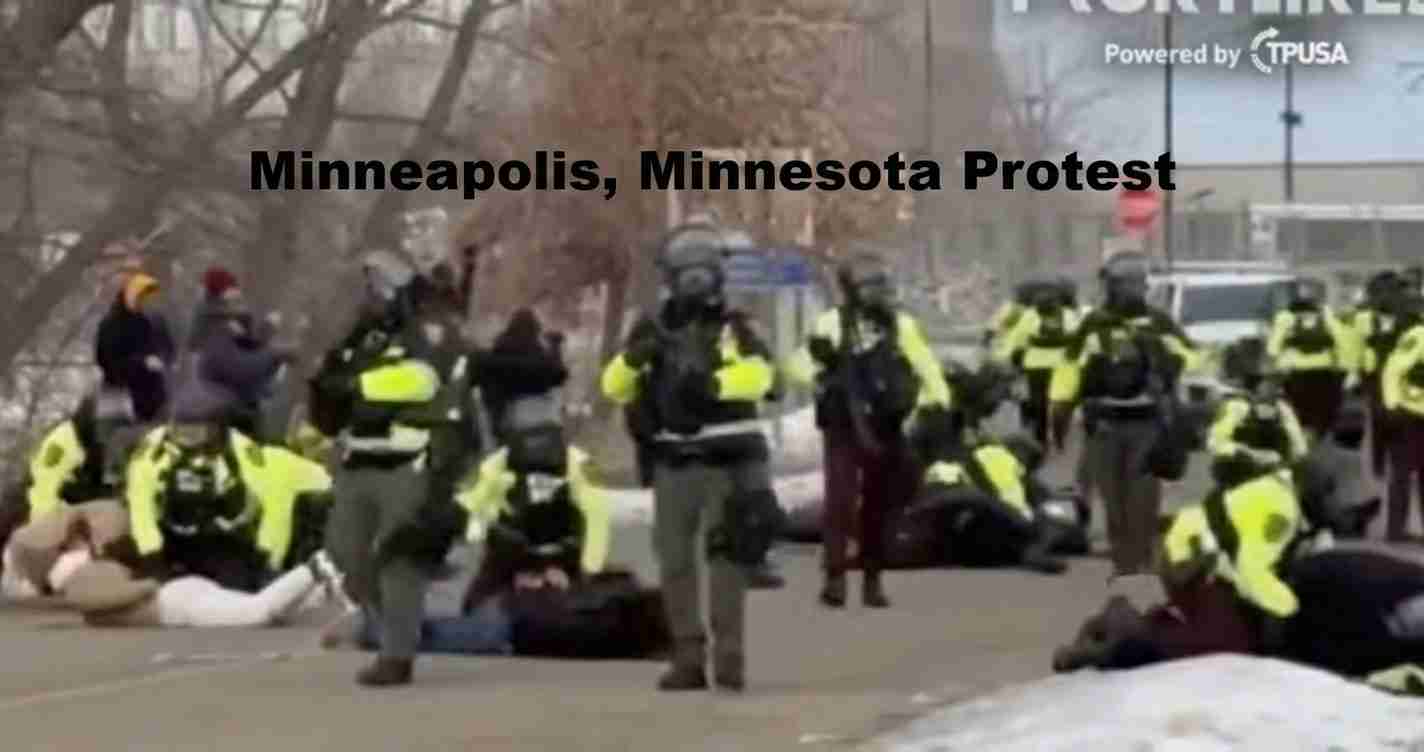
54 Arrested in Minneapolis ICE Protest; Whipple Building Demonstration Declared Unlawful After Rocks, Glass Thrown
At least 54 people were arrested March 1, 2026, after an anti-ICE demonstration outside the Bishop Henry Whipple Federal Building in Minneapolis was declared an unlawful assembly when protesters allegedly blocked roads, tossed glass and threw objects at law enforcement.
- Total arrests: 54 — 38 cited and released, one booked (Hennepin County) and 15 by the Minnesota State Patrol.
- Why unlawful: Authorities say roads and business access were blocked, glass dumped in roadways, and rocks, ice and bottles were thrown at officers.
- Campaign context: Part of a weeklong “Bring the Heat, Melt the ICE” series; organizers estimated ~750 attendees.
- Response: Deputies used dispersal orders, chemical irritants and temporary restraints during detentions.
What happened at the Whipple Building protest
Law enforcement and local reporting state the demonstration outside the Bishop Henry Whipple Federal Building — the site of ICE’s regional field office — began as part of the weeklong “Bring the Heat, Melt the ICE” events calling for the abolition of ICE and DHS. Authorities say the gathering was declared an unlawful assembly after attendees blocked roadways and business access, dumped glass into streets and threw objects at officers, creating public-safety hazards. (Sources: KSTP, FOX9.)
Arrests and law enforcement response
Officials reported 54 arrests: the Hennepin County Sheriff’s Office said 38 people were cited and released and one was booked into jail on a riot charge; the Minnesota State Patrol confirmed 15 additional arrests, bringing the combined total to at least 54. State Patrol and Department of Natural Resources officers assisted deputies. (Sources: FOX9, KSTP.)
Eyewitness video and local reporting show deputies using chemical irritants and temporary restraints such as zip ties to secure some detainees. Officials say dispersal orders were given before arrests were made and emphasized that while peaceful protest is protected, actions that endanger the public or officers will not be tolerated. (Source: KSTP.)
“This morning, our deputies issued dispersal orders at an unlawful assembly outside the Whipple Building after individuals blocked roadways, blocked access to local businesses, dumped glass into the street, and threw rocks, ice chunks and water bottles at law enforcement creating a serious public safety hazard. Arrests are being made.”
— Hennepin County Sheriff’s Office (as reported by KSTP)
Protest organizers and public officials
Organizers with the Melt the ICE coalition said about 750 people attended, framing the day as resistance to federal immigration operations shifting in the city. Local elected officials including Minneapolis Council Member Jason Chavez and Park Board Commissioner Kay Carvajal Moran were reported to have attended; Chavez encouraged continued occupation until ICE left and families were reunited, while Moran praised national solidarity. (Sources: FOX9, Bring Me The News.)
Federal officials, including ICE spokespeople in statements reported by national outlets, alleged some demonstrators engaged in violent acts that threatened officers and aided evasion of custody, urging support for officers enforcing federal immigration laws. (Source: FOX News.)
Context: a city on edge after months of enforcement operations
The Whipple Building protest followed months of heightened enforcement under Operation Metro Surge, an initiative that reported thousands of arrests in the region. Local reporting records prior clashes and demonstrations tied to federal immigration activity that have stoked public anger. (Sources: Bring Me The News, Wikipedia.)
Tensions rose after several deadly shootings involving federal agents earlier in the year — including the deaths of Renée Good and Alex Pretti and the shooting of Julio Cesar Sosa-Celis — which spurred protests near ICE facilities and scrutiny of enforcement tactics. Authorities previously made arrests in January and used chemical munitions in separate demonstrations. (Sources: FOX News, FOX9, Wikipedia.)
Legal and political fallout
The arrests have reignited debate locally and in Congress over ICE and DHS funding and oversight. Some lawmakers seek limits on enforcement funding tied to Minneapolis operations, citing civil-rights concerns and deadly encounters; local leaders, including Mayor Jacob Frey, have called for changes. Meanwhile, ICE and law-and-order advocates argue officers need resources and protection to perform their duties safely. (Source: FOX News.)
What videos and reporters on the scene showed
Multiple outlets and social media circulated video of arrests, use of chemical irritants and confrontations between protesters and law enforcement. Some footage appears to show projectiles being thrown and glass in roadways; these recordings have been cited by both sides — activists alleging excessive force and authorities pointing to dangerous behavior by some demonstrators. (Sources: KSTP, Bring Me The News.)
Why this matters beyond Minneapolis
The Whipple Building arrests are part of a broader national debate over immigration enforcement, protest rights and public safety. Cities are watching how Minneapolis manages repeat demonstrations near federal sites, how prosecutors handle mass-arrest charges, and what steps can reduce escalation that endangers bystanders and businesses. (Sources: CBS Minnesota, FOX9.)
Implications for Redding, California
Public safety and local order: Minneapolis’s rapid escalation highlights the need for Redding law enforcement and leaders to review crowd-control plans, dispersal-order protocols and pre-event coordination with organizers to keep residents safe. (Source: KSTP.)
Business and downtown impacts: Local businesses were blocked during the Whipple protest; Redding officials can coordinate contingency plans with chambers of commerce to protect small businesses from lost revenue and property hazards.
Political consequences: The Minneapolis events have prompted policy fights over federal funding and enforcement — Redding politicians can expect scrutiny and pressure from constituents on law-and-order and civil-rights stances.
Social effects and preparations: Community groups should prepare forums that respect free speech while discouraging violence; public-safety teams should ensure nonlethal crowd-control training, safe emergency routes and clear communication protocols.
Sources and further reading
- KSTP: Anti-ICE protest outside Whipple Building declared unlawful
- FOX News: Over 50 arrested; protesters allegedly hurl rocks at Minneapolis officers
- FOX9: Whipple protests — 38 arrests
- CBS Minnesota: Whipple Building protest arrests, unlawful assembly
- Bring Me The News: Protesters clash with law enforcement outside Whipple Building
- Wikipedia: Operation Metro Surge
Note: This story is developing and may be updated as officials release more details and as local prosecutors review charges from the Minneapolis ICE protest arrests.


