
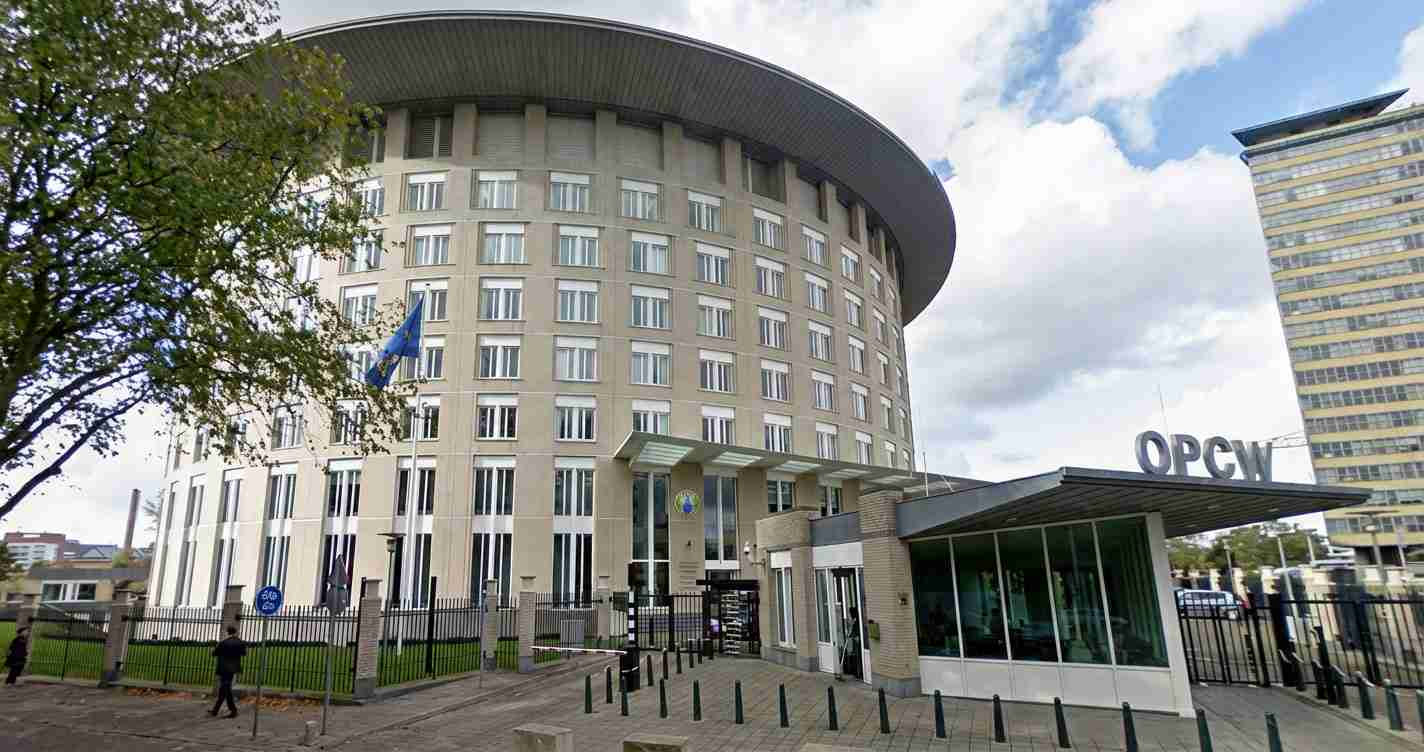
New FDD report alleges Iran used covert chemical agents on protesters, urges OPCW probe and possible strikes on production sites
A new FDD report accuses Iran of deploying covert chemical agents against protesters during nationwide unrest beginning December 2025, prompting calls for an OPCW-led investigation and potential strikes on suspected chemical research and production sites.
Key takeaways
- FDD allegesFDD report.
- Calls for action: FDD deputy director Andrea Stricker urges the U.S., allies and the OPCW to investigate, press for monitoring, and consider strikes on chemical research/production sites if necessary. Source: FDD policy piece.
- Legal stakes: Iran is a party to the Chemical Weapons Convention; any confirmed use would be a treaty violation and a breach of international law.
- Verification gap: Public reporting largely traces to FDD and open-source material; the OPCW has not publicly confirmed alleged use as of this publication.
Main reporting and analysis
FDD report: claims, evidence and recommendations
The Foundation for Defense of Democracies (FDD) published a February 2026 analysis arguing Iran may have maintained a covert chemical weapons program and used banned agents against protesters during unrest that began in December 2025. The analysis compiles eyewitness accounts, reported medical symptoms and open-source intelligence that the FDD says indicate government involvement. FDD warns the international community has “taken its eyes off” Iran’s chemical weapons program while attention focuses on nuclear issues. Source: FDD’s February 2026 analysis.
Andrea Stricker, deputy director of FDD’s nonproliferation program and author of the analysis, called for an immediate OPCW-led investigation. She recommended stepped-up monitoring and public pressure, and suggested that if the U.S. contemplates military action over nuclear concerns it should also consider targeting chemical research and production facilities. Source: Stricker / FDD and policy recommendations.
Alleged incidents during the 2025–26 unrest
FDD centers its reporting on January 2026 disturbances when protests escalated nationwide. Eyewitnesses cited in the report described protesters and bystanders collapsing after exposure to gases the FDD says went beyond standard riot-control agents, appearing more toxic than typical crowd-control chemicals. The report links those accounts to facilities and programs Iran is alleged to have operated since the 1980s. Sources include the FDD report and media summaries such as Fox News.
International reactions and calls for investigation
More than 30 human-rights groups have called for a U.N. probe into the January 2026 allegations, per FDD reporting. The European Parliament passed a resolution on January 22, 2026, condemning the crackdown and citing abuses that reportedly killed thousands. FDD and allied voices want the OPCW to verify, publicize violations and press Iran for answers. Source: FDD.
Legal framework: Chemical Weapons Convention
The Chemical Weapons Convention (CWC)—to which Iran is a signatory—prohibits development, production, stockpiling and use of chemical weapons. If the allegations are confirmed, the use of chemical agents against domestic protesters would constitute a clear violation of treaty obligations and international law. FDD urges the OPCW to pursue verification and public reporting. Sources: FDD; Fox News.
History: Iran’s chemical programs and past accusations
FDD traces Iranian chemical efforts back to the Iran–Iraq war in the 1980s, when Tehran sought capabilities after suffering Iraqi attacks. Recent U.S. assessments have flagged Iran for noncompliance with CWC obligations. In mid-2025, Israel struck the Shahid Meisami Research Complex, which Israeli officials linked to chemical and advanced-weapons research. Israel has also claimed Iran developed weaponized pharmaceutical agents and transferred capabilities to proxies in the region; FDD warns of potential transfers to groups in Syria and Iraq. Sources include Fox News, FDD and the National Interest.
Geopolitical context: nuclear tensions and military options
The FDD report arrives amid escalating tensions over Iran’s nuclear activities. The U.S. administration has warned it may take military action if diplomacy fails to curb nuclear advances; U.S. carrier strike groups, including the USS Gerald R. Ford, have boosted presence in the Gulf. Diplomats continue limited talks mediated by Oman in Geneva, while FDD stresses diplomacy must be prioritized to avoid wider conflict. Policy options proffered by FDD include public naming of violations by the OPCW, verification and monitoring, and contingency planning for strikes on chemical research and production facilities as a deterrent. Source: FDD policy analysis and media coverage such as Fox News.
Limits of independent verification
Most public reporting on the alleged January 2026 chemical attacks traces back to FDD analysis and cited open-source material. As of this article’s publication, the OPCW has not publicly confirmed the alleged use of chemical weapons. Independent forensic verification and an OPCW field investigation would be critical before governments undertake irreversible measures. Sources: FDD; Fox News; National Interest.
Implications for Redding, California
Economic impact: A conflict with Iran or strikes on chemical infrastructure could raise global oil prices and disrupt supply chains, potentially increasing fuel and heating costs for Redding households, squeezing farmers and trucking companies, and raising grocery prices.
Political consequences: The FDD report and any U.S. response are likely to be debated locally. Redding’s conservative-leaning voters may emphasize strong national defense; local officials and candidates could use the issue to advocate for tougher policy toward Iran.
Social effects: Redding hosts veterans, active-duty families and first responders. News of possible chemical-weapon use and talk of strikes can increase anxiety; local hospitals and emergency services should review hazardous-material response plans.
Cultural relevance: Allegations that Iran used chemical agents against its own citizens may galvanize local support for accountability and human-rights advocacy; faith groups and community organizations could organize vigils, briefings or advocacy drives.
Practical steps for Redding residents and institutions:
- Stay informed through reliable national and local outlets and verify claims via international bodies like the OPCW and authoritative analyses such as the FDD report.
- Local hospitals and first responders should review hazardous-material protocols and training for potential chemical exposure incidents.
- Businesses reliant on fuel or international shipping should prepare contingency plans for short-term cost spikes.
- Community leaders should prepare forums to discuss national policy, the safety of deployed service members, and humanitarian aid for affected civilians.
Sources and further reading
- Foundation for Defense of Democracies — Did Iran use chemical weapons on protesters? (February 13, 2026)
- FDD — Countering Iran’s covert chemical weapons program (February 13, 2026)
- Fox News — Iran’s ‘shadowy’ chemical weapons program draws scrutiny; reports allege use against protesters
- The National Interest — Did Iran use chemical weapons on protesters? (analysis drawing on FDD)
- FDD — Iran program resources
- FDD — Nonproliferation resources
Reporting by Times Media Service.



