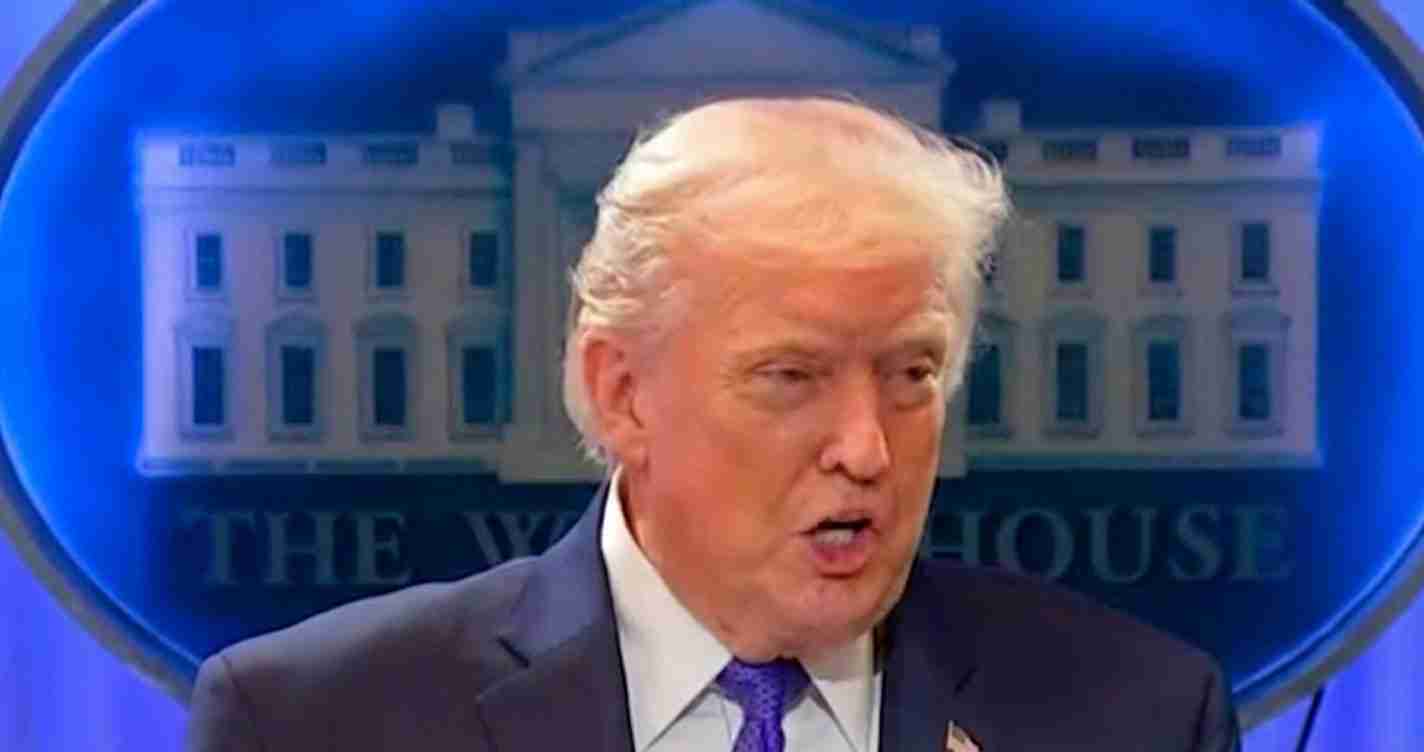
Trump Blasts High Court After Tariff Ruling, Vows New 10% Global Tariff; Calls Liberal Justices “Automatic No”
President Trump denounced the Supreme Court after a 6-3 ruling that struck down his global tariffs under IEEPA, calling liberal justices “automatic no” and pledging to pursue a new 10% global tariff through other legal avenues.
Key takeaways
- Supreme Court limits executive power: A 6-3 majority found the tariffs exceeded IEEPA authority, invoking the major questions doctrine. (Sources: Los Angeles Times, CBS News)
- Cross-aisle majority: Chief Justice Roberts plus Justices Gorsuch and Barrett joined Justices Sotomayor, Kagan and Jackson in the majority, signaling broad judicial concern about sweeping economic actions without clear congressional authorization. (Sources: Democracy Docket, CBS News)
- President vows countermeasures: Trump pledged to pursue a new 10% global tariff via “great alternatives,” claiming it could raise “hundreds of billions.” (Source: Los Angeles Times)
What the Court decided and why
Hours before the White House press conference, the Supreme Court ruled 6-3 that the president exceeded the authority Congress granted under the International Emergency Economic Powers Act (IEEPA) when he imposed broad global tariffs. The majority relied on the major questions doctrine, which requires clear congressional authorization for sweeping economic measures. (See: CBS News, Democracy Docket)
Coalition across ideological lines: Chief Justice John Roberts and conservative Justices Neil Gorsuch and Amy Coney Barrett joined liberal Justices Sonia Sotomayor, Elena Kagan and Ketanji Brown Jackson in the majority, applying standard statutory interpretation to conclude Congress had not granted authority for such sweeping action. (Sources: Los Angeles Times, CBS News)
Trump’s response at the White House
Angry reaction: At a February 20, 2026 White House press conference, President Trump denounced the majority, calling the three liberal justices “an automatic no” and labeling members of the majority — including his own appointees — “fools,” “lapdogs,” and an “embarrassment to their families.” He also suggested, without presenting evidence, that foreign interests and political ties influenced the decision. (Sources: Democracy Docket, CBS News)
“They’re an automatic no,” the president said, arguing they oppose measures he says would make America “strong, healthy and great again.”
Trump praised the dissent from Justices Clarence Thomas, Samuel Alito and Brett Kavanaugh, particularly highlighting Kavanaugh’s warning about practical consequences such as refund obligations. (Source: CBS News)
Legal questions and the major questions doctrine
Legal experts point to the major questions doctrine as central to the outcome: courts demand unmistakable congressional authorization when the executive asserts broad power on issues of vast economic and political significance. The majority concluded global emergency tariffs fall into that category. (Source: CBS News)
Brett Kavanaugh’s dissent argued that presidents historically used tariffs to regulate imports and warned the ruling could produce “messy practical fallout,” including potential refunds to businesses or consumers who paid the now-invalidated tariffs. (Sources: CBS News, Democracy Docket)
Trump’s plan: a new 10% global tariff and “alternatives”
Undeterred, Trump announced plans for a new 10% global tariff to be implemented through other legal avenues, promising “great alternatives” and repeating claims that tariffs could bring in “hundreds of billions” to the U.S. Treasury. (Source: Los Angeles Times)
Legal routes are limited: some emergency trade tools carry statutory time limits (for example, certain 150-day windows) and almost all options could face judicial scrutiny. Experts warn that attempts to circumvent the Court’s reasoning invite additional litigation and complicate trade relations. (See: The Nation, CBS News)
Implications for Redding, California
Economic impact
- Prices and supply chains: A new 10% global tariff could raise costs for imported goods sold in Redding — electronics, tools and everyday items — and risk trade retaliation that affects California exporters.
- Local jobs and manufacturing: Tariffs might boost demand for some domestic manufacturers in Shasta County, but higher input costs can squeeze retailers and small businesses reliant on imports.
Political consequences
- Local political tone: Conservative-leaning voters in Redding may be mobilized by the president’s critique of the Court and promises of strong trade action.
- County and state relations: If tariff revenue materializes, state and local projects could benefit; legal fights and refunds, however, create fiscal uncertainty.
Social effects
- Cost of living: Higher prices disproportionately affect lower- and fixed-income households; schools and nonprofits may face increased demand for services.
- Community sentiment: Public debates about the role of courts and balance of power may intensify in local forums, churches and media outlets.
Cultural relevance
Redding voters who emphasize national strength may welcome tougher trade stances, while others concerned about institutional norms may view attacks on the judiciary as troubling. Local leaders and civic groups could host discussions weighing patriotism, legal norms and economic trade-offs.
Practical applications for residents
- Small businesses: Review supply contracts, consider alternative suppliers, and adjust pricing plans if necessary.
- Farmers and exporters: Monitor trade policy closely — tariffs and retaliation can change market access and prices.
- Voters and civic groups: Engage with state lawmakers, attend town halls, and follow congressional committee hearings on trade and the judiciary.
Court challenges, refunds, and the road ahead
The legal and political battles are unlikely to end with the ruling. Any administration effort to impose a 10% tariff by alternate means could face fresh court challenges and Congressional resistance. Courts may be asked to order refunds of previously collected tariffs, a concern underscored in Kavanaugh’s dissent. These developments could unsettle markets, provoke trade partners and generate more litigation. (Sources: Los Angeles Times, CBS News, The Nation)