
Satellite images show Iran fortifying Isfahan and Natanz amid U.S. nuclear talks, opposition claims Tehran is “preparing for war”
New satellite imagery from January–February 2026 shows Iran actively repairing and fortifying nuclear and military sites at Isfahan, Natanz and elsewhere, with analysts saying buried tunnel entrances and concreting represent deliberate defensive hardening amid ongoing U.S. nuclear talks.
- Satellite imagery shows repair crews and earth-moving equipment at Isfahan, Natanz and sites struck in 2024–25.
- Analysts report tunnel entrances at Isfahan and Natanz were backfilled and camouflaged, complicating targeting and inspections.
- Experts call the measures “hardening,” while opposition figures say Iran is “preparing for war.”
- Developments occur amid U.S. nuclear talks and follow strikes including the June 22, 2025 “Midnight Hammer” operation.
What the images show
High-resolution satellite pictures taken in late January and updated through mid-February document active repair and fortification work at multiple sensitive sites. Analysts cite visible dump trucks, cement mixers and earth-moving equipment working at Isfahan and the Pickaxe Mountain area near Natanz. At Isfahan, two tunnel entrances were partially buried in late January and, by Feb. 9–10, all three known entrances in the area had been backfilled and were difficult to discern from above.
“Soil and concrete covers over tunnel entrances can protect underground facilities from airstrikes and complicate inspections,” analysts noted in reporting.
Imagery providers and analysts cited in reports include companies and groups that monitored movement of materials and equipment. Sites such as the Parchin military complex, struck in October 2024, show reconstruction, new earth and concrete barriers, and added roofs and shielding designed to reduce aerial visibility and blast damage.
Expert analysis and what it could mean
Institute for Science and International Security (ISIS) analysts and other observers describe the work as deliberate defensive hardening: adding soil, concrete and protective shields that can absorb blasts and help conceal underground activity. David Albright of ISIS told reporters the measures could make sites “unrecognizable” from above and harder to target or inspect.
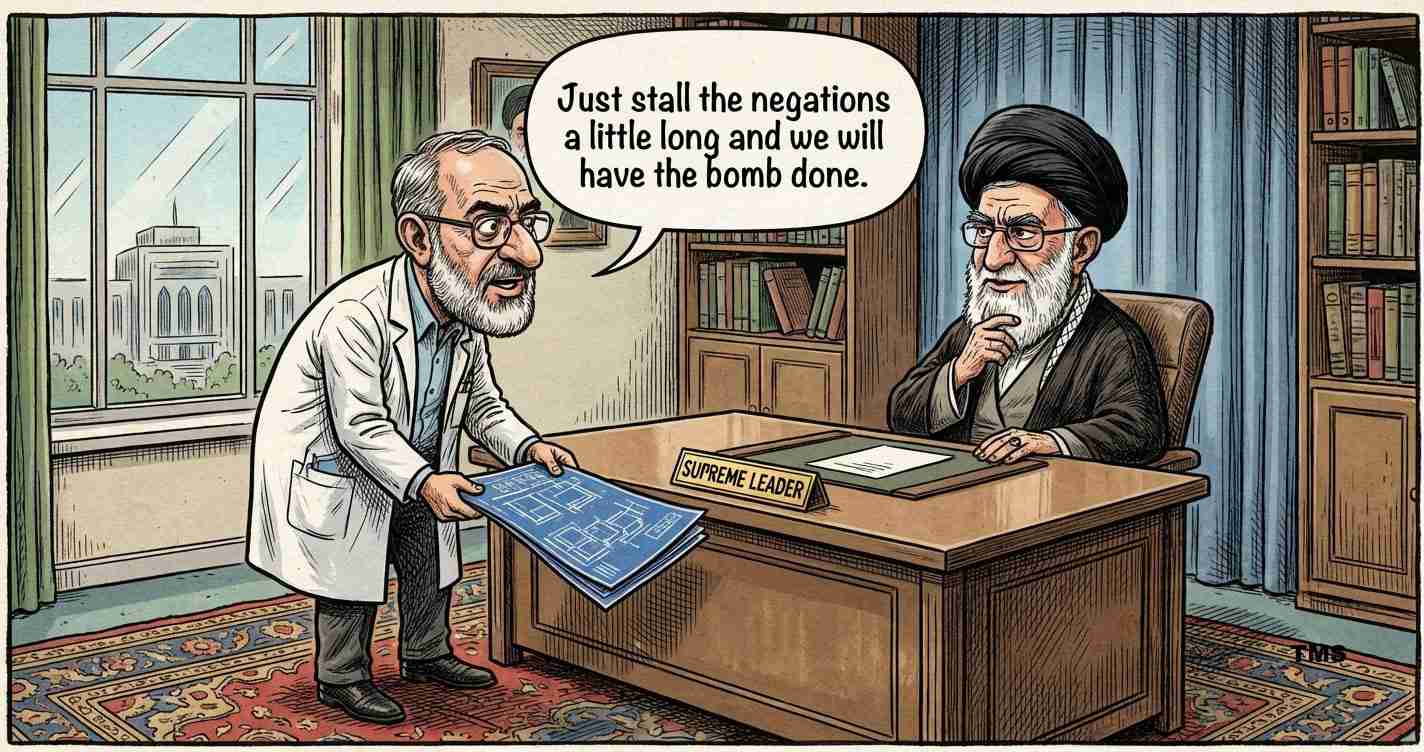
Other analysts, including William Goodhind of Contested Ground, note the covers are often matched to surrounding terrain to reduce detection risk. Some experts call these measures “stalling tactics” that preserve key capabilities while Iran pursues diplomacy with the United States.
Opposition claims: Alireza Jafarzadeh, deputy director of the National Council of Resistance of Iran, told Fox News Digital that Iran is rebuilding enrichment capabilities and is “preparing for war.” While imagery corroborates rebuilding and fortification activity, independent reporting does not verify every opposition assertion cited alongside the images.
U.S. talks, warnings and wider context
The reported rebuilding comes while the U.S. — under the Trump administration — engages Tehran in nuclear talks and publicly keeps military options on the table. Vice President J.D. Vance has described progress as partial and warned some Iranian actions fall short of U.S. “red lines,” according to media coverage. Analysts say the contrast between diplomacy and defensive construction complicates confidence-building measures.
Reported activity follows the June 22, 2025 U.S. operation known as “Midnight Hammer”, which struck Fordow, Natanz and Isfahan, and other strikes in late 2024 and 2025, including operations at Parchin. Observers say the combination of masked tunnel entrances, concrete shielding and reconstructed roofs increases the resilience of Iranian sites against future strikes.
Implications for Redding, California
Although geographically distant, the documented fortification of Iranian nuclear and military sites has several potential local effects relevant to residents of Redding and Shasta County:
- National security and military posture: Hardening of Iranian sites may sustain or increase U.S. defense funding and readiness demands — outcomes that resonate with conservative and veteran communities in Redding.
- Energy prices and local economy: Escalation risk in the Gulf can push global oil prices higher, raising commuting and heating costs for households and businesses.
- Political impact: The images and opposition claims can shape local political debate, prompting calls for firmer policy and enforcement of red lines in negotiations.
- Community preparedness and veterans’ issues: Local planners and veterans’ groups may emphasize readiness and support for military families as national attention centers on deterrence.
- Regional diplomatic concerns: Business and civic leaders dependent on steady markets will weigh de-escalation against calls for a strong stance toward adversaries.
Sources
Reporting and imagery referenced in this article include coverage and analysis from multiple outlets and providers:
- Times of Israel (live blog) and Times of Israel (feature)
- i24news
- Iran International
- YouTube visual briefing
- Imagery analysis and expert commentary referenced include the Institute for Science and International Security (ISIS) and independent analysts.
Additional reporting referenced opposition statements published to news outlets, and analysis by imagery experts from groups including the Institute for Science and International Security.



