
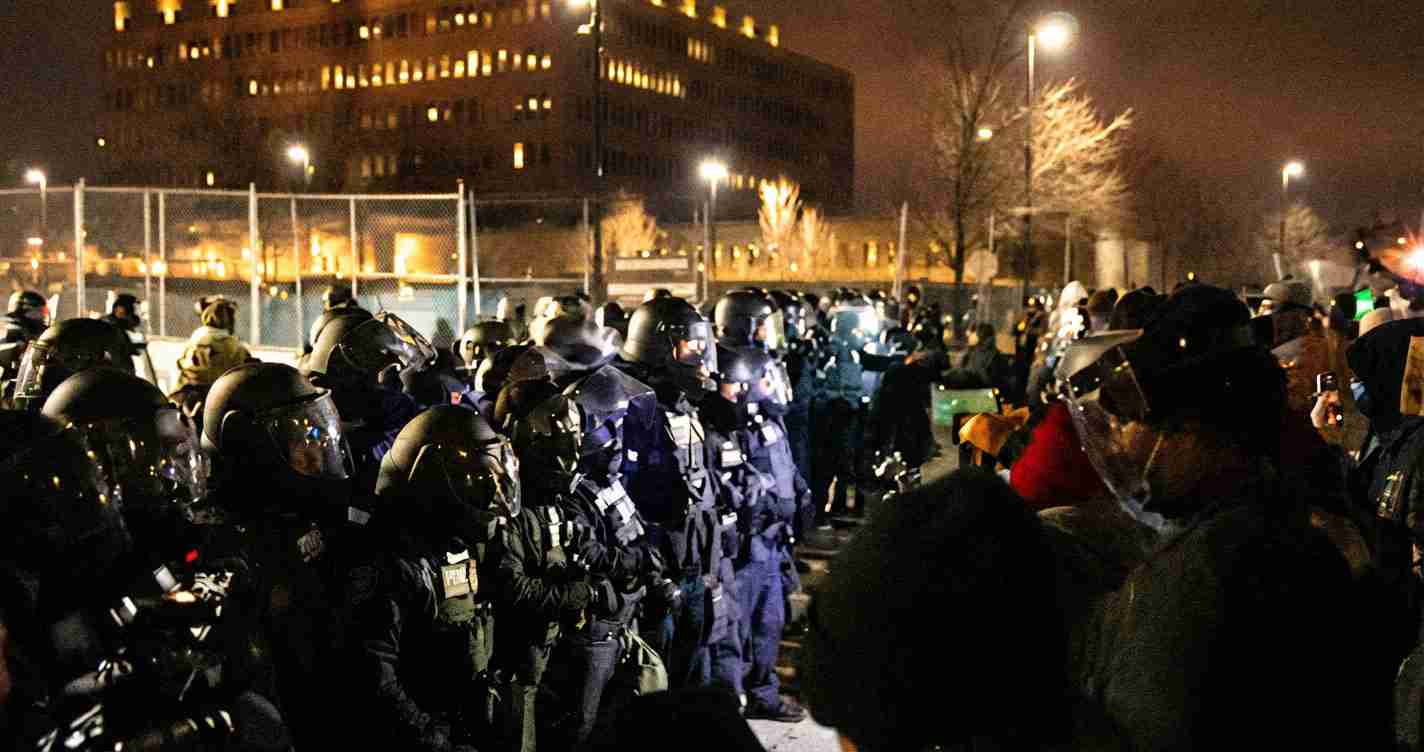
Federal Judge Bars ICE, Other Agents From Detaining or Tear-Gassing Peaceful Minneapolis Protesters During Operation Metro Surge
U.S. District Judge Kate Menendez on Jan. 16, 2026, issued a preliminary injunction barring ICE and other federal agents from arresting, detaining, or using tear gas and similar crowd-control measures against peaceful Minneapolis protesters during Operation Metro Surge.
Key takeaways
- Preliminary injunction: An 83‑page order limits federal agents’ ability to arrest, detain or use crowd-control munitions against peaceful observers unless officers have probable cause or reasonable suspicion. RNZ, CBS News
- Limited scope: The order applies only to the Twin Cities and current federal operations and remains in effect through the surge; broader statewide relief was not granted. Politico
- Legal basis: The injunction stems from a Dec. 17, 2025 lawsuit alleging violations of the First and Fourth Amendments during immigration enforcement. CBS News
- Possible appeal: The government may seek appellate review; the injunction does not halt the overall operation. WABE
What the injunction says, in plain terms
Judge Menendez’s order draws a clear line between peaceful observers and people who pose a real threat or actively obstruct officers. The injunction expressly prohibits federal agents from:
- Arresting or detaining people who are peacefully protesting, observing, or recording ICE activity unless officers have probable cause or reasonable suspicion of criminal activity or interference. RNZ
- Using crowd-control munitions — including tear gas, pepper spray and pepper balls — against peaceful demonstrators and bystanders. CBS News
- Stopping vehicles without reasonable articulable suspicion of forcible obstruction — a point Menendez emphasized due to frequent mobile protests in the Twin Cities. RNZ
Background: Operation Metro Surge and the spike in tensions
Operation Metro Surge is the largest immigration enforcement deployment of its kind, sending nearly 3,000 ICE and Border Patrol personnel to Minneapolis to pursue alleged immigration violations and fraud, including within the Somali community. The surge began in early January 2026 under the Trump administration and has drawn sustained public attention. Politico
Tensions escalated after an ICE agent fatally shot 37‑year‑old Renee Good on Jan. 7, 2026. Good was reportedly part of a neighborhood patrol monitoring ICE activity; federal officials described the encounter as threatening, while city leaders and activists dispute that account and point to video suggesting she posed no threat. Those conflicting narratives intensified calls for federal withdrawal and prompted the litigation that produced the injunction. RNZ, CBS News
Why plaintiffs say this was needed
The six plaintiffs — protesters and observers — told the court they were peacefully documenting ICE operations when they were detained, pepper‑sprayed, had guns pointed at them, or were followed home. Judge Menendez described some reported conduct as “disturbing” and found the plaintiffs likely to succeed on First and Fourth Amendment claims, supporting preliminary relief. CBS News
Government response and legal next steps
Department of Homeland Security officials defended their officers, saying agents face assaults, vandalism and threats and assert they used the “minimum force necessary.” DHS has signaled it may appeal the injunction, arguing some force was required to counter violent or obstructive behavior. Politico, CBS News
The limited scope of the injunction
Menendez declined to halt Operation Metro Surge entirely. The order is confined to the Twin Cities and to the federal operations already underway; broader requests to stop the immigration crackdown statewide were denied. Practically, that keeps federal enforcement powers largely intact outside the immediate constraints imposed by the injunction and preserves the government’s right to seek appellate review. WABE, Politico
Investigative questions the ruling raises
- How will agents adjust tactics to comply with the injunction while still protecting officers and carrying out lawful arrests? CBS News
- Will the government appeal and will an appellate court broaden or narrow Menendez’s limits? Politico
- How will local law enforcement coordinate with federal partners to follow the court’s limits while maintaining public safety? RNZ
Implications for Redding, California
Economic impact
Local budgets could face pressure if federal constraints lead to increased reliance on state and local resources for monitoring or crowd‑control training. Redding’s law enforcement budget may be asked to cover coordination or training costs if federal partners change tactics. Politico
High-profile clashes can shape public perceptions of safety. Although the ruling centers on Minneapolis, national headlines about protests and federal operations can influence travelers’ and businesses’ views of safety in other cities, including Redding. CBS News
Political consequences
Local leaders in Redding may face questions about cooperation with federal immigration enforcement versus protecting residents’ rights to observe or protest. For some voters, the ruling amplifies debates about balancing law enforcement effectiveness with civil liberties. RNZ
Social effects
Redding’s diverse communities, including immigrant residents, may experience heightened concerns. The Menendez order could spur local organizing, demands for clearer protections, and calls for officials to meet with community groups to reduce fear and avoid escalation. CBS News
Practical applications for residents
- Know your rights: Observing or recording law enforcement is protected by the First and Fourth Amendments, but interfering with active law enforcement can be criminal. Seek local guidance.
- Expect coordination and training: Local police may adjust crowd-control policies and training in response to federal changes; watch for public notices. Politico
- Report concerns: Document incidents and contact elected officials or legal aid groups if you believe rights were violated; courts can limit federal action when rights are at stake. CBS News
Sources and further reading
- RNZ: U.S. judge orders federal agents to stop arresting, teargassing lawful Minnesota protesters
- CBS News: Judge rules federal agents can’t arrest or use pepper spray on peaceful protesters in Minneapolis
- Politico: ICE’s Minneapolis operation and protests
- WABE: No immediate judicial decision on request to stop the immigration crackdown
“The injunction places constitutional protections at the forefront: peaceful observation and documentation cannot be chilled by indiscriminate detentions or use of crowd-control munitions,” — court summary of preliminary findings.


