
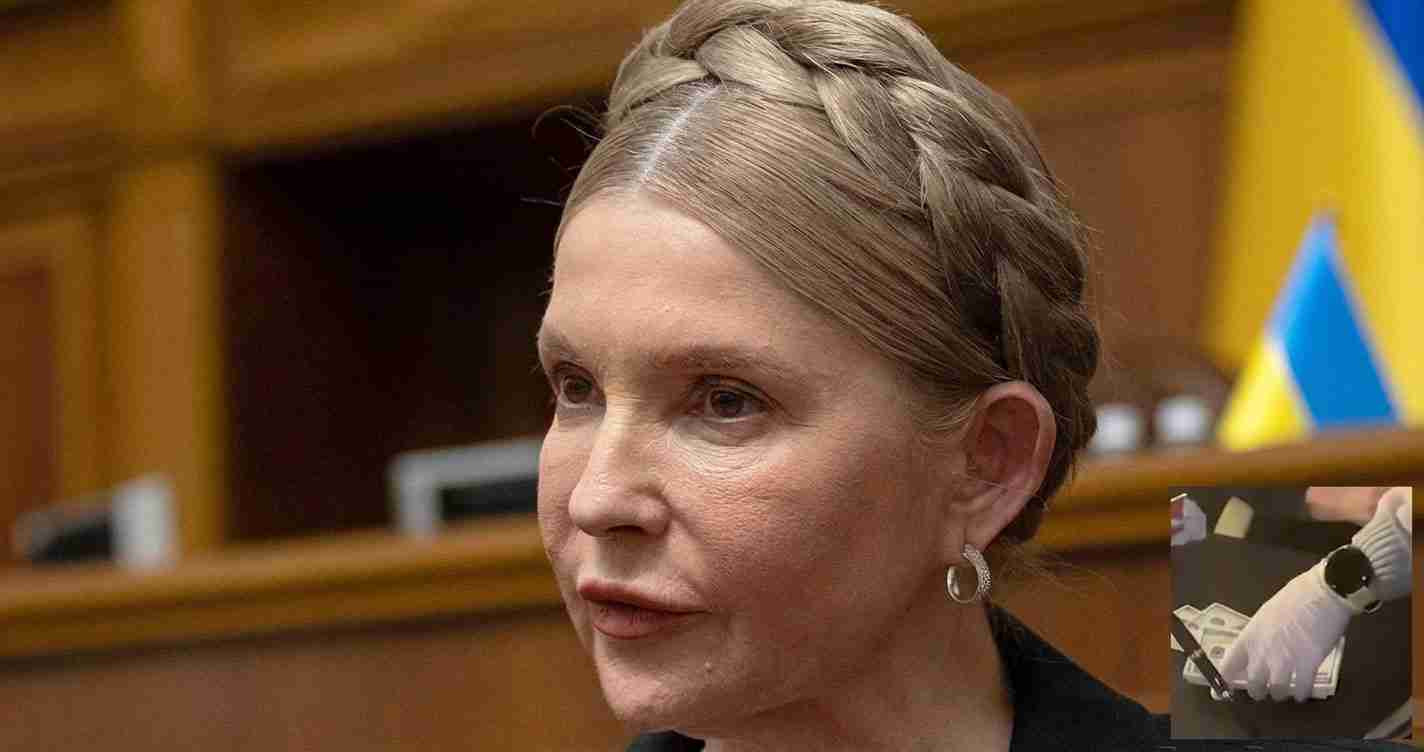
Tymoshenko Charged in Alleged $10,000-a-Month Vote-Buying Plot After Overnight Batkivshchyna Party Raid
Yulia Tymoshenko was formally charged on Jan. 14, 2026, with bribery after investigators say she offered MPs monthly $10,000 payments to weaken President Volodymyr Zelenskyy’s government, following an overnight raid on Batkivshchyna’s Kyiv offices, sparking shock across Ukrainian politics.
Key takeaways
- Charges filed: SAPO issued a notice of suspicion Jan. 14, 2026, accusing Tymoshenko of arranging monthly $10,000 payments to MPs; conviction could carry up to 10 years in prison (sources: Jurist, Kyiv Independent, Meduza).
- Evidence shown: NABU released wiretaps and video from a near-overnight search that investigators say show cash and communications tied to a vote-buying scheme (sources: Jurist, Fox News).
- Political dispute: Tymoshenko calls the probe “absurd” and “politically motivated,” while analysts debate whether the raid served law enforcement or political messaging (sources: Kyiv Independent, Meduza).
- Local interest: The case could affect U.S. congressional oversight of aid and interest among communities in Redding, California, that follow Ukraine closely.
Main coverage
What investigators say
The National Anti-Corruption Bureau of Ukraine (NABU) and the Specialized Anti-Corruption Prosecutor’s Office (SAPO) describe a structured, long-term vote-buying mechanism allegedly run through intermediaries and encrypted messaging. Investigators released audio they say captures negotiations about paying MPs “10” — interpreted by authorities as $10,000 — for votes across parliamentary sessions. Video from the Jan. 13 search reportedly shows stacks of U.S. dollars and a blurred person near a desk; authorities contend the recordings and wiretaps link payments to Tymoshenko and associates (sources: Jurist, Kyiv Independent, Fox News).
“Investigators describe initial contact by three MPs, cash funneled via intermediaries and instructions sent over Signal,” NABU said in material released alongside the raid footage.
Tymoshenko’s response and political background
Denial: Tymoshenko has vehemently denied the allegations, calling them “absurd,” “primitive” and politically motivated. She contends the searches were illegal and characterized the case as an attempt to marginalize rivals under martial law. After the notice of suspicion she addressed parliament, labeling the probe “political persecution.” (sources: Jurist, NV (English)).
Background: Tymoshenko, a veteran politician and former prime minister (2005; 2007–2010), was jailed in 2011 in a case widely regarded as politically charged and released in 2014. Her Batkivshchyna party holds about 25 parliamentary seats. In 2025 she backed a controversial bill to dismantle some anti-corruption agencies — a move later reversed — and has been linked to behind-the-scenes contacts with foreign officials (sources: Kyiv Independent, Meduza).
Timing and wider context
The charges follow a Dec. 27, 2025, NABU exposure of a cash-for-votes group that included lawmakers from President Zelenskyy’s Servant of the People party. Investigators say the Tymoshenko matter ties into broader attempts to influence parliamentary votes amid political realignment after an Energoatom scandal in fall 2025 that implicated pro-government figures. Critics and some media analysts argue the high-profile raid and publicity may have been timed for political effect (sources: Kyiv Independent, Meduza).
Court proceedings and possible penalties
Tymoshenko appeared before Ukraine’s High Anti-Corruption Court after SAPO filed bribery charges. Prosecutors sought UAH 50 million (about $1.3 million) bail and requested restrictions on movement and political activity. If convicted of the bribery charge under Ukrainian law, she faces up to 10 years in prison (sources: Jurist, NV (English)).
Questions, skepticism and the role of evidence
Independent commentators note that while wiretaps and video are striking, they do not substitute for a court verdict. The case’s outcome will hinge on whether prosecutors can establish a direct link between Tymoshenko and payments and whether intermediaries corroborate the agencies’ account. Observers urge transparent proceedings to avoid the appearance of selective justice, even as others stress robust anti-corruption action is vital during wartime (sources: Meduza, Kyiv Independent).
Implications for Redding, California
Economic and aid considerations: Local readers monitor Ukraine because U.S. assistance and sanctions affect energy and defense markets. Continued high-level corruption allegations could prompt tighter congressional oversight, potentially influencing defense suppliers and regional economies that depend on federal defense spending.
Political consequences: For conservative audiences focused on rule of law, the case raises questions about even enforcement of anti-corruption laws and potential targeting of political rivals. Washington lawmakers tracking aid conditions may watch Kyiv’s handling closely.
Community impact & practical steps: Veterans, immigrant groups and civic organizations in Redding may increase scrutiny of Ukraine coverage. Voters and civic leaders can use this development to press federal representatives on oversight of foreign assistance and demand transparency from Ukrainian institutions.
Source links for reference
- Jurist: Former Ukraine prime minister charged with bribery
- Kyiv Independent: Ukraine’s anti-corruption watchdogs expose bribery scheme in parliament
- Fox News: Former Ukrainian PM accused of bribing politicians with U.S. dollars to weaken Zelenskyy’s government
- Meduza: A grand PR move
- NV (English): Tymoshenko appears in court as prosecutors seek bail in corruption case
Reporting compiled from Times Media Service staff and the sources listed above.



