
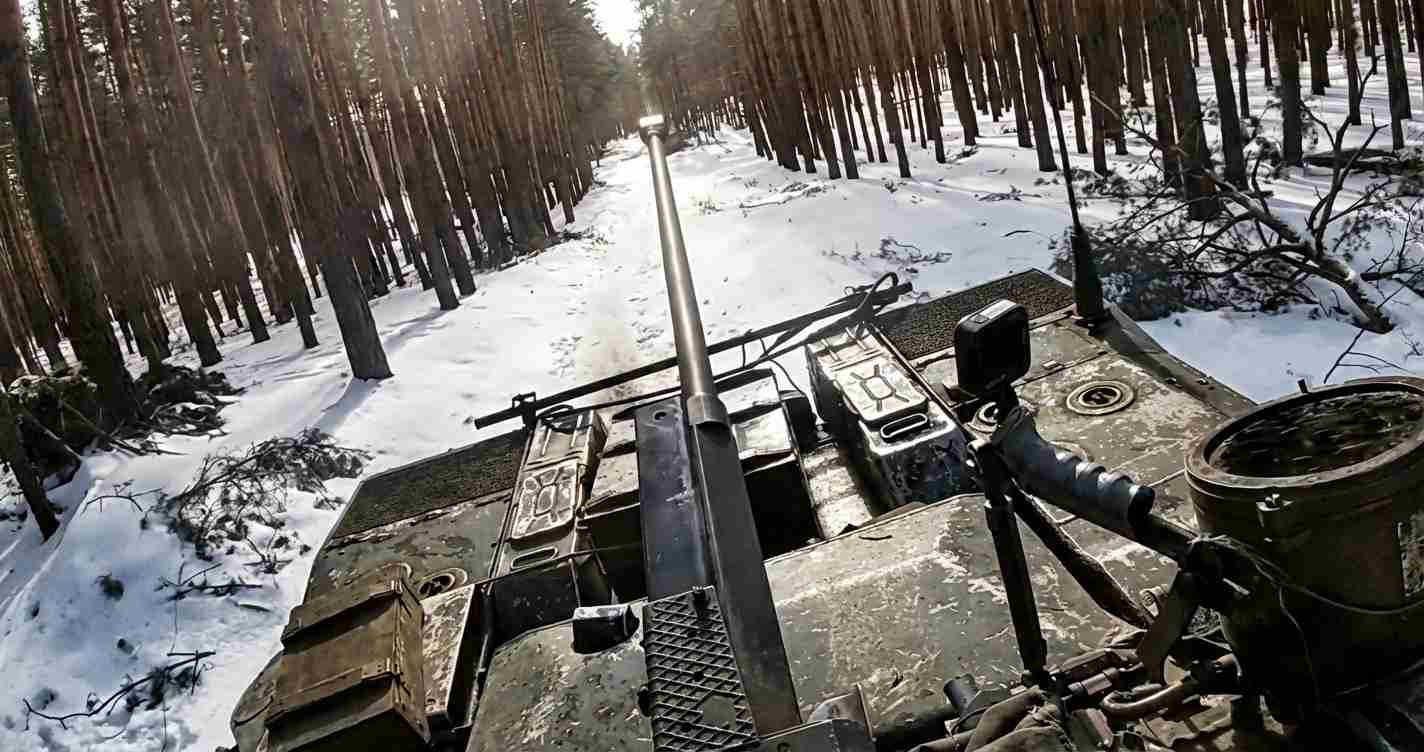
NATO’s Rutte: “Russia losing 20,000–25,000 troops monthly” as Ukraine war grinds into fourth year
NATO Secretary General Mark Rutte warned on January 13, 2026, that Russia is suffering catastrophic battlefield losses in Ukraine — an estimated 20,000–25,000 troops killed per month — as the war grinds into its fourth year amid stalled diplomacy.
- Rutte’s estimate: Russia losing 20,000–25,000 troops per month killed, Jan. 13, 2026.
- Broader estimates: Western tallies vary widely, with cumulative Russian battlefield casualties reported into the high hundreds of thousands to more than 1 million depending on source.
- Battlefield changes: Drones and missiles now shape casualty patterns and medical evacuation limits.
- Local impact: Sustained NATO support and federal spending decisions may affect places like Redding, California.
Rutte’s warning: scale and comparison
At the Renew Europe Global Europe Forum in Brussels, Mark Rutte described Russian losses as “massive” and unsustainable. He said current monthly fatalities outpace many Cold War-era conflicts and compared them to Soviet losses in Afghanistan, noting that modern monthly figures exceed the roughly 20,000 deaths spread over a decade in that earlier war.
Relying on public and intelligence estimates
Rutte’s figures align with a range of Western assessments. NATO transcripts and analysts have cited cumulative totals that vary by definition and method. For more context see the NATO transcript and reporting by Business Insider.
CSIS study and measured gains
A June study highlighted by commentators found Russia suffered very large casualties — roughly hundreds of thousands — while gaining only limited territory (on the order of a few thousand square kilometers). Analysts use such findings to argue Russia’s human cost has not translated into proportionate strategic gains.
Battlefield dynamics: drones, missiles and limited gains
Ground fighting has remained intense. Analysts estimate Russian territorial gains in 2024 at roughly 4,000–5,000 square kilometers; Moscow still holds about one-fifth of Ukraine. Drones, loitering munitions and missile strikes now account for a large share of battlefield kills and have expanded “kill zones,” undermining the medical “golden hour.” Reports indicate tens of thousands of missiles and drones used in 2025 alone.
Manpower and Moscow’s response
Moscow has not published full casualty tallies. To sustain forces, Russia has pursued recruitment drives (estimated 30,000–36,000 recruits per month), financial incentives for volunteers, overseas recruitment, mobilization of reserves and use of proxy or private forces. Experts say these measures may fill short-term gaps but struggle to offset ongoing attrition without broader mobilization and political costs.
Ukrainian costs and the human toll
Ukraine has also suffered heavy losses; some estimates place Ukrainian casualties in the hundreds of thousands. NATO officials nevertheless credit robust Ukrainian resistance and Western support for slowing larger Russian advances, even as front lines and positions shift gradually.
Diplomacy, peace talks and Moscow’s stance
Despite battlefield setbacks, Russian leadership indicates willingness to pursue objectives by force or diplomacy. Diplomatic efforts in Washington and Europe continue, but no verified peace agreement details have emerged publicly. Kyiv has endured repeated missile and drone strikes even as talks persist; see reporting from WQTY Radio.
Why counts differ and what “casualty” means
Casualty tallies diverge because organizations define and collect data differently: some report only the killed, others include wounded, missing or captured. Rutte’s 20,000–25,000 figure was described as those killed per month and did not include the seriously wounded — a narrower but still stark metric.
NATO’s strategic concern
Rutte warned that, despite heavy losses, Russia remains NATO’s primary long-term threat due to its industrial capacity and weapons production. He urged sustained Western vigilance, continued support for Ukraine, and simultaneous diplomatic engagement where possible — a point summarized in the NATO transcript.
Implications for Redding, California
Economic impact: Redding’s economy has ties to national defense spending and supply chains; prolonged conflict and NATO aid could sustain or increase defense budgets, affecting local contractors and procurement.
Political consequences: The war underscores national security priorities for many conservative voters in Redding and could shape local discussions on federal aid, troop commitments and transparency.
Social effects: Military families, veterans’ groups and local clinics may see increased demand for support and mental health services as reports of heavy casualties persist.
Practical applications: Residents and community groups should monitor federal budget debates, prepare veterans’ services for inquiries, and rely on vetted briefings to separate verified facts from rumor.
Sources and further reading
- Fox News: “Russia losing massive 25,000 troops monthly in Ukraine as war grinds on, NATO chief Mark Rutte says”
- Business Insider: “Massive Russian losses in Ukraine are pushing it to a breaking point, NATO says”
- WQTY Radio: coverage of Rutte’s remarks
- NATO transcript: Rutte keynote and remarks, Dec. 2025
- Council on Foreign Relations: Ukraine conflict tracker
- Additional reporting and analysis
Reporting note
Readers should rely on official NATO and U.S. briefings and verified reporting. The figures cited by Secretary General Rutte reflect one assessment among several; counts depend on definitions (killed, wounded, missing or captured) and vary across intelligence, open-source monitoring and national tallies.
“These numbers are described as those killed per month and do not include the seriously wounded,” — a distinction that still implies extraordinarily heavy losses.



