
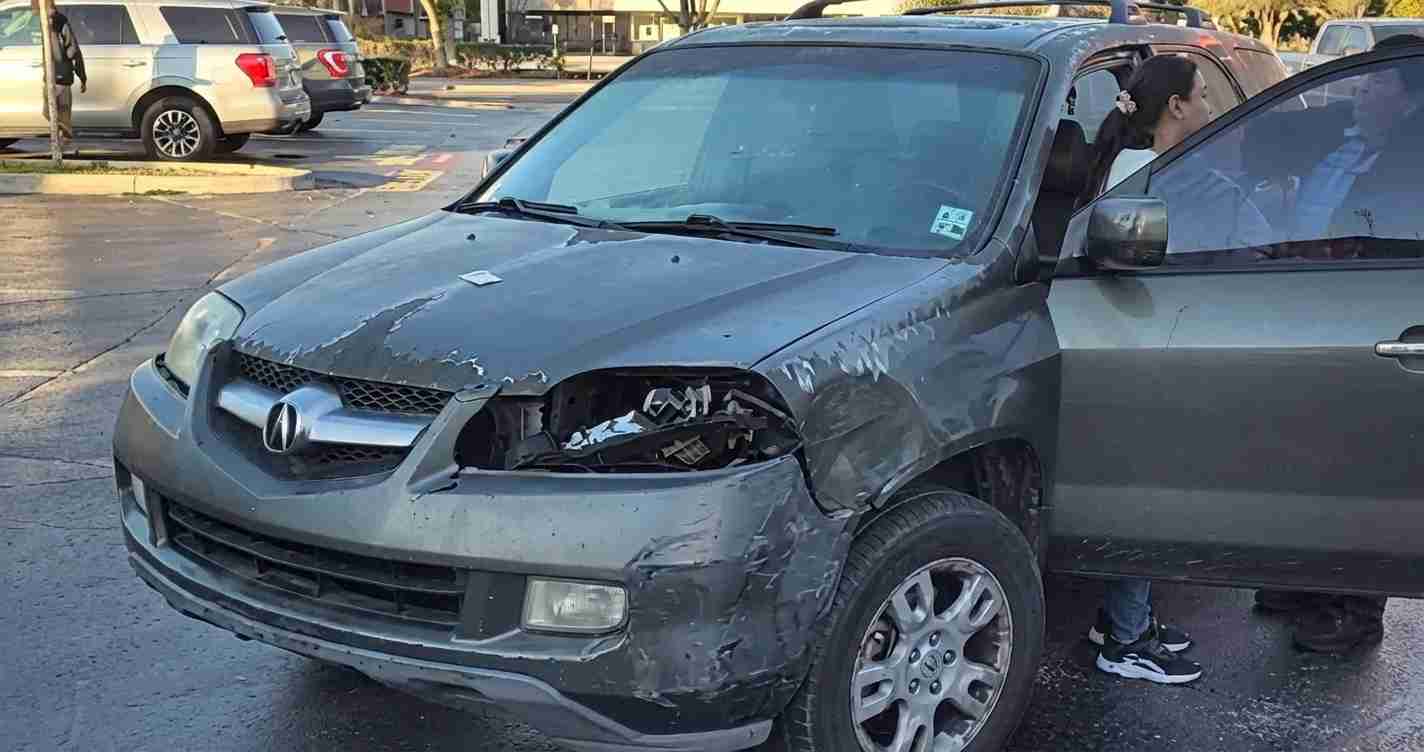
Slidell ICE vehicle crash claim unverified as officials find no public record of “Operation Catahoula Crunch”
A viral claim that a Honduran woman ran a red light in Slidell, struck an ICE vehicle during “Operation Catahoula Crunch,” and was recalled by Border Patrol Commander Greg Bovino has no corroborating public records or major media confirmation.
- No authoritative public record ties the specific crash, the operation name “Operation Catahoula Crunch,” and a quote from Greg Bovino together in available federal, local, or mainstream reporting.
- Elements of the story are plausible — federal operations, crashes, and arrests occur in Louisiana — but the composite narrative lacks documentation.
- Verification steps exist: check local crash reports, contact federal public affairs, or file FOIA requests to confirm a formally named operation or internal memos.
What we can verify
Federal agencies routinely carry out enforcement activity in Louisiana and sometimes collaborate with local law enforcement. Public resources for confirmations include the CBP newsroom and the ICE newsroom. Local agencies publish incident logs and press releases — see the Slidell Police Department and the St. Tammany Parish Sheriff’s Office.
Confirmed facts:
- CBP and ICE publicly release information about operations on their news pages and may be contacted via media offices for confirmation.
- Local police departments in St. Tammany Parish publish crash reports and blotter items that sometimes note federal involvement.
- Minor vehicle incidents involving law enforcement vehicles can result in custody for traffic offenses or other outstanding matters and may appear only in local coverage.
“Check local records and federal public affairs for the most reliable confirmation.”
What could not be confirmed
Searches of federal press releases, major local outlets, and Slidell/St. Tammany incident logs produced no public, verifiable record explicitly documenting a crash in Slidell where a Honduran woman ran a red light and struck an ICE vehicle during an operation named “Operation Catahoula Crunch.” DHS, CBP and ICE materials contain no reference to that exact operation name; see DHS news for agency releases.
The claim that Border Patrol Commander Greg Bovino offered a first-person recall of this crash is not corroborated by any transcript, press statement, or published interview in the publicly archived record.
Who is Greg Bovino?
Public records identify Gregory K. Bovino as a U.S. Border Patrol official who has served as a chief patrol agent and appeared in sector-level press matters. That background makes him a plausible source for border-related statements, but does not confirm he made the specific remarks attributed to him in the viral account. For CBP-related press context, see the CBP newsroom.
Why the name “Operation Catahoula Crunch” raises questions
Operation names often reference local geography or use informal task‑force jargon. “Catahoula” (a regional name in Louisiana) could plausibly appear in an operation title, and “Crunch” could be informal shorthand. Nonetheless, no official DHS, CBP, ICE release or mainstream reporting found the phrase “Operation Catahoula Crunch.”
The absence of public documentation allows for several possibilities:
- The operation name might be internal or informal and not publicized.
- Reporting could have conflated multiple incidents into one narrative.
- The claim might be inaccurate or fabricated.
How this account could be verified
Recommended verification steps:
- Request local records: obtain the traffic crash report from the Slidell Police Department or the St. Tammany Parish Sheriff’s Office.
- Contact federal public affairs: reach out to the CBP newsroom and the ICE newsroom for confirmation about any formal operation name or vehicle involvement.
- File FOIA: for internal memos or formal naming, submit a FOIA request via DHS FOIA guidance.
Why this matters to readers
Accurate reporting on federal operations affects public trust and community safety. Unverified claims can inflame tensions and erode confidence in law enforcement coordination. Confirming whether a federal vehicle was involved matters for operational readiness, civilian safety, and transparency.
Implications for Redding, California
Though a verified crash in Louisiana would not directly impact Redding’s economy, national conversation about federal enforcement resource allocation may influence local political and budget priorities. Conservative readers in Redding often emphasize law-and-order approaches and demand clear, documented reporting before policy or fiscal responses.
Practical takeaways for Redding leaders include pressing for timely public information, requesting briefings when federal operations occur locally, and relying on official records rather than viral posts when assessing community safety risks.
Practical applications for residents
- Ask local agencies for crash reports and official statements when federal vehicles or multiagency operations are mentioned.
- Contact federal public affairs offices for confirmation instead of relying solely on social posts.
- Consider filing FOIA requests if formal documentation or internal naming conventions are necessary to verify a claim.
Sources and where to look next
Primary public sources referenced:
- CBP newsroom
- ICE newsroom
- DHS news and DHS FOIA guidance
- Slidell Police Department
- St. Tammany Parish Sheriff’s Office
- New Orleans market media: WWL, WDSU, NOLA.com
If you have the original social post, quote, or outlet that first reported the claim, provide that source and this office will cross-check it, request records from local agencies and federal public affairs, and pursue FOIA confirmation if needed.


