
Senate Sends $901B National Defense Authorization Act to White House; Trump Widely Expected to Sign Despite Ukraine Aid Provisions
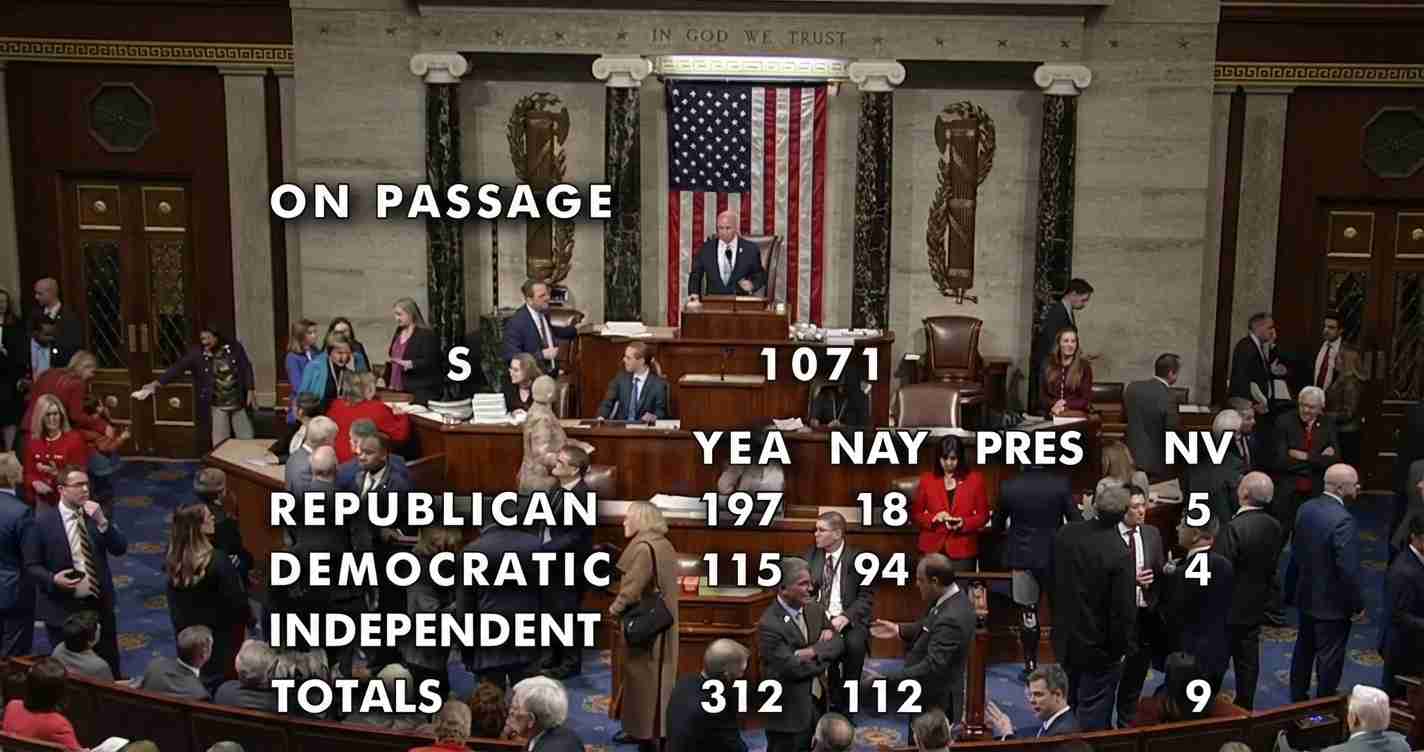
The Senate approved the fiscal 2026 National Defense Authorization Act on a bipartisan 77–20 vote, sending a nearly $901 billion defense bill to President Trump, who is widely expected to sign despite contentious Ukraine and transparency provisions.
- Bipartisan passage: The Senate approved the fiscal 2026 NDAA 77–20 and sent it to the White House; reporting from Breaking Defense covers the vote and bill details.
- Record topline: The measure authorizes roughly $900.6–$901 billion for defense and related programs — about $8 billion more than the White House requested (see Breaking Defense and Politico).
- Presidential signature expected: As of reporting, President Trump has not publicly signed the enrolled bill but is broadly expected to do so (reported by Breaking Defense, Politico, and The Jerusalem Post).
What the bill aims to do
The fiscal 2026 NDAA is a broad authorization setting policy and spending authorities across the Department of Defense. Media coverage and committee summaries emphasize several core themes:
- Record topline: The bill authorizes roughly $901 billion for defense and national security, a figure above the White House request and reflecting strong bipartisan support.
- Acquisition and technology reforms: Reporters describe sweeping changes to Pentagon acquisition rules intended to speed procurement and better leverage private-sector innovation (Breaking Defense; Politico).
- Troop pay and benefits: Coverage cites a meaningful across-the-board pay raise for service members — reporting links the cycle to a nearly 4% increase, though the exact statutory percentage must be verified in the enrolled text or official fact sheets.
- Support for Ukraine and allies: The package continues authorities and funding tied to Ukraine and NATO’s eastern flank, including training, equipment and deterrence measures; detailed line-by-line dollar breakdowns are not fully public yet (The Jerusalem Post; Breaking Defense).
- Conservative policy priorities and cultural items: The text reportedly codifies several Trump administration orders and rolls back certain Pentagon diversity, equity and inclusion initiatives — a key Republican objective (Politico).
- Transparency and oversight: Lawmakers added measures to compel public release of some operational material — notably videos related to Navy boat strikes in the Red Sea — a provision the White House opposed, highlighting congressional oversight priorities (Politico).
What is solidly reported — and what is not
Solidly reported: Multiple outlets consistently report a bipartisan Senate vote, a near‑$901 billion authorization, major acquisition reform, troop pay increases, and continued support for Ukraine and eastern allies. Sources agree the President is expected to sign but has not done so publicly.
Not yet fully documented: Reporters note several open details that require the enrolled bill or committee section‑by‑section to confirm:
- Exact statutory language specifying the troop pay percentage — media cite a sizable raise but recommend verification in the enrolled text.
- Line‑by‑line dollar amounts for Ukraine and Baltic assistance are not fully summarized in public reporting.
- No clear, line‑by‑line statutory caps on U.S. force levels in Europe have been documented in press accounts; definitive language would require the final text.
Trump’s posture and the politics of the signature
Senate Armed Services Committee Republicans called the legislation a “monumental achievement” and expressed confidence the President will sign. At the same time, the NDAA includes provisions on Ukraine aid and transparency that reportedly clash with White House preferences; press accounts nonetheless say the President is expected to sign.
“We expect the President will enthusiastically sign this bill,” Senate Armed Services Committee Republicans said, praising the topline and reforms.
How to confirm the final details
For authoritative detail, consult the official enrolled NDAA text and section‑by‑section committee summaries, as well as White House and Pentagon fact sheets following a signature or veto. These documents will specify the troop pay percentage, precise Ukraine and Baltic funding lines, and any language on force posture.
Implications for Redding, California
Economic impact: Local contractors and workers in the Redding area could see indirect gains if increased defense procurement leads to more contracts for California firms. Higher troop pay and benefits can boost spending power for military families in Shasta County.
Jobs and National Guard communities: Funding for training, readiness or equipment could benefit National Guard units that serve Californians, improving resources and reducing readiness gaps.
Political consequences: For conservative voters in Redding, the topline, acquisition reform and rollbacks of some Pentagon DEI initiatives may be framed as a policy win accompanying bipartisan support and an expected presidential signature.
Veterans and families: The reported pay raise and benefits adjustments could increase household stability for military families and reduce pressure on local veterans services.
Foreign policy and local security perceptions: Language that might limit long-term overseas commitments could resonate with voters favoring restrained deployment, while continued support for Ukraine and the Baltics maintains deterrence priorities.
Where residents can follow up
Local officials, veterans groups and contractors should monitor the enrolled bill text and official Pentagon and White House releases for precise figures and statutory language. Those documents will clarify how much of the $901 billion goes to pay raises, Ukraine and allied assistance, and any force posture constraints.
Sources and further reading
- Breaking Defense: Senate passes $901B defense authorization bill with major acquisition reform push
- Politico: Coverage of NDAA passage, oversight and acquisition reforms
- The Jerusalem Post: Reporting on expected presidential signing and Ukraine provisions



