
Trump administration labels Cartel de los Soles an FTO; questions remain about tanker blockade claims
The U.S. State Department designated the Cartel de los Soles as a Foreign Terrorist Organization on Nov. 24, 2025, expanding legal tools against Venezuela-linked narco-networks, while claims of a tanker blockade and stolen U.S. oil fields remain unverified.
- FTO designation: The Cartel de los Soles was designated a Foreign Terrorist Organization effective Nov. 24, 2025, in a State Department action.
- Legal tools: The move enables asset freezes, sanctions and criminal penalties tied to drug trafficking and related illicit finance.
- Unverified claims: Reports of a total tanker blockade and use of “stolen U.S. oil fields” to fund terrorism are not corroborated in public records.
- Local impact: Redding residents could see indirect effects on fuel prices, freight costs and local political debate.
Background: what was announced
On Nov. 24, 2025, the State Department publicly identified the Cartel de los Soles as an FTO. The designation expands the government’s legal tools against networks it says traffic drugs and move money to criminal or terrorist ends. See the Terrorist Designations of Cartel de los Soles for the official notice and legal rationale.
Administration officials say the label allows broader abilities to freeze assets, sanction individuals and entities, and pursue criminal prosecutions tied to international drug trafficking and organized crime. Conservative commentators frame the action as part of a law-and-order foreign policy to cut off funds to Maduro-linked narco-networks.
What the designation means in practice
An FTO designation carries several consequences: asset freezes, travel restrictions and criminal penalties for material support. The label also signals that the U.S. treats the group as a security threat, not merely a criminal enterprise.
Supporters of the move argue it gives the administration “new options.” Commentary supporting this framing is available in the Hegseth commentary, while the State Department release outlines ties to drug trafficking and other illicit activity in detail.
Unverified claims: tanker blockade and “stolen U.S. oil fields”
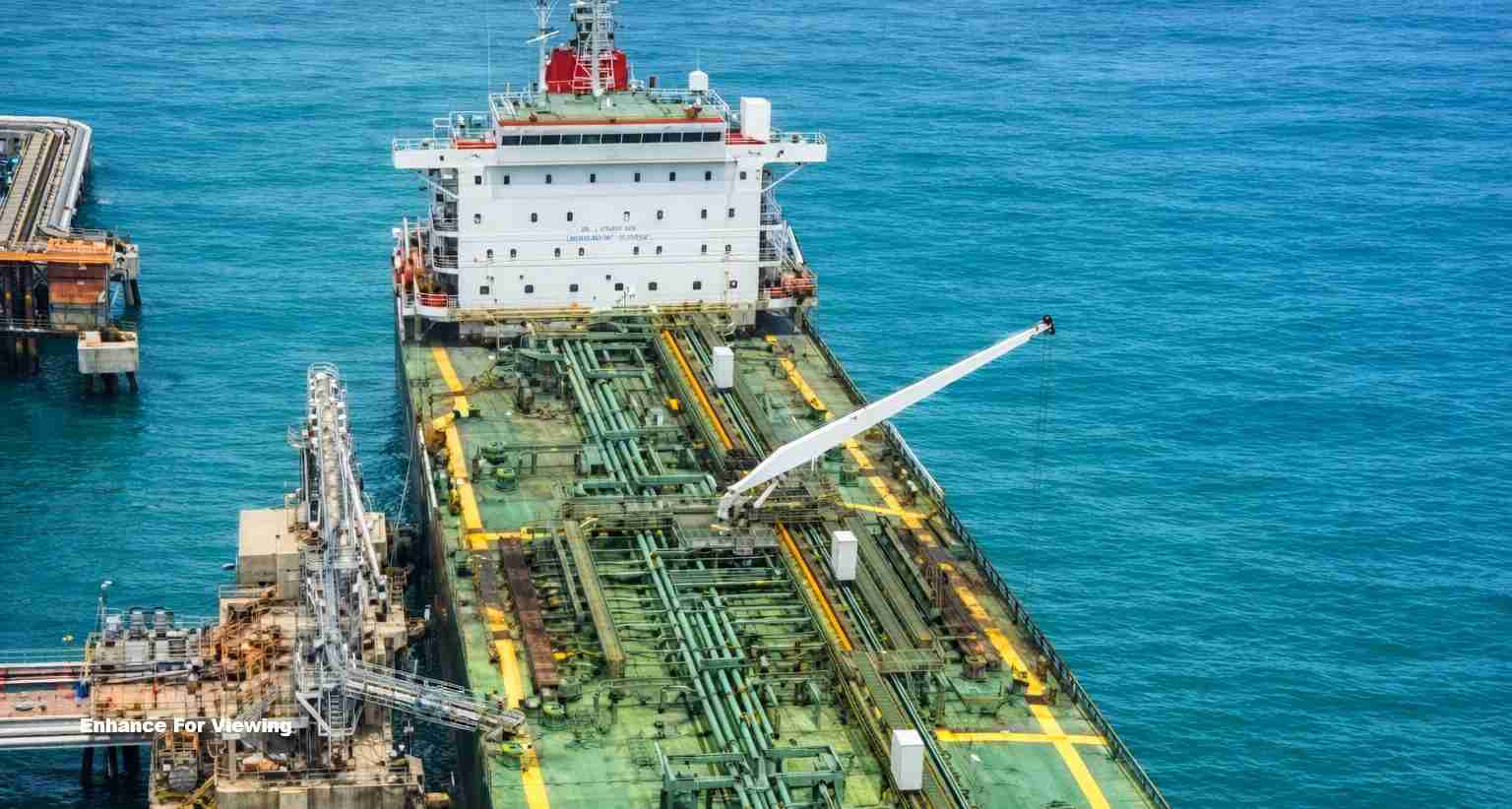
Public statements and video clips show President Trump and allies using strong language about the Venezuelan regime. One widely shared clip is available as a video of presidential remarks. However, reporters and public records consulted for this article did not find authoritative confirmation of a complete oil tanker blockade of Venezuelan ports.
Similarly, the claim that Maduro is using “stolen U.S. oil fields” to finance terrorism lacks corroboration in the State Department materials and other official notices reviewed. Open-source searches and government releases emphasize the FTO designation and sanctions, not a declared maritime blockade or confirmed theft of U.S. oil assets. These specific claims remain unverified and should be treated cautiously.
Why the administration moved now: law-and-order framing
The designation follows sustained criticism of Nicolás Maduro’s government for alleged links between senior officials and large-scale drug trafficking, money laundering and corruption. For administration allies and conservative audiences, the FTO label reinforces a law-and-order narrative: deny finance to narco-terrorism and use legal tools to protect U.S. security.
Officials say the move strengthens leverage and enhances cooperation with partner governments to halt narcotics flows and illicit finance. Independent observers caution it could complicate diplomatic negotiations aimed at restoring democratic processes if it reduces incentives for talks.
International and regional risks
The decision could prompt backlash — diplomatic retaliation, proxy actions or regional hesitation over escalation. Energy markets may react to heightened political risk, with potential implications for U.S. gasoline prices and global supply lines. Legal and diplomatic complications may arise from labeling a state-linked cartel as an FTO.
Reactions so far
Official sources include the State Department press release and supportive commentary from administration allies in the Hegseth commentary. Media outlets circulated video clips of presidential remarks (example video), which supplement but do not replace formal policy notices.
Legal experts, sanctions teams and prosecutors will parse how the FTO designation is applied and enforced, tracing financial flows to freeze assets or press charges where possible.
Implications for Redding, California
Economic impact
- Fuel and energy prices: Redding residents could see small, indirect effects on gasoline and heating costs if international oil markets react to tensions with Venezuela.
- Insurance and freight: Higher insurance premiums or shipping costs in Latin American routes could raise delivery expenses for local retailers, with downstream effects for consumers.
Political consequences
- Local officials and voters: Conservative voters in Redding may view the FTO designation favorably; local leaders might issue supporting statements.
- Federal attention: The move could increase federal law enforcement engagement on drug import pathways and money-laundering investigations affecting the region.
Social effects
- Community safety concerns: Increased rhetoric about narco-terrorism can heighten concerns in immigrant and Latino communities; clear local communication is advised to avoid unfair stigma.
- Nonprofits and faith groups: Organizations assisting migrants or low-income families may face additional demand if regional instability raises migration flows.
Cultural relevance
Redding’s conservative-leaning community tends to support robust measures against criminal regimes; expect civic discussion, town halls and local media coverage on the policy’s implications.
Practical applications for residents
- Stay informed: Follow verified updates from federal sources. See the State Department release for policy details.
- Monitor prices: Track local gasoline and heating costs and prepare for modest swings.
- Engage officials: Contact local and federal representatives to express views as federal policy unfolds.
Sources and further reading
- Terrorist Designations of Cartel de los Soles — U.S. State Department press release
- Commentary on the designation and administration options (Hegseth)
- Video reports of presidential remarks and related coverage
The State Department materials focus on the Cartel de los Soles FTO label and related Venezuela sanctions. Public records reviewed for this article do not substantiate reports of a complete tanker blockade or confirmed use of “stolen U.S. oil fields” to finance terrorism. Readers should rely on official releases and watch for updates from the Department of State and other federal agencies.



