
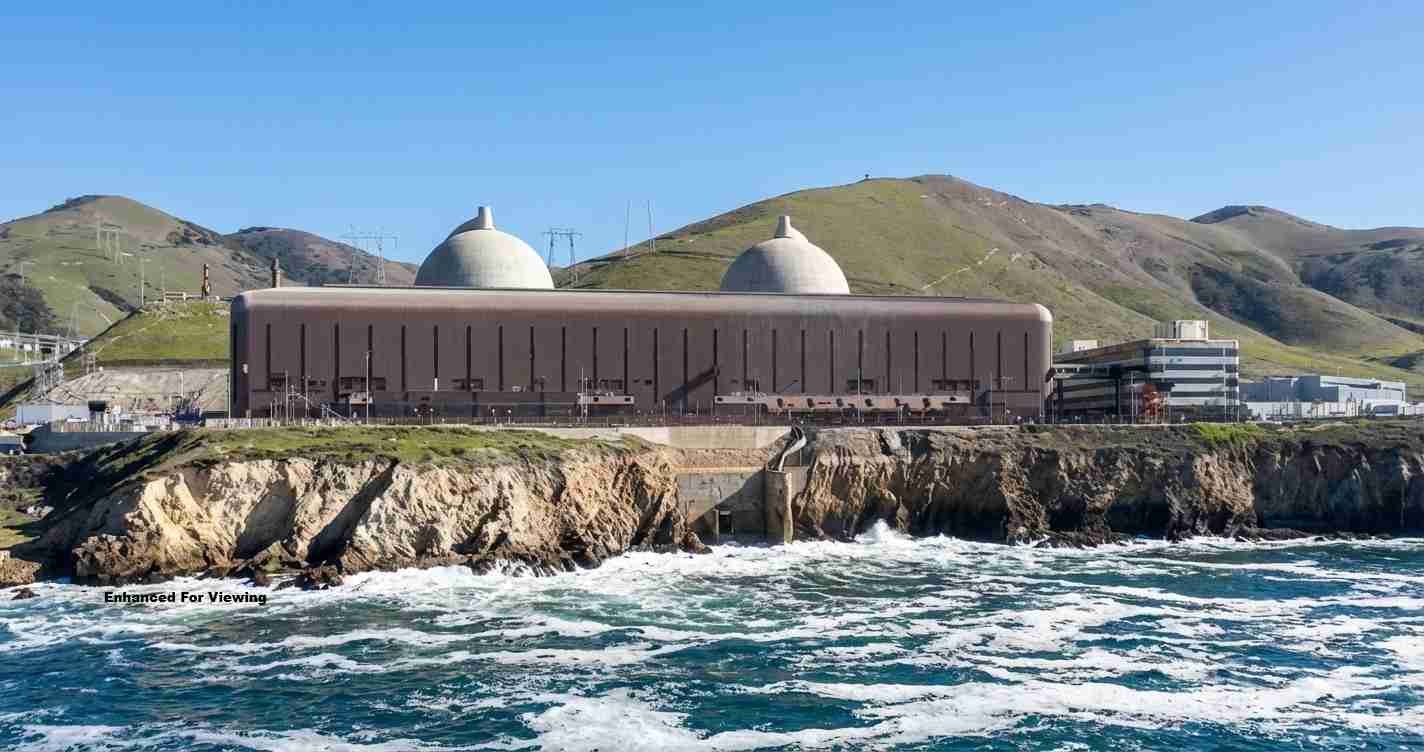
Intensive lobbying, tech money and SB 846 pushed Diablo Canyon extended operation — a fast‑tracked reversal that reshaped California’s energy debate
An investigation reveals intensive lobbying by pro‑nuclear groups, tech donors and Governor Newsom’s administration that produced SB 846, extending Diablo Canyon’s operation from a planned 2025 closure to 2029–2030, and federal permit pushes, reshaping California’s energy debate.
Key takeaways
- SB 846 authorized state-level operations of Diablo Canyon through 2029 (Unit 1) and 2030 (Unit 2).
- A broad coalition — pro‑nuclear groups, tech and venture-capital climate voices and business interests — intensively lobbied to keep the plant online (coverage).
- State permits and mitigation were approved, while PG&E has applied for federal 20‑year license renewals that could extend operations into the mid‑2040s.
Main content
Background: from 2016 deal to a policy reversal
In 2016, PG&E reached an agreement with environmental and labor groups to close Diablo Canyon’s two reactors by August 2025. At the time, many state leaders supported that plan, reflecting confidence that wind, solar, storage and efficiency would replace the plant’s output.
After the 2020–22 West Coast heat waves and a series of grid reliability problems, the Newsom administration argued the planned closure risked blackouts and higher emissions — a shift that paved the way for emergency legislative action in 2022 (Chronicle, CalMatters).
SB 846 and the fast track
In September 2022 the Legislature passed SB 846, which authorized state-level operation through 2029 for Unit 1 and 2030 for Unit 2. The bill also directed the California Public Utilities Commission to enable extended operations and address cost recovery.
Critics say SB 846 was fast‑tracked during the final hours of the legislative session, limiting public scrutiny and short‑circuiting review (local summary, IJPR).
Who pushed for the extension
Reporting documents a broad coalition that engaged intensively with lawmakers and the governor’s office. That coalition included pro‑nuclear organizations, high‑profile technologists, venture‑capital–aligned climate voices and business groups.
Groups such as the American Nuclear Society supplied technical arguments and public messaging. Consultant Richard St. Onge, associated with those efforts, called Diablo Canyon the “backbone of the California clean, reliable electrical system” and highlighted that the plant supplies about 10% of California’s electricity — a frequently cited statistic in debates (more).
A segment of the tech and clean‑tech community shifted positions, arguing existing nuclear plants are essential to meet near‑term decarbonization goals while electrification and data center demand grow (analysis).
Journalists and opponents note there was not a single centralized lobby; rather, intense engagement by multiple stakeholders shaped policy. Environmental justice groups and some environmental organizations say the effort was top‑down and industry‑dominated (IJPR reporting).
Regulatory steps and permits
After SB 846, state regulators moved to implement the law. In December 2023 the CPUC issued a conditional decision to approve extended operations through 2029/2030 under SB 846 (county summary).
Diablo Canyon cleared other state permits, including coastal actions related to marine impacts and coastal consistency. As part of mitigation, PG&E agreed to conserve roughly 4,000 acres near the plant (CalMatters, Chronicle).
At the federal level, PG&E applied to the U.S. Nuclear Regulatory Commission for 20‑year license renewals for both reactors. If granted, those renewals could allow operation into the mid‑2040s — beyond current state authorization (reporting).
Claims about Diablo Canyon’s role
Supporters describe Diablo Canyon as a large, reliable block of zero‑carbon power that plays a major role in California’s clean energy mix. The “about 10%” figure for the plant’s share of statewide electricity is widely cited, though it varies by year (source).
Analysts warn that losing Diablo Canyon without adequate replacement clean firm capacity could raise emissions and increase blackout risks. Opponents counter that extending an aging coastal reactor carries safety, seismic and environmental risks requiring careful review (Chronicle, IJPR).
Opposition and continuing controversy
Environmental groups that negotiated the 2016 shutdown say the extension breaches that agreement and could slow renewable and storage deployment. Groups including Friends of the Earth and several environmental justice organizations argue the fast‑track favored industry and limited public recourse (IJPR, Chronicle).
“Top‑down efforts dominated by industry interests”, critics say, calling for more transparent, local engagement.
Outlook beyond 2030
Observers say further extensions are possible if demand from AI data centers, electrification and persistent reliability gaps continue to grow. PG&E’s NRC applications keep the door open to multi‑decade operation, but state law or new legislation would be required to permit operation past 2030 (Chronicle, NucNet).
Implications for Redding, California
Economic and grid impacts: Northern California users, including businesses and towns around Redding, will be affected if Diablo Canyon’s output changes. If the plant remains online through 2030, it can reduce pressure to build new transmission or rely on cycling natural‑gas plants, potentially lowering costs and emissions (coverage).
Political consequences: The fast‑track nature of SB 846 and outside tech and venture capital influence have stirred concern among voters who favor local control and transparent lawmaking. In Redding and Shasta County, the debate may shape views on state leadership and energy policy (local reporting).
Social and community effects: Jobs at Diablo Canyon and in supporting industries matter to nearby coastal communities, and extended operation could avoid sudden demand pressures that ripple into inland regions like Redding. Opponents worry continued reliance on an aging reactor could slow in‑state renewable investments and associated construction jobs (CalMatters).
What to watch next
Key developments to monitor:
- NRC decisions on PG&E’s license renewal applications.
- Any state legislation to extend or limit operations beyond 2030 (analysis).
- How the CPUC and coastal regulators enforce mitigation and safety requirements tied to current extensions (CalMatters).
The Diablo Canyon debate will continue to shape California’s nuclear power conversation, energy planning and local politics across regions such as Redding.


