
Palmyra ambush: Two Iowa National Guard soldiers, U.S. interpreter killed in suspected ISIS attack in Syria
Two Iowa National Guard soldiers and an American civilian interpreter were killed and three U.S. soldiers wounded in a suspected ISIS-affiliated ambush on a U.S. convoy near Palmyra, Syria, on Saturday, December 13, 2025, officials said.
- Fatalities and injuries: Two Iowa National Guard soldiers and one U.S. civilian interpreter killed; three U.S. soldiers wounded.
- Attack type: Described by U.S. officials as a lone gunman ambush using an automatic weapon against a convoy.
- Unit: Fallen soldiers assigned to the 2nd Brigade Combat Team, 34th Infantry Division (Iowa National Guard).
- Investigation: Military investigators are examining whether the shooter was an ISIS infiltrator, a radicalized partner force member, or an external attacker.
Key information
What happened: U.S. officials say a single gunman fired an automatic weapon at a U.S. convoy near the central Syrian town of Palmyra in what they have described as an ISIS gunman ambush. (Source: Des Moines Register)
Casualties: Two Iowa National Guard soldiers and one American civilian interpreter were killed. Three other U.S. soldiers were wounded and are receiving medical care. (Sources: Des Moines Register; Iowa briefing)
Unit: The fallen soldiers were assigned to the 2nd Brigade Combat Team, 34th Infantry Division of the Iowa National Guard, part of a Middle East deployment. (Source: Des Moines Register)
Status of identities: Names of the soldiers and the American interpreter have not been released. Officials say they will wait until next-of-kin notification and Department of Defense procedures are complete. (Sources: Iowa briefing; Des Moines Register)
Investigation: U.S. military investigators are examining whether the shooter was an ISIS infiltrator, a radicalized member of local partner forces, or an external attacker. Officials are also reviewing force protection and vetting procedures for local partners. (Source: Des Moines Register)
What officials are saying
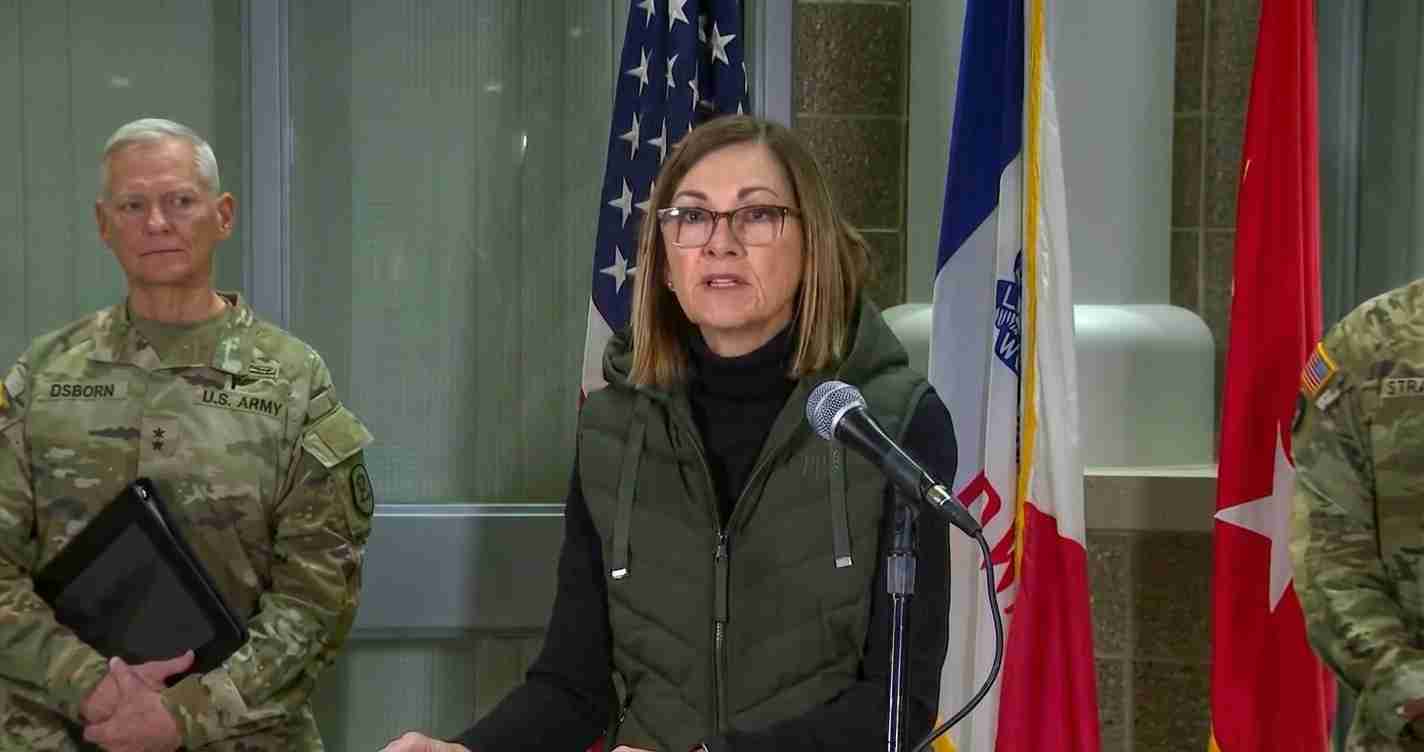
Governor Kim Reynolds confirmed two Iowa soldiers were killed and three wounded, and said state and Guard leaders received briefings and had notified next of kin. She urged Iowans to support affected families and pray for the wounded. (Source: Iowa briefing)
Iowa National Guard leadership — including Major General Stephen Osborne — participated in secure briefings and cautioned that public information would be limited to protect families and ongoing operations. (Source: Iowa briefing)
U.S. military officials described the attacker as an ISIS gunman who used an automatic weapon against the convoy. All wounded were reported being treated at U.S. facilities in the region while an investigation continues. (Source: Des Moines Register)
“We are heartbroken for the families and committed to a thorough investigation,” officials said, underscoring the priority placed on next-of-kin notifications and force protection reviews.
Mission, forces and risks
U.S. troops operate in a complex, low-visibility environment in Syria aimed at preventing an ISIS resurgence. At the time of the attack, roughly 1,800 U.S. troops were in Syria supporting partner forces; about 200–250 Iowa National Guard members from the 2nd Brigade Combat Team, 34th Infantry Division were part of that deployment. (Source: Des Moines Register)
Palmyra and surrounding desert areas remain hotspots for insurgent activity and ambushes. Even after territorial defeats, small ISIS cells and lone actors have continued to strike coalition forces and local communities. The incident raises urgent questions about convoy force protection and vetting of local partners.
Details still under review
Open questions: Investigators have not determined whether the attacker was a member of local security forces, an infiltrator posing as one, or an outside ISIS fighter. Officials have not publicly described the shooter’s fate — killed, detained or escaped. The precise sequence of events, convoy composition, and attack duration remain under investigation.
The Pentagon and the Iowa National Guard are expected to release further details, including formal casualty notices with names and hometowns, after next-of-kin notifications are complete. (Sources: Des Moines Register; Iowa briefing)
Why this matters now
This attack is one of the deadliest single incidents for the Iowa National Guard in recent Middle East deployments. It spotlights several issues for military leaders, lawmakers and communities:
- Force protection: How can convoy security be strengthened to reduce vulnerability?
- Partner vetting: Are local forces and personnel being screened and supervised sufficiently?
- Intelligence and warning: Were there missed indicators prior to the ambush?
Implications for Redding, California
Economic impact: Immediate financial effects are likely small in Redding because the fallen soldiers were from Iowa, though local organizations may incur costs if they host memorial events or provide support to families.
Political consequences: Redding’s conservative community values military service and may press for stronger protective measures and clearer vetting of partner forces. Local officials may be called to express support and seek accountability.
Social effects: Expect memorials, vigils and increased demand for counseling and veteran support services. Churches, veterans groups and civic organizations will likely mobilize assistance.
Practical guidance for Redding residents: Stay informed via official Department of Defense casualty notices and statements from Iowa National Guard leaders. Local groups can prepare to offer logistical and emotional support to families and service members.
Next steps in reporting
Officials say investigations will probe whether the gunman was an infiltrator, a radicalized partner, or an outside attacker. Coverage to watch for: Department of Defense casualty notifications, identities and hometowns of the fallen, details of security reviews, and any policy changes to protect U.S. troops in Syria. (Sources: Des Moines Register; Iowa briefing)
Coverage and sources
This report is based on initial public reporting and official briefings. Core reporting was drawn from the following sources:



