
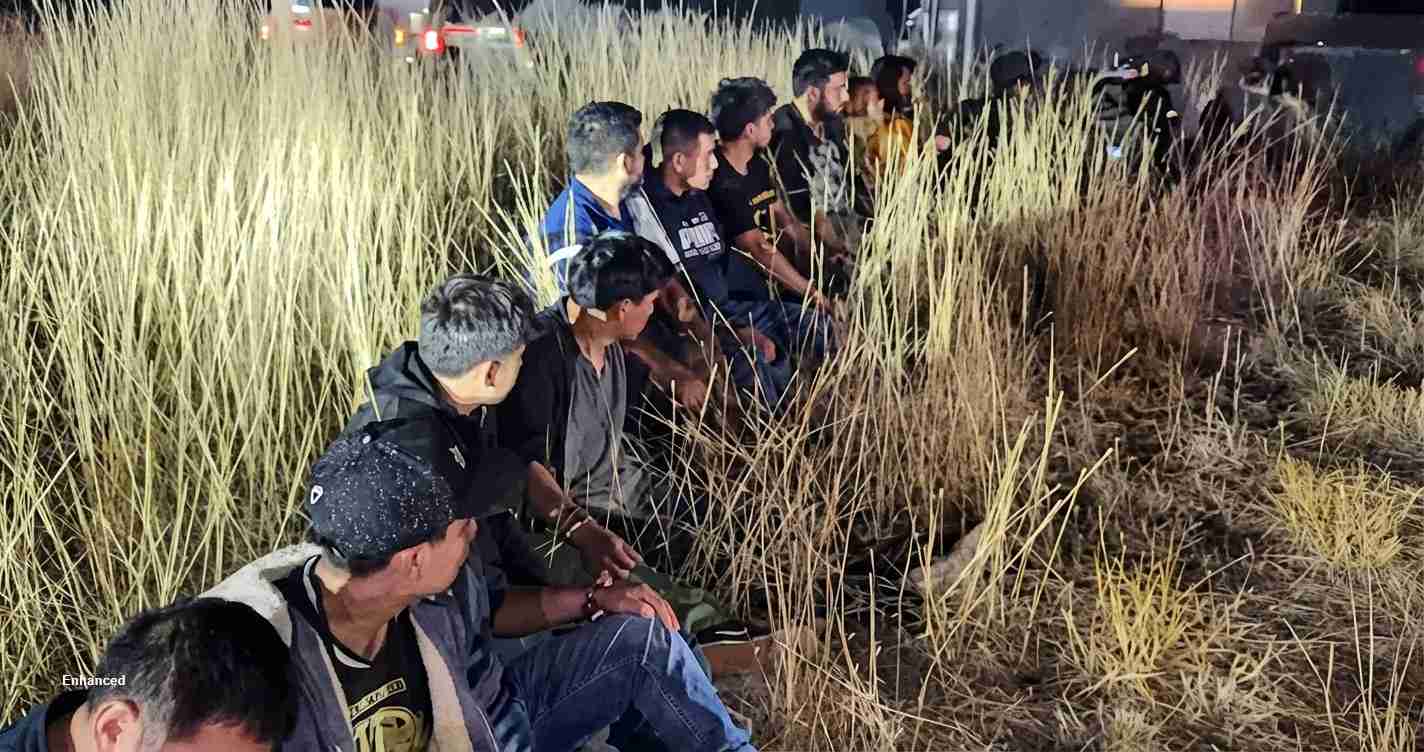
Video shows 23 migrants found hidden in truck cab during routine Texas traffic stop; driver arrested
La Salle County, Texas — A routine traffic stop uncovered 23 migrants hidden in a truck cab; a Texas man was arrested on suspicion of human smuggling, and U.S. Border Patrol took custody of migrants from multiple Central American countries.
- 23 migrants were found hidden inside a truck cab during a routine stop in La Salle County, Texas.
- The driver was arrested on suspicion of human smuggling and the migrants were turned over to U.S. Border Patrol.
- Video footage from dashcams/bodycams circulated locally, illustrating the cramped, dangerous conditions.
- Authorities tie such stops to organized smuggling networks and warn of life‑threatening hazards when groups are moved in confined spaces.
What happened: the traffic stop and discovery
Local officers conducted a routine traffic stop on a truck in La Salle County. During the stop they discovered multiple people packed into the truck cab. Dashcam and bodycam video shows officers ordering occupants out, securing the scene, and then contacting Border Patrol for custody and processing.
“Officers ordered people out of the vehicle and secured the scene before turning the migrants over to Border Patrol agents for processing.”
Processing and custody
U.S. Border Patrol took custody of the individuals, who were later processed for immigration violations and screened for criminal history or protection claims under standard Border Patrol procedures. For background on agency reporting and past press releases, see the U.S. Customs and Border Protection newsroom and U.S. Border Patrol sector pages.
Law‑enforcement attribution and reporting
Local agency statements and TV reports typically note the number of people found, their nationalities, and that cases may be forwarded for federal prosecution. These incidents are often publicly summarized in short agency releases and local coverage.
Why video matters
Video from dashcams or bodycams draws attention because it visually demonstrates how smugglers pack migrants into small spaces and the immediate risk to those people. Local television outlets frequently run short clips; similar regional coverage appears on sites such as KRGV and KSAT.
Nationalities and screening
Border Patrol processing in South Texas commonly identifies nationals from Guatemala, Honduras, El Salvador, Mexico and Nicaragua. Agents collect fingerprints and biographic data, screen for prior deportations or criminal history, and assess credible fear claims that could trigger asylum proceedings. See CBP materials for technical details.
Charges against drivers and legal follow‑up
The driver — a Texas man — was arrested at the scene on suspicion of human smuggling. Federal statutes such as 8 U.S.C. § 1324 are commonly invoked; cases are frequently referred to Homeland Security Investigations (HSI) and the U.S. Attorney’s Office for possible prosecution. For general information, consult the Department of Homeland Security news and U.S. Department of Justice resources.
Conditions inside the cab and safety risks
Cramping two dozen people into a truck cab creates severe hazards: limited airflow, no seat restraints, heat exposure, and crush injury risk. Past tragedies involving overcrowded vehicles and tractor‑trailers have underscored the lethality of these methods and the disregard smuggling networks have for human life. For reporting on past deadly cases, see coverage from Reuters and the Associated Press.
How this fits a broader pattern
This stop aligns with a long‑running pattern along the Southwest border in which smugglers conceal migrants in cars, trucks, tractor‑trailers and hidden compartments. Law enforcement attributes many of these operations to organized criminal networks that coordinate concealment and movement from border points to interior cities.
Attribution and limits on specifics
This article follows the standard law‑enforcement sequence and public reporting pattern for South Texas smuggling stops. Specifics beyond the core facts — including exact highway location, driver identity, and arrest date — should be confirmed via the responding agency’s formal press release or local law‑enforcement statement. Consult the issuing agency’s site or local press outlets for official case releases, including the CBP newsroom and the Texas Department of Public Safety news.
Implications for Redding, California
Economic impact: Large‑scale migration and enforcement priorities can shift federal funding and influence how resources reach interior states like California. Political consequences: High‑profile smuggling cases often fuel calls for stronger border security and become talking points in local and state campaigns.
Social and cultural effects: Incidents like this can heighten community concern about public safety among constituents who prioritize law and order, while prompting humanitarian groups to prepare support for migrants arriving in California.
Practical applications for residents
- Report suspicious highway activity to state or federal authorities; trucking businesses should remain vigilant.
- Contact congressional representatives to express views on border security and immigration policy.
- Local charities and faith groups can partner with established organizations to offer legal clinics, shelter referrals, and language services.
Sources and further reading
Primary and background sources cited in this report include the U.S. Customs and Border Protection newsroom, U.S. Border Patrol (Southwest border information), the Department of Homeland Security news, the Texas Department of Public Safety news, regional outlets such as KRGV and KSAT, national reporting from Reuters and the Associated Press, and the parent publication Times Media Service.
Note: Law‑enforcement agencies routinely release formal statements and video footage in these cases. Readers seeking the latest specifics should consult the official press release from the responding agency and U.S. Border Patrol updates at the CBP newsroom.


