
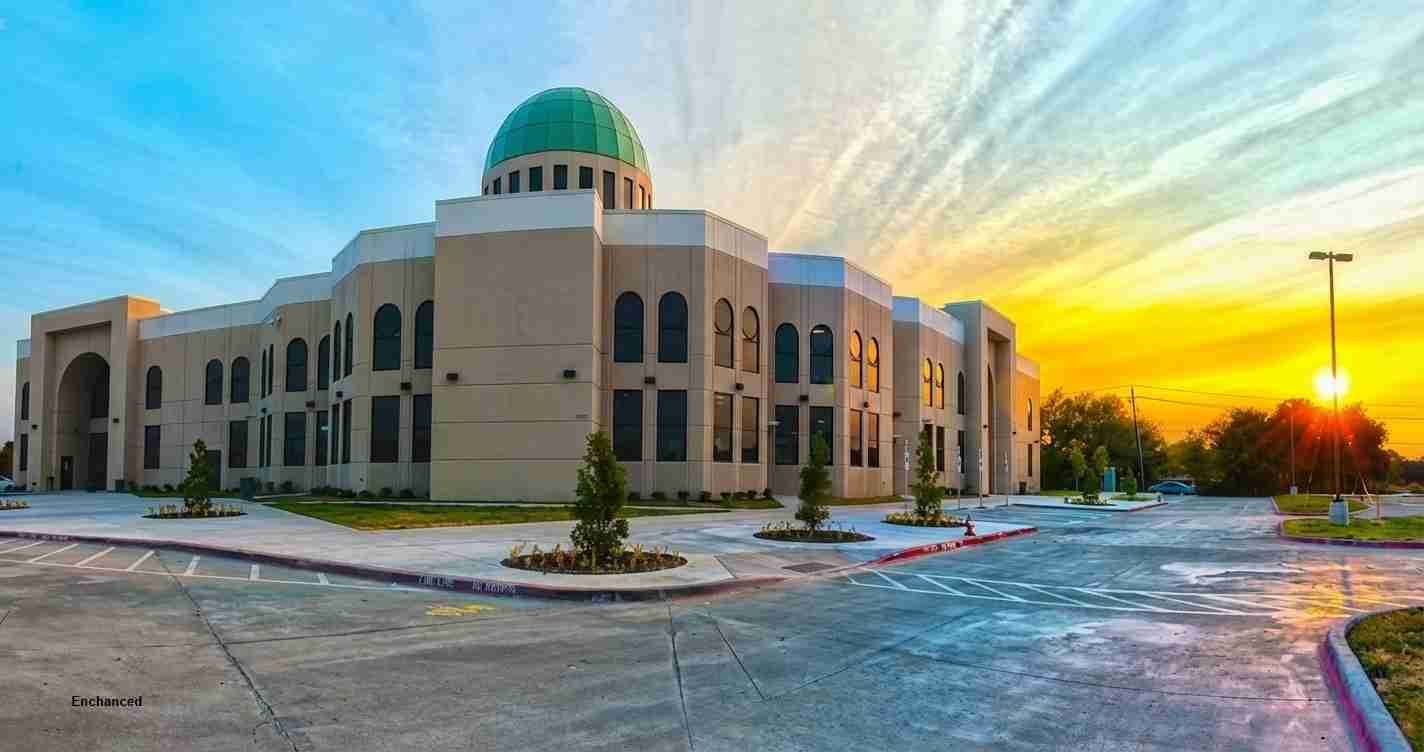
Texas AG Sues Plano Mosque Development in Texas securities fraud lawsuit, alleges EPIC City Muslim-only marketing
Texas Attorney General Ken Paxton sued the East Plano Islamic Center and associates over the proposed “EPIC City” development, alleging securities fraud and unlawful religion-targeted marketing described as a de facto “Muslim-only” campaign in state court.
- Who: Lawsuit names the East Plano Islamic Center (EPIC), Community Capital Partners and individual leaders linked to the project (KERA).
- What: Targets the proposed master-planned community “EPIC City” (aka “The Meadow”) on hundreds of acres in or near Collin and Hunt counties (KERA).
- Allegations: Securities fraud, deceptive practices, and unlawful religion-targeted marketing framed as de facto “Muslim-only” promotion (KERA).
- Relief sought: Temporary restraining order, permanent injunction, civil penalties and bans on organizers running similar schemes in Texas (KERA).
Dateline
Plano, Texas (Times Media Service) — Texas Attorney General Ken Paxton has filed a civil complaint in state court against the East Plano Islamic Center (EPIC) and related entities over plans for a master-planned community called EPIC City. The filing follows a months-long investigation by the AG’s office.
The lawsuit and who is named
Paxton’s complaint lists the East Plano Islamic Center, its development arm Community Capital Partners, and individual leaders tied to the proposal. The AG’s office says investigators began looking into the project in March and collected more than 750 documents and written responses from Community Capital Partners (KERA).
“They have engaged in a radical plot to destroy hundreds of acres of beautiful Texas land and line their own pockets,” Paxton said, pledging to “relentlessly bring the full force of the law” against the effort.
Allegations of “Muslim‑only” style marketing
A central contention in the complaint is that EPIC and its partners promoted the development as a niche, religion-oriented community. State officials say promotional materials and public statements presented EPIC City as designed specifically for Muslims, creating what the office calls a de facto “Muslim‑only” neighborhood even if developers did not use that literal phrasing in formal filings.
Paxton’s team argues that marketing a large Texas neighborhood as tailored to a single religious group raises both legal and public policy concerns. The state links those claims to possible conflicts with fair-housing and nondiscrimination standards and says the religious branding was material to investors and the public.
Securities and fraud allegations
Beyond the marketing claims, the complaint focuses heavily on alleged securities-law violations. The AG accuses the developers of:
- Failing to follow Texas rules for soliciting investments and verifying accredited investors,
- Making unregistered offers and using undisclosed promotional videos and materials, and
- Misrepresenting the project’s location and legal status.
One example cited by the state: promotional materials suggesting the development would be in the small town of Josephine, Texas, when the land actually lies in unincorporated areas between Collin and Hunt counties and thus outside Josephine’s municipal limits. Investigators say those omissions and misstatements could have misled potential buyers and investors about project risks (KERA).
What Paxton is asking the court to do
The complaint seeks immediate and long-term relief, including:
- A temporary restraining order to halt promotion, solicitation and fundraising tied to EPIC City while the case proceeds;
- A permanent injunction preventing the project from moving forward under the same structure or marketing approach;
- Civil penalties and potential bans on individuals from organizing similar land or investment schemes in Texas.
Paxton framed the filing as a reminder that religious branding does not exempt developers from securities, consumer-protection, or fair-housing rules — and that large, niche developments must comply with registration and disclosure requirements (KERA).
Responses and unresolved questions
As of the latest reporting, EPIC, Community Capital Partners and the individual leaders named in the suit have not provided formal public responses included in the state’s filing. The complaint leaves open how defendants will defend themselves. Possible defenses could include:
- Claims the community was described as religion-friendly but not religion-exclusive;
- Arguments that investors were adequately informed and accredited; or
- Assertions that any errors were technical and fixable rather than fraudulent.
Legal experts say the case raises novel questions about where to draw the line between lawful, faith-oriented marketing and unlawful, faith-based exclusion. It will test how Texas courts apply securities rules to religion-branded real-estate ventures and how strongly the state may police such promotions under anti-fraud and fair-housing laws (KERA).
Texas AG Sues Plano Mosque Development: broader context
The filing follows increased scrutiny of real-estate projects that use niche or identity-based branding to attract investors. The AG’s office positions the case as protecting investors and the public interest rather than targeting faith communities. For conservatives, the matter frames two themes: upholding the rule of law and protecting property owners from misleading schemes.
Keywords tied to the news — Texas AG Sues Plano Mosque Development, EPIC City Muslim-only marketing, Texas securities fraud lawsuit — reflect the legal and public-policy frame emphasized in the announcement (KERA).
Implications for Redding, California
Economic impact: Local investors and residents in Redding should note the state focus on investor protection. If courts enforce strict penalties, developers and groups seeking private funding could face closer scrutiny and lenders may tighten reviews of niche projects.
Political consequences: Conservative voters in Redding may view the action as a state AG enforcing laws neutrally to protect property rights and investors, while also raising questions about local control and land-use oversight.
Social effects: The case spotlights tensions between religious freedom and nondiscrimination in housing. Faith groups planning housing or retirement communities should structure marketing and governance to avoid the appearance of exclusion.
Practical applications: Developers, churches and community groups in Redding should document investor qualifications, register offerings when required, and avoid promotional claims that could be viewed as exclusive or misleading. Real-estate attorneys, title companies and local officials will likely emphasize transparent marketing and clear disclosures to avoid litigation.
Source
Full reporting on the suit and the Attorney General’s allegations: Full reporting on the suit and the Attorney General’s allegations


