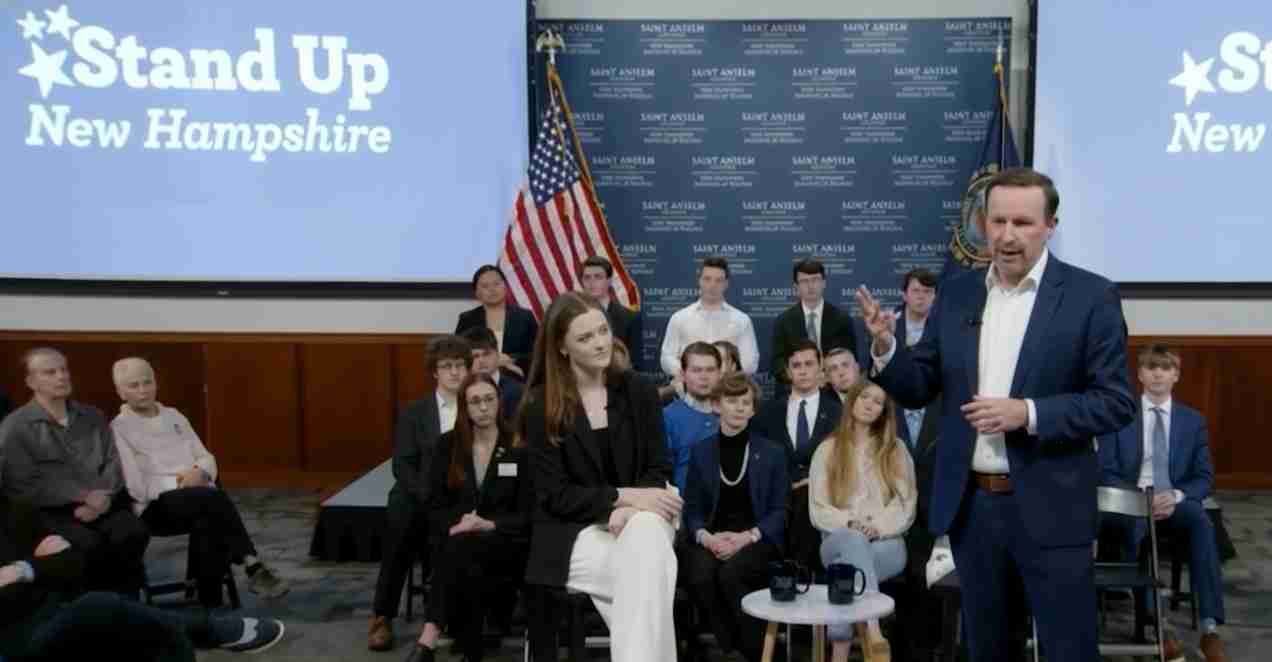
Connecticut Sen. Chris Murphy Urges Stronger Schumer Leadership, Calls for Pragmatic, Bipartisan Approach
Connecticut Sen. Chris Murphy urged Senate Majority Leader Chuck Schumer to take a more active, pragmatic role managing Democratic disputes and to consider bipartisan steps — including some Trump-backed policies — to secure votes and produce tangible results.
- Leadership push: Sen. Murphy urged Schumer to more actively manage disputes and pursue pragmatic, bipartisan options (Source).
- Measured critique: Murphy did not call for Schumer to step down, offering corrective comments aimed at style and effectiveness rather than a personal attack (Source).
- Unspecified policies: The report did not identify the specific Trump-backed policies Murphy referenced, leaving the exact bipartisan proposals open to interpretation (Source).
- Local impact: Murphy’s remarks highlight how Senate tactics affect communities like Redding, California, through the pace of infrastructure, disaster relief, and other federal programs (Source).
Dateline and context
Manchester, New Hampshire (Times Media Service) — Connecticut Senator Chris Murphy publicly raised concerns about the effectiveness of Senate Democratic leadership, urging Majority Leader Chuck Schumer to provide clearer guidance as internal disputes threaten legislative momentum (Source).
Murphy’s message: leadership needs to manage disputes
Senator Murphy told Fox News Digital that Senate Democratic leadership must do a better job of managing differences within the caucus. He framed the majority leader’s role as not only setting policy goals but also mediating disagreements before they derail action on consequential bills (Source).
“I think Chuck has a super …” — an incomplete quote cited in coverage that underscores Murphy’s diplomatic tone and measured critique.
Murphy stopped short of demanding a leadership change. He acknowledged Schumer’s experience and past successes, signaling the remarks were corrective rather than combative (Source).
What Murphy wants: effectiveness and pragmatism
Murphy’s central point was practical: the caucus should prioritize policies that can clear the Senate. He suggested Schumer consider supporting certain positions that previously earned support from former President Donald Trump — presented as a pathway to results rather than ideological surrender (Source).
Unspecified proposals: The article does not list the exact Trump-backed policies Murphy had in mind, leaving observers to speculate about bipartisan areas such as infrastructure, veterans’ services, criminal justice, or targeted disaster relief — possibilities rather than assertions tied directly to his remarks (Source).
How the comments were reported
Media coverage emphasized the rarity and significance of public, senior criticism of a sitting majority leader. Reporting highlighted the diplomatic tone — Murphy did not call for Schumer’s resignation — while stressing urgency: leadership must produce unity or workable majorities to govern effectively (Source).
Why this matters for Senate Democratic leadership
The Senate depends on negotiation and coalition-building. Public intraparty disputes make it harder for leadership to marshal votes. Murphy’s call for a more proactive Schumer reflects a larger problem: a narrow majority and ideological diversity within the Democratic caucus complicate the path from party aims to passed laws.
For a majority leader, balancing progressive ambitions, moderate concerns, and the need for bipartisan support requires constant mediation. Murphy’s remarks underscore the tactical challenge of translating priorities into legislation when fellow Democrats are divided (Source).
Bipartisan policies as a strategy
At its core, Murphy’s suggestion to consider Trump-backed proposals is a call for pragmatism. For many voters, bipartisan deals represent common-sense governance where compromise produces tangible benefits. Murphy framed this as choosing results and stability over unachievable party purity (Source).
That approach also involves trade-offs: backing previously Republican-supported measures can speed passage and deliver benefits, but may unsettle activists seeking more ambitious progress. Murphy’s point is tactical — select compromises that advance the caucus’s core interests while expanding votes.
Gaps in the public record
Several open questions remain. Murphy did not name the specific policies he had in mind. Schumer has not issued a detailed public response. It is unclear whether other Senate Democrats share Murphy’s view or whether his comments indicate a growing faction within the caucus. Further reporting will be needed to identify the issues causing friction and whether Schumer will adjust tactics (Source).
Implications for Redding, California
Economic impact: Federal legislation that can win bipartisan support often channels funding for highways, broadband, water systems, and disaster recovery. If Senate leadership shifts toward pragmatic, bipartisan policies, Redding could see faster action on funding for infrastructure and post-fire rebuilding efforts. Conversely, continued disputes could delay federal relief and infrastructure projects Redding needs (Source).
Political consequences: Redding’s region leans conservative and values fiscal prudence and public safety. Murphy’s bipartisan call may appeal to local voters who prioritize results. Local Republicans could leverage the debate to push compromise solutions, while Democrats will watch whether national leaders can secure relief without alienating core supporters.
Social effects: Timely federal action affects public safety and services — especially for residents recovering from wildfires and economic disruption. More effective leadership that brokers bipartisan deals could speed delivery of disaster aid, healthcare resources, and housing support.
Cultural relevance: Redding residents emphasize self-reliance and practical solutions. A leadership style prioritizing workable bipartisan policies could resonate locally as a move toward problem-solving rather than partisan theater.
Practical applications for daily life: For Redding residents, faster bipartisan bills could mean quicker infrastructure repairs, improved rural broadband, stronger fire prevention and response, and more stable support for small businesses that rely on federal programs. Continued leadership struggles could delay these outcomes.
What to watch next
Local officials and community leaders should track federal votes on infrastructure, disaster relief, and rural programs. The pace and outcome of those votes will reveal whether Senate Democratic leadership moves toward the pragmatic, bipartisan approach Murphy described and whether national tactics translate into local benefits (Source).