
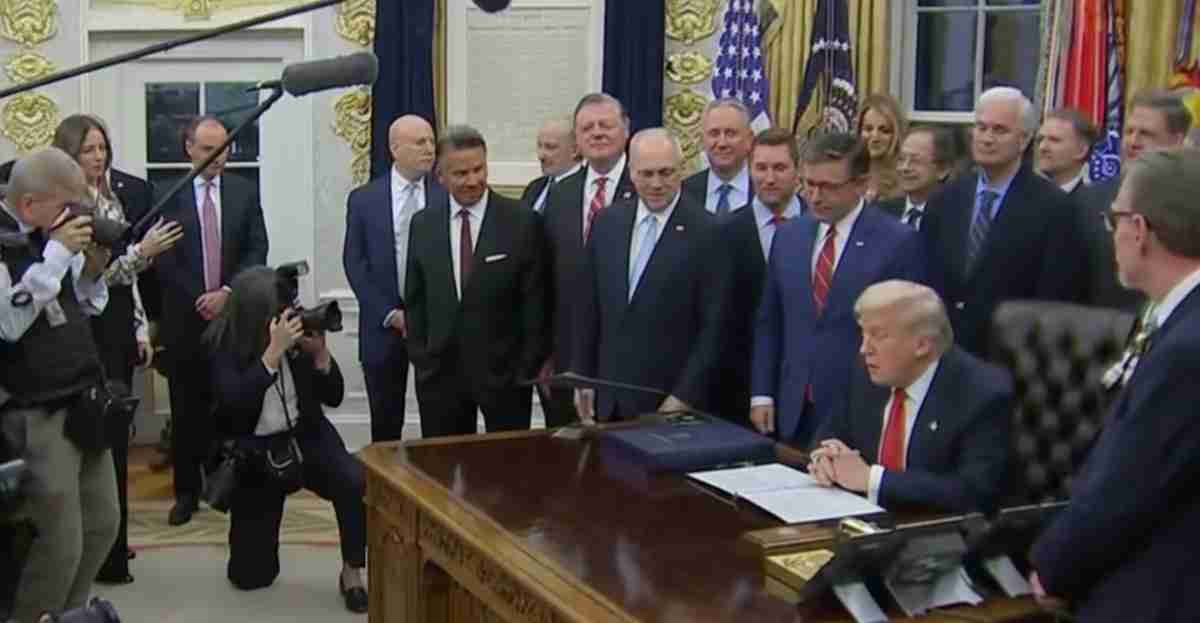
Trump ends government shutdown: 43-day shutdown ends as stopgap funds government through Jan. 30; federal workers to get back pay
President Donald Trump signed a stopgap funding bill on November 12, 2025, ending the 43-day shutdown and funding the federal government through Jan. 30, 2026, allowing furloughed workers to return with back pay and services to resume.
Key takeaways
- House vote: 222 Yea, 209 Nay.
- Senate approval occurred before the House vote.
- Funding covers three full annual appropriations bills and keeps the remainder of the government funded through Jan. 30, 2026.
- Federal workers rehired and guaranteed retroactive pay; recent firings during the shutdown are reversed.
What the bill does, in plain terms
The stopgap measure signed on Nov. 12, 2025, restores full agency operations, calls back furloughed staff with guaranteed back pay, and funds critical programs through Jan. 30, 2026. It specifically funds SNAP and related food assistance so benefits continue uninterrupted.
Practical effects include resuming travel security screening, economic data releases, benefits administration and restarting regulatory and statistical work that had been paused.
Key provisions — restored operations and payroll
- Agency operations: Departments that curtailed services will resume normal staffing and functions.
- Back pay and rehiring: Furloughed employees are being called back and will receive retroactive pay; the bill also rolls back terminations carried out during the shutdown.
- Program funding: SNAP and other food assistance programs are funded; three annual appropriations bills are fully funded as part of the measure.
Political backdrop and partisan dynamics
The shutdown highlighted deep partisan divisions between House Republicans and Senate Democrats. Democrats prioritized an extension of Affordable Care Act tax credits that lower premiums; after weeks of standoff, a group of Senate Democrats broke ranks to help forge the compromise.
President Trump blamed Democrats for the shutdown and called the compromise “the best available path to reopen government services,” while suggesting changes to Senate rules to help prevent future shutdowns.
Republicans signaled they will press leverage on health-care subsidies and other priorities before the next deadline; Democrats continue to push for ACA tax-credit extensions as a central demand.
Immediate effects felt across the country
Federal workers: Agencies have begun contacting furloughed staff to return to work. Payroll offices started processing back pay, though it may take several pay cycles for all retroactive checks to clear.
Services and benefits: Food assistance and other critical programs resumed normal disbursement schedules. Travel and transportation services regained staff, reducing risks of delays tied to employee shortages.
Agency operations: Offices that paused, including regulatory review and some statistical agencies, will restart operations, restoring access to official data and approvals.
What happens next: key steps and deadlines
- Longer-term funding: Congress and the White House must reach a durable agreement before the stopgap expires on Jan. 30, 2026; failure could lead to another shutdown.
- ACA tax-credit vote: A mid-December vote on extending Affordable Care Act subsidies is expected but not guaranteed; it could be a flashpoint in negotiations.
- Agency restart work: Departments will reconcile accounts and restart delayed projects; guidance from the Office of Management and Budget will direct catch-up plans.
- Oversight: Congressional committees may hold hearings into actions taken during the shutdown, including firings and emergency measures.
Implications for Redding, California
Economic impact
Federal employees in the Redding area who were furloughed will be rehired and receive back pay, restoring household incomes and local spending — a meaningful boost for small businesses serving federal workers and contractors. Programs reliant on federal funding — disaster assistance, forest management, and agricultural supports — can resume, benefiting local landowners, timber workers and farmers.
Political consequences
Local Republican leaders may highlight the reopening as evidence of pressure restoring services, while mid-December health-care subsidy debates could factor into local campaign messaging.
Social and community effects
SNAP and other benefits for low-income families in Shasta County will flow without interruption, easing demand on food banks and community organizations that stepped in during the shutdown. That relief is tangible for families affected during the 43-day disruption.
Practical applications for residents
- If you applied for federal permits, benefits, or services that were delayed, agencies are restarting processing — check agency websites or call local offices for updates on timelines and backlogs.
- Federal contracting and construction projects paused during the shutdown should resume; contractors and suppliers should contact agency contracting officers for updated schedules and claims related to delays.
Documented sources
Times Leader
PBS Wisconsin
ABC News
News and Sentinel
Video source — YouTube clip 1
Video source — YouTube clip 2
Power1053 radio coverage
Readiness note
The stopgap ends the immediate crisis and secures federal pay and services for now. The next six weeks will determine whether Congress can convert this temporary fix into a lasting budget agreement or whether funding lapses again on Jan. 30, 2026.



