
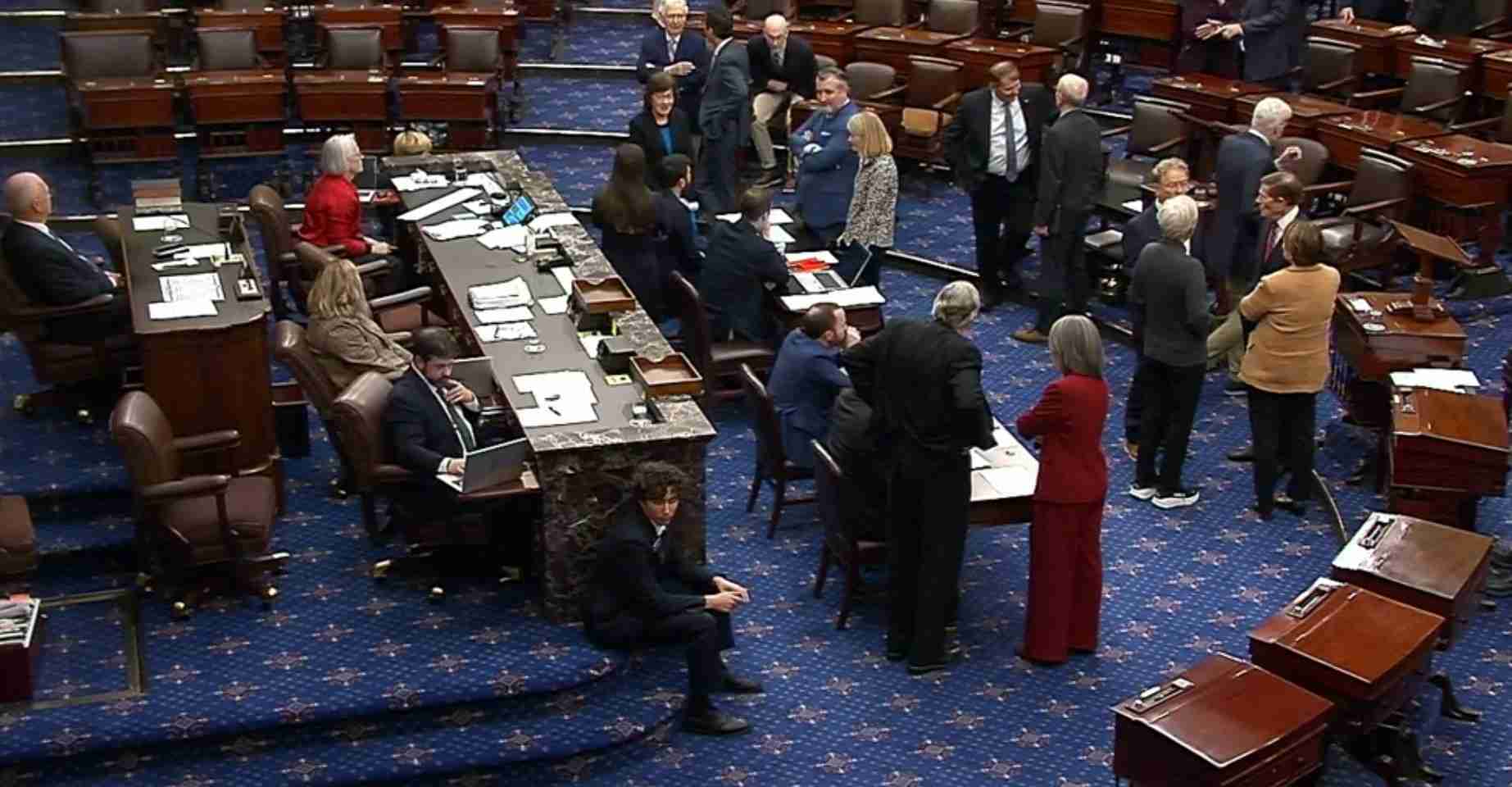
Senate stalemate continues as Democrats hold firm; no mass defection to reopen government in Obamacare subsidies dispute
As the federal government remained shut down in October and November 2025, Senate Democrats largely held firm against Republican-led efforts to reopen it, insisting on binding guarantees for Obamacare subsidies, nutrition programs and other protections.
Key takeaways
- Multiple Senate attempts to reopen the government failed to reach the 60 votes needed to overcome filibuster rules.
- Recent cloture votes fell short, including a Nov. 4 effort that ended 54-44 rather than a 60-40 margin.
- Only a very small number of Democrats crossed with Republicans; most stayed united demanding binding subsidy language.
Main content
What happened on the floor
Senate leaders advanced repeated cloture motions to bring Republican-written spending measures to the floor, aiming to force simple-majority debate and pass short-term funding to reopen government operations. Each attempt met the Senate’s 60-vote threshold to break filibusters and failed to advance.
On Nov. 4, the most recent high-profile cloture vote ended 54-44, a count that fell well short of the supermajority needed to advance the GOP bill.
Who crossed the aisle — and who did not
A handful of senators broke with most of their party. In one key vote, three Senate Democrats — Sen. Catherine Cortez Masto of Nevada, Sen. John Fetterman of Pennsylvania — and independent Sen. Angus King joined most Republicans to support a motion, but that limited defection did not deliver 60 votes. Roll-call records show only narrow Democratic defections in most cases.
Republicans pushed for quick reopenings without binding language on subsidy funding; conservatives largely voted to move forward, with isolated departures such as Sen. Rand Paul on one procedural vote and two senators recorded as abstaining in recent tallies.
Why Obamacare subsidies remained the flashpoint
At the heart of the impasse was the Obamacare subsidies dispute. Democrats demanded clear, enforceable guarantees that premium subsidies and cost-sharing reductions for low- and middle-income Americans would continue — not vague promises. GOP leaders and the White House resisted including binding subsidy provisions in short-term funding bills, calling Democratic demands an expansive policy wishlist rather than an urgent funding necessity. Coverage of the negotiations and messaging highlighted those rhetorical clashes.
Without those guarantees, many Democrats argued reopening would leave millions exposed to increased insurance costs and destabilize health markets, keeping the party united against GOP bills lacking concrete subsidy language. Reporting traced the centrality of subsidy protections to Democratic strategy.
Moderates under pressure
At least eight moderate Senate Democrats held private talks exploring pathways to reopen the government, weighing political risk against constituent needs. They said they would need strong, enforceable assurances on priorities including SNAP, WIC and Obamacare subsidies before switching their votes. Reports detailed those private discussions, but no guarantees emerged to clear cloture.
Republicans publicly criticized Democrats for pressing policy conditions during a shutdown, urging immediate reopening; Democrats countered that failing to secure funding for health and food-assistance programs would inflict long-term harm on vulnerable families.
Local and national impacts cited by lawmakers
Lawmakers warned of concrete harms: estimated reductions in benefits for roughly 42 million Americans, federal employee furloughs, disruptions to flights and other services — all intensifying pressure on senators from swing states and districts with high numbers of federal workers or benefit recipients. Reporting noted these nationwide effects.
“We need enforceable protections for beneficiaries before reopening,” said multiple Democratic senators during private and public statements.
Sen. Mullin’s office released a statement saying he voted to reopen the government and blamed Democratic opposition for blocking another vote to end what he called the “Schumer shutdown,” underscoring how both parties amplified political messaging as the standoff continued.
H.R. 5371 — what the record shows
Discussion around H.R. 5371 dominated floor debate, but public roll-call data and reporting do not confirm a cloture victory by a 60-40 margin or that Democrats broadly abandoned subsidy demands. Records show repeated failures to reach 60 and only narrow Democratic defections in most attempts to advance the bill.
What’s next on the calendar
Senators said more procedural votes and bargaining sessions were likely. Private discussions among moderate Democrats suggest compromise paths exist, but negotiators must still resolve whether short-term funding will include enforceable subsidy language or whether Democrats will accept nonstatutory assurances. PoliticalWire coverage highlights the ongoing calendar and bargaining dynamics that will shape pressure on holdout lawmakers.
Sources and reporting
- NorthJersey: “What time does Senate vote today on government shutdown live updates”
- NorthJersey: “How did the Senate vote today on 2025 shutdown — did government reopen?”
- Sen. Mullin press release: Mullin votes to reopen
- Political Wire: “Eight Senate Democrats meet to reopen the government”
- YouTube coverage on negotiations and messaging
Implications for Redding, California
Economic impact
Redding’s economy — a mix of public employees, small businesses, agriculture and tourism — faces ripple effects from longer federal shutdowns. Reduced SNAP and WIC benefits can lower customer spending at local grocery stores and markets, hurting businesses across Shasta County. Reporting on benefit impacts underscores possible local economic stress.
Federal workers and contractors
Shasta County employs federal workers and contracts with agencies administering land, water and environmental programs. Furloughs or delayed paychecks strain household budgets and can ripple through the local economy; contractors facing cash-flow problems may delay projects or use temporary layoffs. Local effects mirror national reporting.
Public safety and wildfire response
Northern California relies on federal wildfire resources, equipment, and interagency coordination during fire season. A shutdown affecting federal firefighting personnel, aerial support contracts, or coordination among agencies could hamper rapid response to new fires or prolonged incidents. Local fire chiefs and county officials will monitor funding and staffing decisions closely. (Reported impacts cite prior shutdown effects; see reporting on shutdown effects.)
Health care and insurance markets
If the Obamacare subsidies dispute remains unresolved, Redding residents who receive premium help could face higher insurance costs or market instability, especially low- and moderate-income families who depend on subsidies. Local clinics and hospitals may see higher uncompensated care if coverage becomes less affordable. Coverage of the subsidy debate highlights the stakes.
Political consequences at the local level
Conservative voters in Redding may amplify calls for fiscal restraint and policy clarity before funding; local GOP officials may stress that reopening without reforms encourages future standoffs. Democrats will emphasize the human costs of inaction and argue for immediate funding with protections for health and nutrition programs. Sen. Mullin’s messaging exemplifies how each side frames the standoff to voters.
Practical effects for residents
Residents in Redding should prepare for short-term disruptions: delays in certain federal permits or services, uncertainty for SNAP and WIC recipients, and potential delays processing federally backed loans or grants. Those relying on federal health subsidies should monitor official notices from insurers and state exchanges about subsidy status. County offices can provide guidance for navigating temporary interruptions. See reporting on local effects.
What local leaders can do
County and city officials in Redding can coordinate with state agencies to identify service gaps, prepare contingency plans for emergency response, and communicate clearly with residents about affected benefits and services. Local representatives should press senators to seek practical, enforceable language that protects beneficiaries while addressing federal spending concerns. Reporting on negotiations outlines potential compromise pathways.



