
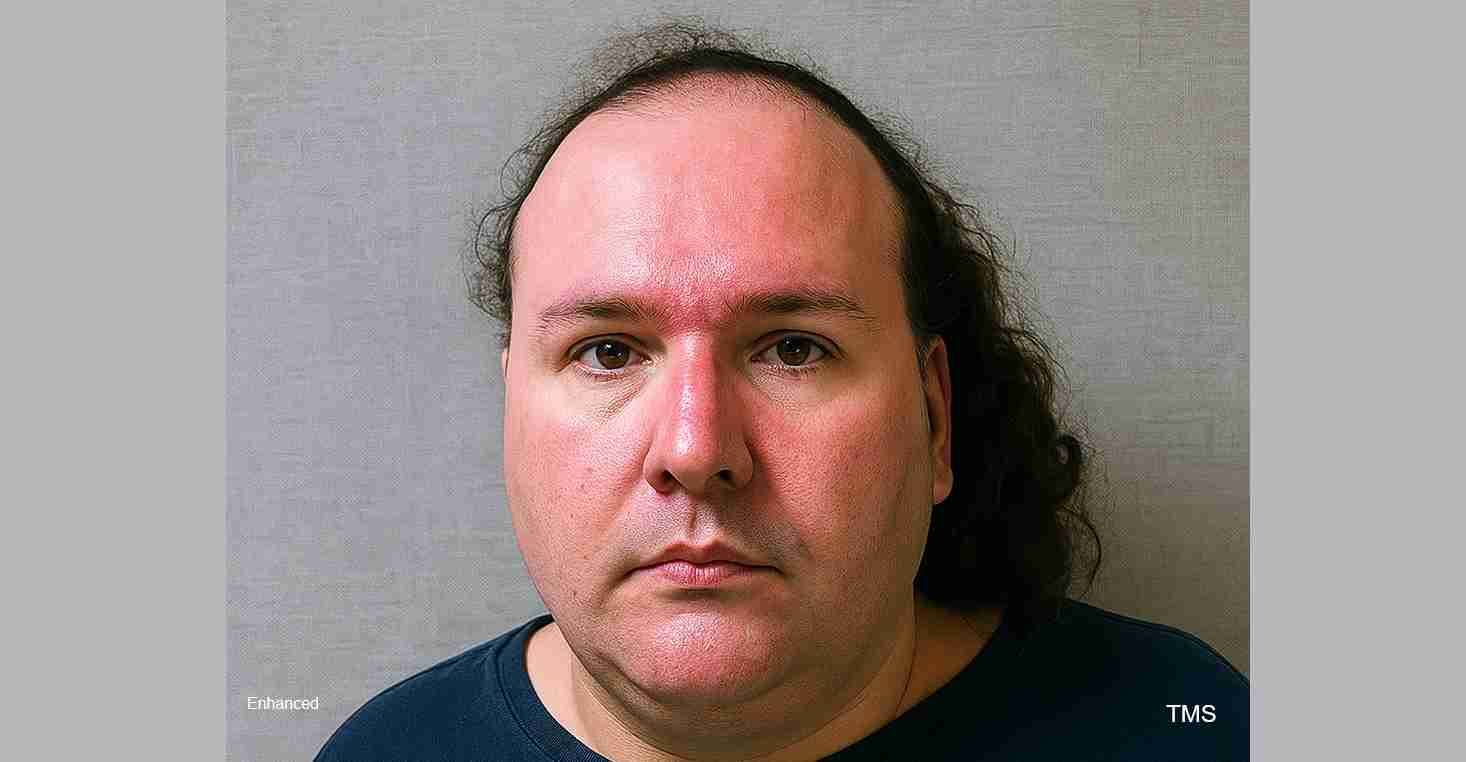
Former NH Lawmaker Stacie-Marie Laughton Pleads Guilty in Tyngsborough Daycare Child Exploitation Case
Stacie-Marie Laughton, the first openly transgender person elected to a U.S. state legislature, pleaded guilty in Boston federal court to child sexual exploitation tied to a 2022 Tyngsborough daycare scheme involving explicit images of young children.
Key takeaways
- Defendant: Stacie-Marie Laughton, former New Hampshire state representative and the first openly transgender person elected to a state legislature.
- Case: Federal child sexual exploitation charges related to a 2022 Tyngsborough daycare scheme; Laughton pleaded guilty in November 2025 and is set for sentencing in February 2026.
- Co-defendant and evidence: Lindsay Groves, a former employee of Creative Minds Early Learning Center, photographed young children and exchanged explicit images and more than 10,000 messages with Laughton.
- Penalty exposure: The federal charge carries a maximum sentence of up to 30 years in prison.
Background
Political history: Stacie-Marie Laughton made history in 2012 as the first openly transgender person elected to a state legislature in the United States, though she did not take that seat at the time after past convictions surfaced. She later won election again in 2020 and 2022. Her arrest in late 2022 prompted her resignation from the New Hampshire House in December 2022.
Her earlier record includes convictions for identity fraud and other offenses that complicated her initial attempt to serve in 2012 and featured in reporting and public records reviewed by journalists and investigators.
Investigation and charges
Federal case details: Prosecutors say the case centers on a two-person scheme in 2022 involving Lindsay Groves, a former employee at the Creative Minds Early Learning Center in Tyngsborough, Massachusetts, who allegedly photographed children as young as 3 to 5 years old and shared the images with Laughton.
The U.S. Attorney’s Office charged Laughton in July 2023; Laughton later pleaded guilty in November 2025 in federal court in Boston. Groves previously pleaded guilty and remains in federal custody.
Communications and evidence
Prosecutors emphasize the digital trail as central evidence: investigators recovered Groves’s cellphone and found more than 10,000 text messages exchanged with Laughton showing explicit requests, transfers of images, and discussions about the photos. Those messages were recovered under search warrants in a multi-agency investigation led by local and federal law enforcement.
“The messages, investigators say, show Laughton requested explicit photos and that the two discussed and transferred the images,” according to charging documents and the U.S. Attorney’s Office.
Legal history and political fallout
Laughton’s prior convictions — including identity fraud and a false bomb threat among other offenses — were previously documented and were factors when she declined the 2012 seat she had won. Her federal indictment and subsequent guilty plea in the Tyngsborough matter led to intense public scrutiny because of her profile as a former elected official and as the first openly transgender state legislator elected in the U.S.
Prosecutors have framed the case around the exploitation of children and the evidence recovered, rather than the defendant’s political identity.
Court schedule and potential penalties
Under federal law, the sexual exploitation of children charge carries a maximum sentence of up to 30 years in prison. Laughton pleaded guilty in November 2025 and is scheduled to be sentenced in February 2026. Groves, having pleaded guilty earlier, remains in custody and will also face sentencing under federal guidelines.
Implications for Redding, California
Though the case arose in Massachusetts and was prosecuted federally in Boston, localities like Redding, California, may feel ripple effects. The case can affect public confidence in childcare providers, influence local political discourse, and spur demand for safer, more transparent child-care practices.
Economic impact
- Parents may become more cautious about enrolling children, which could temporarily reduce enrollment and revenue for smaller daycare providers.
- Providers might invest in more rigorous background checks, camera systems, and third-party audits, raising operating costs that could be passed to families.
Political consequences
- Conservative voters in Redding may emphasize law-and-order messages, child protection, and stricter vetting of candidates and daycare licensing.
- Local party organizations could adopt tougher candidate screening and transparency measures.
Social effects
- Parents and caregivers may experience increased anxiety; demand could grow for child-safety workshops and community resources.
- Local social-service agencies and faith-based groups may see increased calls for assistance and education on spotting and reporting abuse.
Cultural relevance
The case highlights debates around protecting children, community standards, and trust in institutions. Journalists and leaders are urged to focus on the criminal conduct and accountability and avoid conflating those actions with a person’s gender identity.
Practical recommendations for residents
- Vetting childcare: Ask providers about staff background checks, training, camera policies, and written incident reporting procedures.
- Know reporting channels: Be familiar with local child protective services, county health and human services, and law enforcement contacts for reporting suspected abuse.
- Community action: Organize child-safety workshops through churches, parent groups, and neighborhood associations to share best practices and advocate for clear licensing standards.
Reporting and sources
This article relies on reporting and public filings from the U.S. Attorney’s Office press release (Justice Department), coverage by New Hampshire Public Radio, background material from Wikipedia and related video reporting. Court records and filings were reviewed where available.
Reporting note
The case remains active. Sentencing is scheduled for February 2026 in federal court in Boston. All factual assertions above are based on the cited public records, press releases, and reporting.


