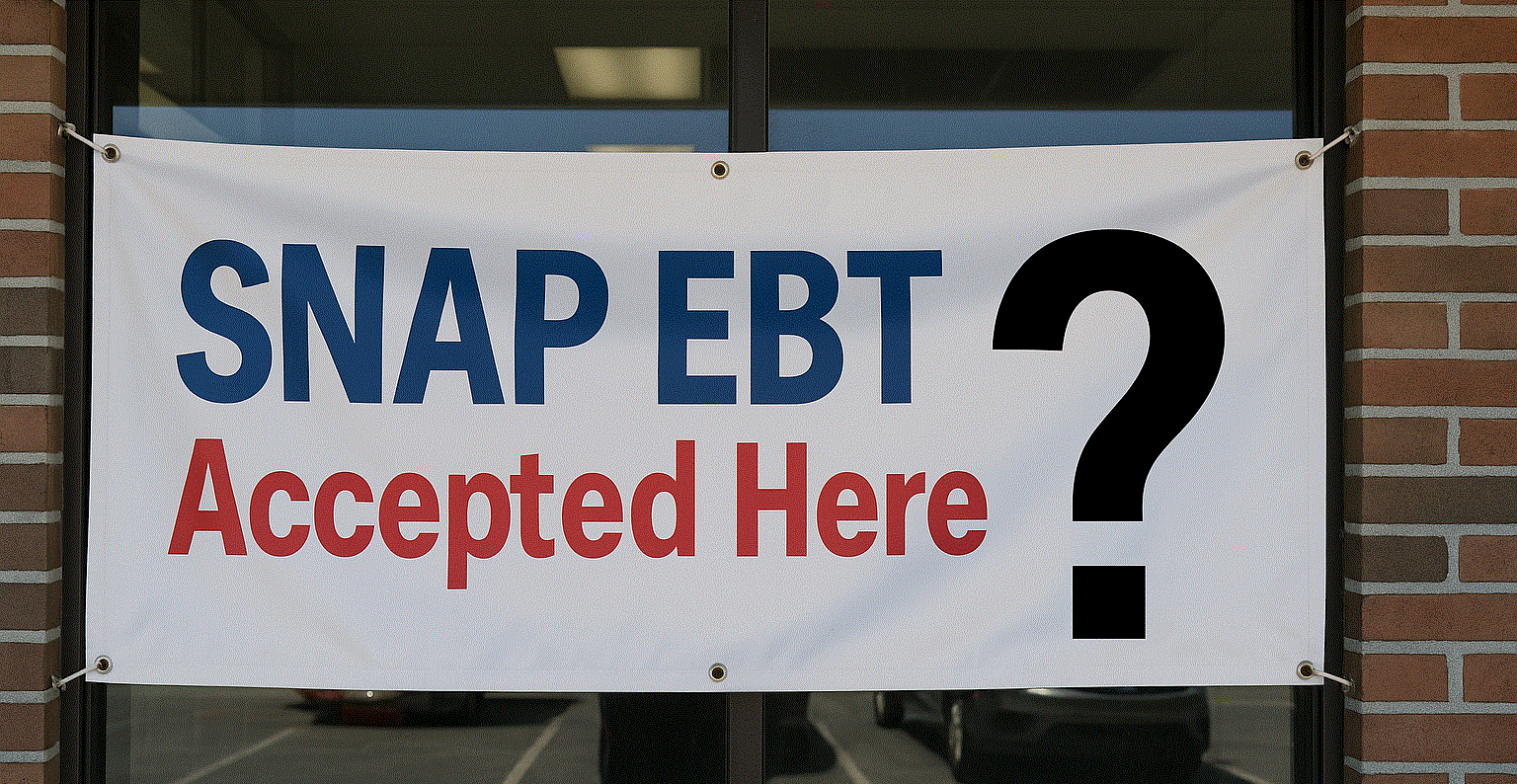
Federal Judges Order Trump Administration to Keep SNAP Benefits During Shutdown as States Sue
Federal judges ordered the Trump administration to continue distributing SNAP benefits nationwide during a prolonged government shutdown, temporarily blocking any suspension while multiple states pursue emergency lawsuits to protect low-income families, children and seniors immediately.
- Emergency court orders require the administration to keep SNAP benefits flowing while litigation proceeds.
- States sued (25 Democratic state leaders) arguing suspension would cause irreparable harm to vulnerable residents.
- Legal basis: plaintiffs relied on the Administrative Procedure Act and the Food and Nutrition Act.
- Temporary preservation of benefits preserves the status quo; broader questions remain for courts and Congress.
What the courts said and why it mattered
Federal judges intervened during a funding lapse to prevent immediate disruption of food aid. At emergency hearings, attorneys for the 25 states argued that suspending SNAP would create immediate and irreparable harm to low-income families, children and seniors.
Judge Indira Talwani of the U.S. District Court in Massachusetts expressed particular concern about potential harm, noting sympathy for the states’ contention that stopping or changing SNAP during a shutdown would damage families who rely on the program.
“The orders temporarily prevent the administration from changing SNAP operations during the shutdown, keeping benefits flowing while courts decide the legal questions.”
Legal framework cited
The states relied on the Administrative Procedure Act and the Food and Nutrition Act, arguing that the administration lacks authority to alter or halt SNAP without clear congressional authorization or proper administrative rulemaking. The emergency orders preserved benefit issuance while those claims are litigated.
Why judges intervened
Judges’ orders reflect two central legal concerns:
- Immediate harm: courts found a suspension would likely cause urgent hardship for beneficiaries who depend on monthly SNAP benefits for food.
- Agency authority: courts questioned whether the executive branch can alter or stop benefits without following statutory procedures or securing congressional action.
Those points were central to the emergency filings: the states argued SNAP is a statutory entitlement that must continue under existing law and appropriations rules, and the judges issued temporary relief to prevent harm while the legal process continues.
How SNAP works and why this matters now
SNAP provides monthly benefits to eligible low-income households to purchase food. The program is administered by the U.S. Department of Agriculture and delivered through state agencies. For implementation guidance, see U.S. Department of Agriculture, Food and Nutrition Service — SNAP implementation and guidance.
During prior shutdowns, interruptions in appropriations raised concerns that program operations could be disrupted. Because many families rely on monthly SNAP distributions, any break in benefits can have immediate consequences; the states argued the law requires consistent delivery of benefits while appropriated SNAP funds are available.
What the rulings mean for policy and the separation of powers
The emergency orders illustrate courts enforcing statutory protections during budget impasses. Two policy implications stand out:
- Rule of law: courts can require the executive branch to follow statutes governing entitlements even amid funding constraints.
- Limits on executive discretion: agencies may not unilaterally alter program operations during a shutdown without following statutory procedures or obtaining congressional approval.
These rulings preserve the status quo for SNAP while the broader dispute over executive authority during shutdowns is litigated and — potentially — addressed by Congress.
Local angle: Who feels the impact in places like Redding?
For residents of Redding, California, the court orders have immediate practical effects. Many households in Shasta County rely on SNAP to put food on the table; any interruption would have strained local food banks, school meal programs and county social services.
Implications for Redding, California
Economic impact:
- Immediate relief: the rulings mean SNAP benefits will continue to reach Redding families during the shutdown, preventing an abrupt spike in hunger and demand at local food banks.
- Budget pressure: county agencies and nonprofits may still face higher demand and need additional donations or volunteers.
Political consequences:
- Local leaders may face pressure to respond; the rulings shift focus to Congress to resolve appropriations and to state and local officials to manage increased needs.
- The case underscores tensions between executive action and congressional authority, a point resonant for conservative audiences emphasizing fiscal responsibility.
Social effects:
- Vulnerable residents — children, seniors and low-income families — are spared abrupt harm for now.
- Local nonprofits and caregivers must remain prepared if legal outcomes change or the shutdown persists.
Practical applications for residents and local officials
Recommendations:
- SNAP recipients: continue using benefits as usual and watch for official state notices about issuance dates.
- Non-profits and faith groups: coordinate with county social services to prepare for increased demand and provide clear information to residents.
- County officials and lawmakers: use the rulings to press Congress for a durable funding solution that avoids future shutdowns.
Sources and further reading
Primary references and records include public court filings and hearing summaries, plus federal guidance from the USDA: U.S. Department of Agriculture, Food and Nutrition Service — SNAP implementation and guidance.
Legal and policy watchers in Redding and nationwide will monitor ongoing litigation; for now, emergency orders keep crucial food aid in place while courts and Congress address the larger questions.