
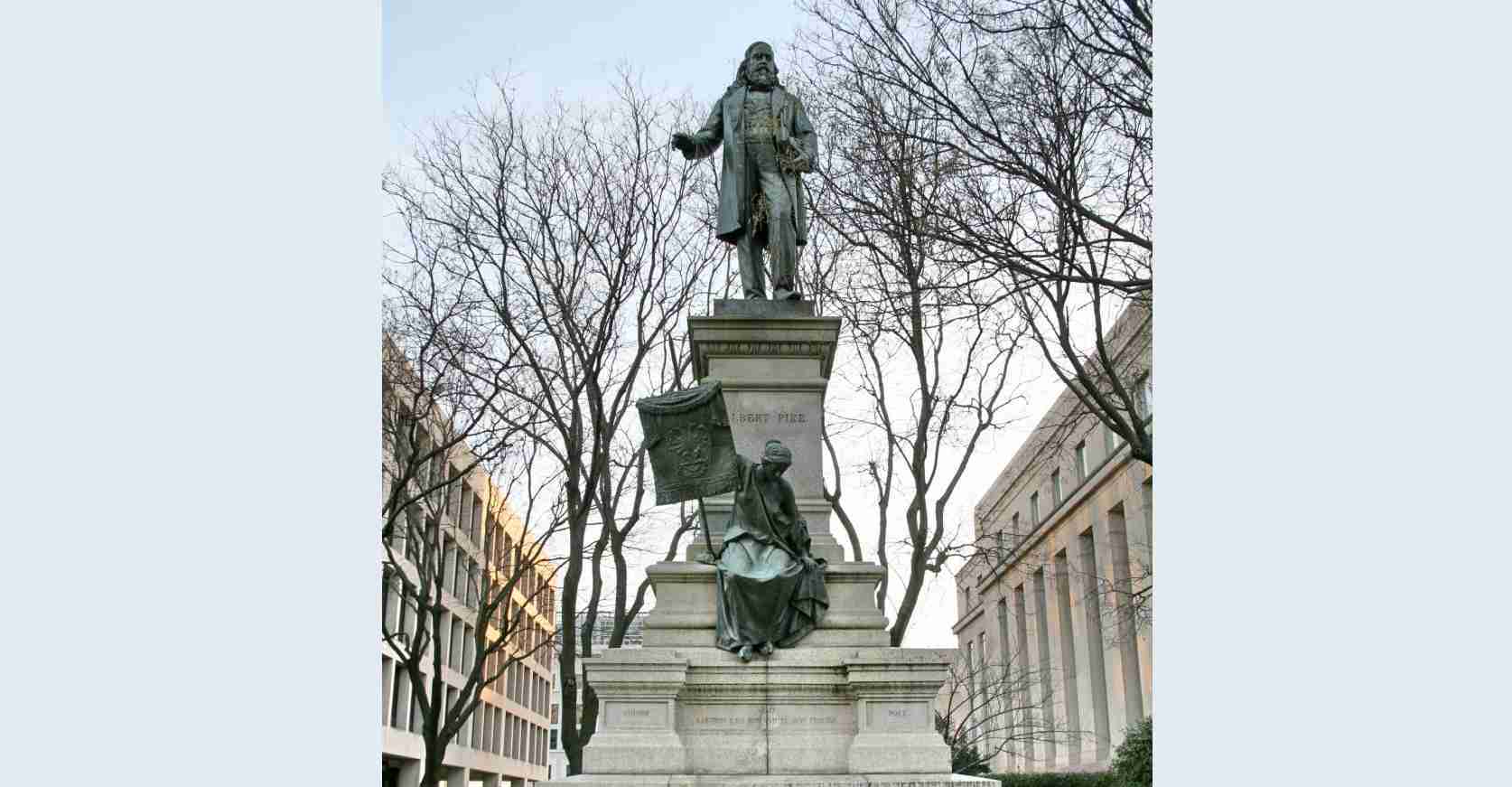
Trump administration reinstalls Albert Pike statue on National Mall, reigniting debate over Confederate monuments
The Trump administration has reinstated the Albert Pike statue on the National Mall, returning the controversial Confederate monument to near its original site after it was toppled during Black Lives Matter protests in 2020, reigniting national debate over Confederate memorials.
- Federal return: The National Park Service reinstalled the Albert Pike statue on the National Mall, as reported by National Parks Traveler.
- History of removal: The monument was pulled down by demonstrators in 2020, spray-painted and partially set on fire during Black Lives Matter protests, according to National Parks Traveler.
- Outstanding questions: Public reporting so far lacks detailed authorization documents, official statements from federal agencies, and clear legal or procedural explanations.
- Local impact: The move could prompt political, economic and civic responses in places such as Redding, California, affecting tourism, local forums and public safety planning.
What happened and why it matters
Over the weekend, federal workers with the National Park Service placed the bronze statue of Albert Pike back on the National Mall, near its prior location. The return and placement were documented by National Parks Traveler.
The statue’s dramatic toppling in 2020 amid nationwide Black Lives Matter protests — protesters used ropes to pull it down, spray-painted it and set parts on fire — made the image a potent symbol in debates about who should be memorialized on public land. The federal government’s decision to reinstall a Confederate general on the National Mall places the administration at the center of that debate, raising questions about policy, preservation and public values.
“Restoring a statue of a Confederate general to such a visible, symbolic space invites renewed national scrutiny of federal monument policy.”
Authority and process: questions left unanswered
Publicly available reporting did not include a detailed timeline, a final authorization document, or statements from the National Park Service, the Department of the Interior or White House officials explaining the legal or policy basis for the move, according to National Parks Traveler.
Key questions:
- Who signed the final authorization to reinstall the statue, and on what legal basis was the move made?
- Was any environmental, safety or historic preservation review completed before placement?
- Were federal law enforcement and congressional leaders briefed in advance?
- How will the Park Service address public safety around a monument that has previously been the site of violent confrontation?
Transparency on these items is central for citizens and officials seeking to understand the procedures used to return a divisive monument to federal land.
Context on Albert Pike and the 2020 protests
Albert Pike served as a Confederate general during the Civil War and later became a prominent Freemason. Critics highlight Pike’s Confederate role as the core reason the monument has been controversial.
The statue was toppled in 2020 amid nationwide Black Lives Matter demonstrations. Demonstrators used ropes, applied graffiti and set parts of the monument on fire — images that circulated widely online. For many, its removal was an act of protest against symbols associated with slavery and white supremacy; for others, it was unlawful destruction of public property.
Legal and policy stakes
Because the National Park Service oversees monuments on the National Mall, federal decisions about displays there carry significance beyond local disputes. Reinstallation raises questions about property rights, federal authority, and precedent.
Arguments on both sides:
- Supporters emphasize rule of law and argue that damaged or removed monuments should be restored through legal channels.
- Opponents contend the action is tone-deaf to concerns of minority communities and that federal land should reflect inclusive values.
Public reaction: what we know and what we don’t
At the time of reporting, media searches did not surface public statements from national political leaders, civil rights organizations or local officials tied directly to the Park Service action; the National Parks Traveler account included no documented reactions from elected officials or notice of counterprotests.
The absence of immediate, documented responses makes it difficult to fully assess national reaction in the hours after the statue’s return.
Implications for Redding, California
Economic impact
- Tourism and visitation: National headlines can influence traveler interest in historical destinations. Local museums and memorials in Redding may see modest changes in visitor questions or demand for programming about Civil War history and monument policy.
- Funding and security: Heightened tensions could prompt local governments to consider additional security or public forums, affecting city and county budgets.
Political consequences
- Local elections: The issue may feature in local campaigns, with different constituencies emphasizing law-and-order or racial-justice perspectives.
- Representative outreach: Constituents in the Redding area may contact members of Congress to request clarity on federal monument policy.
Social effects
- Community conversations: Churches, civic groups and historical societies may host forums to discuss handling contested historical legacies.
- Public safety: Local law enforcement will monitor national developments for signs of potential local demonstrations, though no immediate local protests were reported.
Cultural relevance
- Heritage and memory: The reinstallation touches on how communities preserve memory and decide who is honored in public spaces.
- Education: Schools and museums may see renewed interest in balanced educational content about the Civil War, the Confederacy and monument decision-making.
Practical applications for residents
Residents who wish to engage can:
- Contact local and federal representatives to express views.
- Request information from the National Parks Traveler account referenced in reporting and seek official statements from the National Park Service and Department of the Interior.
- Organize or attend public forums and educational events to discuss community values and historical interpretation.
Reporting notes and sources
This article is based on reporting from National Parks Traveler, which documented the National Park Service’s return of the Albert Pike statue to the National Mall and provided background on the statue’s toppling during the 2020 Black Lives Matter protests. At the time of publication, additional statements from federal agencies, elected officials or civil rights groups were not available in the sources reviewed.
Further reporting will seek responses from the National Park Service, the Department of the Interior and relevant congressional offices to clarify the legal basis and authorization for the reinstallation. The National Parks Traveler report is available at that source.



