
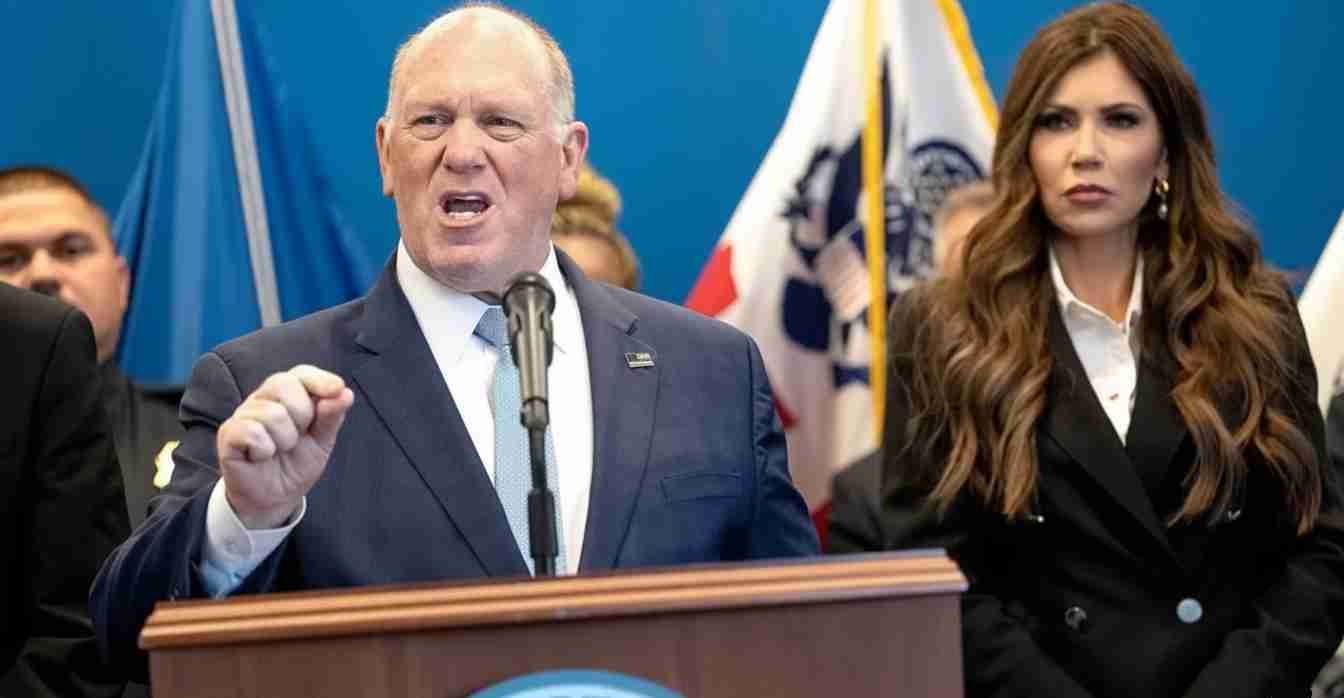
ICE leadership shakeup exposes DHS friction as Trump administration moves to speed deportations
The Trump administration has replaced several ICE field directors and reassigned senior officials, installing Border Patrol leaders in ICE posts to hasten deportations and meet higher arrest targets — a change that highlights deepening friction inside DHS.
- Multiple field directors replaced: reporting from multiple outlets says up to a dozen field directors are being replaced.
- Border Patrol officers moved into ICE roles: The administration has moved Border Patrol officials into ICE leadership roles and reassigned senior officials inside the agency.
- White House pressure on deportation metrics: Officials have pushed for higher arrest and removal targets, per reporting, creating internal tension over resources and priorities.
Overview
The Trump administration has initiated a large-scale reshuffle inside Immigration and Customs Enforcement (ICE), replacing key personnel in multiple field offices and realigning leadership priorities. The changes are explicitly aimed at increasing daily arrests and speeding removals, and they have sparked debate across the Department of Homeland Security (DHS).
Leadership changes and what they mean
Sources report that the administration is tapping Border Patrol officers to run field offices previously led by career ICE managers. Officials say this is intended to bring a tougher enforcement posture to local ICE operations and better align field tactics with the White House’s deportation objectives. See reporting from the Washington Examiner for city-level details.
Names reported as affected include Robert Guadian, Patrick Divver, John Cantu, Ernesto Santacruz and Brian McShane, who have been pushed out of roles in Denver, San Diego, Phoenix, Los Angeles and Philadelphia, respectively — a development detailed by Washington Examiner and ABC News.
Senior shifts in ERO and HSI
In Washington, senior roles are shifting as well. Kenneth Genalo, executive associate of ICE Enforcement and Removal Operations (ERO), is set to retire. Robert Hammer, the acting head of Homeland Security Investigations (HSI), is being reassigned. Marcos Charles is expected to become acting head of ERO and Derek Gordon acting head of HSI, according to reporting and Fortune.
Administration goals and internal friction
White House advisers have pushed for significantly higher arrest and removal targets. Reports indicate some advisers sought targets as high as 3,000 arrests per day, a figure many DHS officials say strains resources, legal frameworks and logistics. See Fox News and CBS News for reporting on targets and internal debates.
“White House officials have pushed for higher arrest and removal targets,” according to news reports.
Supporters of the shakeup argue a firmer enforcement stance is needed to secure the border and uphold immigration laws. Critics warn that an emphasis on volume risks undermining careful casework, damaging local law-enforcement relationships and diverting agents from complex transnational-crime investigations. See CBS News for perspectives from inside DHS.
Operational shifts: ERO and HSI roles
ERO traditionally focuses on identifying, arresting and removing immigration violators. HSI concentrates on transnational crime — smuggling, fraud and narcotics. Under the new approach, HSI personnel are increasingly drawn into immigration arrest operations to maximize removals, even when that requires reallocating agents away from counter-crime missions.
Officials moving into acting leadership roles are expected to emphasize arrest targets and removal metrics. That could speed deportations but may also shift attention away from investigations that disrupt smuggling and drug networks. ICE has reported over 271,000 removals during Fiscal Year 2025, a pace described as the highest in a decade by Fox News.
Sources and reporting
Multiple outlets have reported on the reshuffle and provided specifics about personnel changes and internal tensions. The Washington Examiner detailed city-level removals of field directors. ABC News and CBS News reported on the broader DHS realignment. Fox News and Fortune provided details on senior leadership reassignments inside ERO and HSI.
Why this matters for enforcement and the law
Policy shift: The changes reflect a clear policy decision to remove more people, faster. For conservative constituencies favoring strong border control, this signals a firmer federal response. For others, aggressive quotas risk legal, logistical and humanitarian challenges.
Trade-offs include strained legal processes, detention and transport logistics, and possible mistakes from rushed casework. Department leaders concerned about careful investigations warn that the focus on volume could undercut long-term efforts to dismantle criminal networks.
Implications for Redding, California
Economic impact
- Local law enforcement and county budgets: Increased ICE activity could raise caseloads for jails and courts, raising costs for housing detainees and processing cases in Redding and Shasta County.
- Business and labor markets: Agriculture, construction and service sectors that rely on immigrant labor may face shortages; employers may need contingency hiring plans or wage adjustments.
Political consequences
- Local elections and officials: Tougher federal enforcement can mobilize conservative voters and reshape local political dynamics.
- County and city relationships with federal agencies: Questions about cooperation, sanctuary policies and information sharing could re-emerge for Redding leaders.
Social effects
- Community trust and crime reporting: Increased ICE activity may make immigrant communities wary of police contact, hindering crime reporting and public safety efforts.
- Family stability and services: Removals can disrupt families, increasing demand for counseling, legal aid and emergency assistance in schools and social services.
Cultural relevance
Redding’s conservative-leaning communities often prioritize law and order; many residents may view the shakeup as aligning federal action with local values. Faith-based and civic groups may respond with increased outreach, legal support, or advocacy for due process and humane treatment.
Practical applications for residents
- Employers: Review hiring and I-9 compliance; prepare contingency plans for labor disruptions.
- Schools and service providers: Prepare for possible increases in students affected by family separation; coordinate pro bono legal clinics and know-your-rights workshops.
- Law enforcement: Clarify policies on cooperation with ICE to maintain public trust while complying with federal law.
Sources and further reading
- Washington Examiner: “Trump administration quietly purges ICE leaders in five cities”
- Fox News: “Leadership shake-up coming at ICE, Homeland Security Investigations, sources say”
- ABC News: “Dept. of Homeland Security replacing senior leaders at ICE, sources say”
- CBS News: “Trump administration shakes up ICE leadership over deportation levels”
- Fortune: “ICE leadership shakeup: Kenneth Genalo, Robert Hammer, Marcos Charles, Derek Gordon”
- Fox News on removals: “ICE deported nearly 200,000 so far during Trump’s second term, setting pace highest level in decade”



