White House Defends Plan to Name New Ballroom After Trump as Critics Decry East Wing Demolition
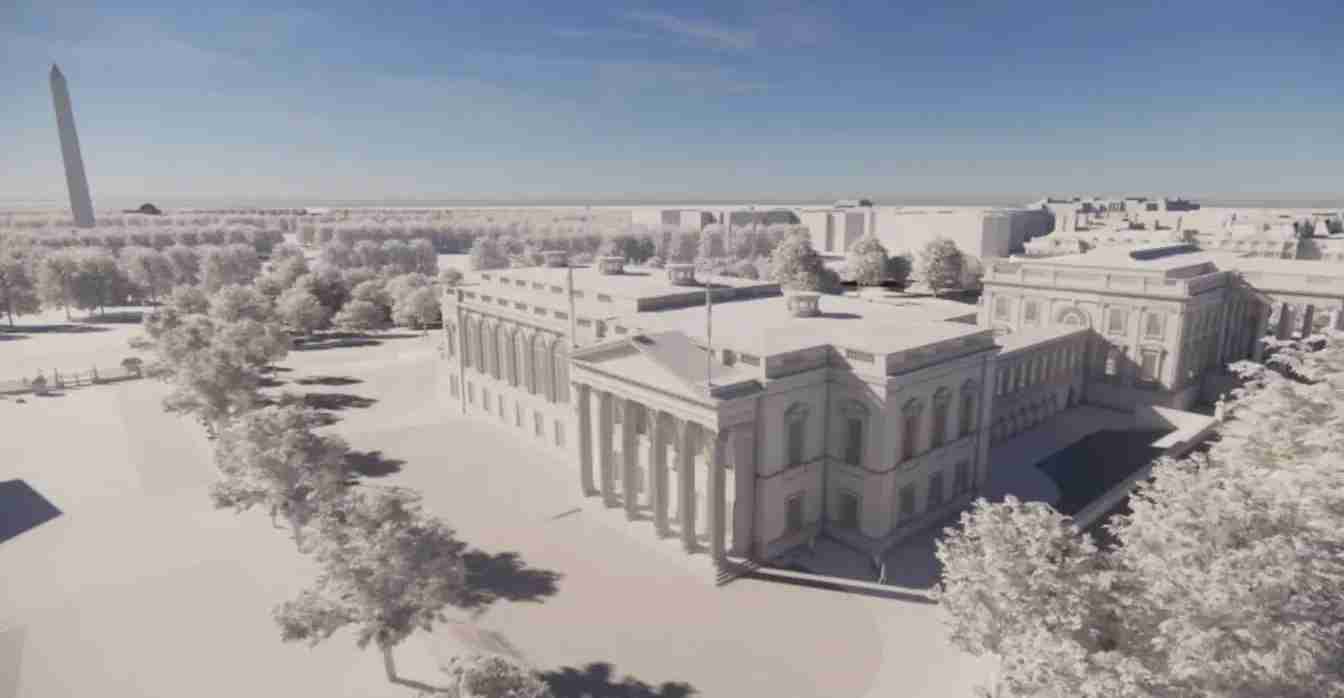
Reports confirm President Donald Trump is building a privately funded 90,000-square-foot ballroom at the White House, fueling controversy over proposed naming and demolition of much of the East Wing amid debates over legacy, funding and historic preservation.
Key takeaways
- Privately funded project: The White House says the ballroom is paid for by President Trump and donor supporters, not taxpayers (White House announcement (July brief)).
- Scale and scope: Plans describe roughly 90,000 square feet and seating for up to 900, replacing most of the East Wing.
- Naming dispute: Administration staff reportedly refer to it as The President Donald J. Trump Ballroom, provoking accusations of self-promotion (ABC News).
- Preservation concerns: Architects and preservationists warn the demolition could damage historic fabric and set a sensitive precedent (Society of Architectural Historians statement).
The full story
Project details, name and scope
According to reporting and White House materials, the internal project name is cited as “The President Donald J. Trump Ballroom”, and the new space is described as a classical-style ballroom intended to match the White House exterior. The plan would replace a large portion of the East Wing and create about 90,000 square feet of interior space, with seating for up to 900 guests for formal events, eliminating the frequent use of South Lawn tents for major functions (ABC News; White House announcement (July brief)).
The naming controversy
Administration sources told reporters that staff already refer to the space by the reported title. While there has been no formal public naming announcement, ABC News reports signs point to that name being used internally and possibly made official (ABC News).
Supporters within the White House argue the naming recognizes private donors and the president’s role in funding the work; critics call it a permanent personalization of a national symbol and view it as self-aggrandizing.
Funding and the private-donation claim
The administration emphasizes the ballroom is privately financed, paid by President Trump and what the White House calls “patriot donors,” and that taxpayers will not cover construction costs. Public reports estimate the project cost between $200 million and $300 million (White House announcement (July brief); ABC News; Business Standard).
White House response and defense
Officials have characterized much of the backlash as “manufactured outrage”, arguing the ballroom is a practical modernization and fits a long presidential tradition of renovating the executive mansion. The administration cites past major changes — for example, the West Wing expansion under Theodore Roosevelt and updates in later administrations — as precedent for necessary updates (White House article on legacy; Fox News coverage).
Critics: preservation, propriety and politics
Democrats, preservationists and watchdogs have raised multiple concerns: that the naming is politically inappropriate for a sitting president, that private funding can create perceived expectations of influence, and that the demolition will harm historically significant elements of the East Wing, originally constructed in 1902 and altered over decades. The Society of Architectural Historians publicly questioned whether the historical fabric is worth the tradeoff (SAH statement).
“The White House is not only a working residence but also a nationally significant historic site,” the preservation group warned.
Design, timeline and changes
Construction reportedly began in September 2025, with the White House stating completion is planned before the end of President Trump’s term. The ballroom is described as classical in style and intended to blend with the White House exterior while providing indoor capacity for large state dinners and ceremonies, reducing reliance on temporary tents for major events (White House announcement (July brief)).
Ethics and precedent questions
Even if donor-funded, naming a public space after a living president is uncommon and politically charged. Lawmakers, watchdog groups, and preservation advocates could probe whether contributions are tied to access or influence, and whether long-term precedent is being set for personalization of national property.
How the debate has played politically
The ballroom debate has become another partisan flashpoint. Supporters frame the project as practical and taxpayer-friendly; opponents view naming a high-profile public space after a sitting president as a political vanity project that changes norms and could alter future expectations about presidential legacies.
Coverage and public reaction
Media coverage spans straightforward reporting on scope and funding, commentary on optics, and satire. Video and social media have amplified imagery of demolition and construction activity on the White House grounds, increasing public attention and shaping narrative frames about legacy and leadership (video coverage of construction activity).
Implications for Redding, California
Economic impact: The project is privately funded and White House officials stress that taxpayers won’t pay; local businesses in Redding might see small indirect boosts if national events increase travel and attention, but direct local benefits are likely modest.
Political consequences: Expect the naming fight to filter into local politics. Conservative readers who favor limited government spending may praise private financing, while Democrats and preservation-minded residents may press for stronger naming and preservation rules. Local campaigns, letters to the editor and talk radio may pick up the story.
Social and cultural effects: The controversy is likely to shape conversations about presidential norms and historic preservation in the region — civic groups and historical societies may weigh in or convene public talks.
Practical applications: If the ballroom reduces the need for temporary structures, the logistics of state events could shift. Local donors and political organizations in Redding could see this as an example of private funding directed to public-facing projects.