
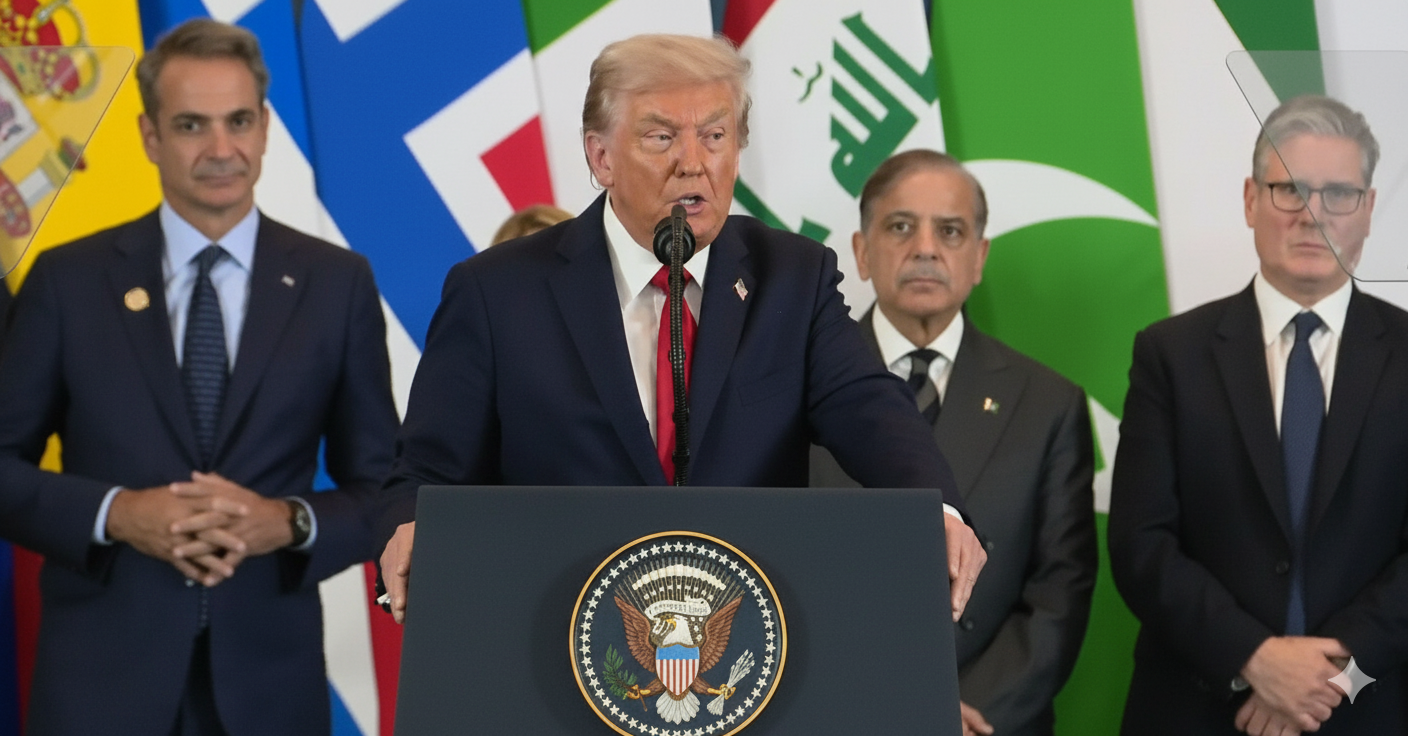
Biden, Blinken Claim Groundwork for Trump’s Gaza Ceasefire Deal, Sparking Gaza Ceasefire Credit Debate
A sharp dispute has erupted over who deserves credit for the Gaza ceasefire: Joe Biden and Antony Blinken say their administration built the diplomatic foundation, while President Trump insists his team alone negotiated and closed the final agreement.
Key takeaways
- Biden and Blinken say the Biden administration established the diplomatic framework that led to the Israel-Hamas agreement — see Fox News, Washington Times, and Anadolu Agency.
- Blinken says Trump’s 20-point plan drew from a Biden-era framework developed through months of talks — reported by Fox News and Washington Times.
- Trump’s team rejects reliance on prior work, saying their late-stage diplomacy and a 20-point plan secured the final deal — see Fox News and Washington Times.
- Observers note overlap in core principles but differences in implementation, timing and economic promises — coverage and analysis continue in Anadolu Agency.
Main content
What Biden and Blinken say
President Joe Biden told supporters his team “worked relentlessly to bring hostages home, get relief to Palestinian civilians, and end the war,” and he argued that work set the path for the later deal. He acknowledged that Mr. Trump “got the deal over the finish line,” while stressing the earlier diplomatic groundwork. Reporting and quotes appear in Fox News and Anadolu Agency.
Antony Blinken was more specific: in a public post he said the Trump plan built on a Biden-era framework developed through months of talks with Arab partners, Israel and the Palestinian Authority. Blinken named shared principles — a clear post-conflict plan for Gaza, rejecting terrorism, and envisioning Palestinian statehood alongside Israel’s security — and noted the Biden team had secured a short-term ceasefire in January and helped free roughly 135 hostages before that arrangement collapsed. See Fox News, Washington Times, and Anadolu Agency.
Trump’s response and counterclaims
President Trump rejected the claim that he relied on Biden’s effort, calling it “a joke” and pointing to what his team frames as Biden-era failures. Trump and aides present the ceasefire as a unique accomplishment of his administration, citing intensive diplomacy in Egypt and a 20-point plan they say included economic development and non-occupation guarantees not present in the earlier approach. For the administration’s framing see Fox News and Washington Times.
Facts on the timeline and what was achieved
Under Biden, U.S. officials reached a short-term ceasefire in January that led to the release of roughly 135 hostages; that arrangement did not hold long-term and did not produce a lasting deal at the time. Reporting of that period is documented by Fox News and Washington Times.
The Trump administration later convened multiple leaders in Egypt and announced what it described as a permanent or renewed ceasefire and the release of remaining hostages. The Trump plan emphasized an economic component and specific non-occupation guarantees, which his team says differ from Biden’s earlier approach (see Washington Times).
International partners, talks and overlap
Both administrations coordinated with Arab states, Turkey and other regional actors. Blinken argues that sustained discussions under Biden created a diplomatic architecture that the Trump team used; Trump’s team says it negotiated new elements and secured final signatures from key parties. Observers point to overlap in core principles — rejecting terrorism, a post-conflict Gaza plan — while noting differences in implementation, timing and economic promises. Sources: Fox News, Washington Times, Anadolu Agency.
Where the claims collide: original ideas vs. finishing the job
The central dispute asks two questions: Did Biden’s team provide the core ideas that made a deal possible, or did Trump create a new, decisive approach that brought parties to agreement? Biden and Blinken cite diplomatic groundwork, hostage negotiations and principles they say were later adopted. Trump’s side highlights the execution in final talks, the inclusion of economic development and guarantees they call new. Public statements and timeline details show both continuity and change; each side uses facts to bolster political claims. See reporting in Fox News, Washington Times, and Anadolu Agency.
Political stakes in Washington and beyond
The fight over credit matters beyond PR: it shapes public opinion, diplomatic leverage and campaign narratives. Republicans cite Trump’s role as proof of deal-making; Democrats stress continuity and the value of steady diplomacy. Both sides seek to influence how voters remember hostage recoveries and the avoidance of wider regional war. (Coverage: Fox News, Washington Times.)
Questions investigators and reporters are asking
- Which specific talking points and clauses in Trump’s 20-point plan match language developed under Biden? See Blinken’s statements.
- What role did third-party mediators and Arab governments play in bridging gaps earlier talks could not? See regional reporting in Anadolu Agency.
- Were changes in incentives, timing or leverage decisive in getting a final agreement now, as opposed to earlier? Trump’s team points to late-stage diplomacy in Egypt (analysis in Washington Times).
Implications for Redding, California
Economic impact
A stable ceasefire can ease worries about global energy markets and shipping lanes, potentially reducing oil-price volatility. That could modestly help gas prices for Redding commuters and small businesses. Local farmers and manufacturers might see steadier input costs if regional tensions ease. (Background reporting: Fox News.)
Humanitarian aid flows could expand if the U.S. increases relief efforts to Gaza, prompting local charities and faith groups in Shasta County to raise funds or partner with national organizations to send supplies. See coordination reporting in Anadolu Agency.
Political consequences
Local messaging and campaigns may use the ceasefire credit debate: conservative voters in Redding could cite Trump’s role to argue for effective leadership, while Democrats will highlight prior Biden efforts. The dispute could appear in town halls, campaign mailers and local forums. See analysis in Fox News and Washington Times.
National foreign policy wins can affect turnout among older and veteran voters in the region; activists on both sides may mobilize around who is credited.
Social effects
Redding’s many faith communities often hold prayer vigils and fundraisers for hostages and civilian victims. A perceived diplomatic success can bring relief, while debates over credit may provoke heated discussions at churches and civic meetings. (See Anadolu Agency.)
If federal policy shifts to accept more refugees, local services and charities may need to support resettlement efforts and coordinate with state agencies.
Cultural relevance
Local values shape interpretation: conservative voters often emphasize strong national defense and clear results, so the narrative of who “finished the job” matters in conversations about leadership, national values and America’s role abroad.
Practical applications for residents
- Local aid groups: Monitor federal guidance on humanitarian shipments and coordinate with national partners when directing donations. (See Anadolu Agency.)
- Civic engagement: Expect debates at town halls and candidate forums — ask local representatives how they view U.S. foreign policy credit and regional priorities like veteran support and public safety. (See Washington Times.)
Ongoing coverage to watch
Reporters will continue to: compare texts of the Biden-era framework and the Trump 20-point plan; track which leaders and mediators pushed for final terms in Egypt; and follow any follow-up agreements tied to economic aid and security guarantees. The debate is likely to shape fall campaign narratives and voter judgments in places like Redding. Sources and continued reporting include Fox News, Fox News (Blinken piece), Washington Times, and Anadolu Agency.
“The debate over who laid the groundwork versus who finished the job will shape both foreign policy legacy and domestic politics,” analysts say — an ongoing story with local and global consequences.



