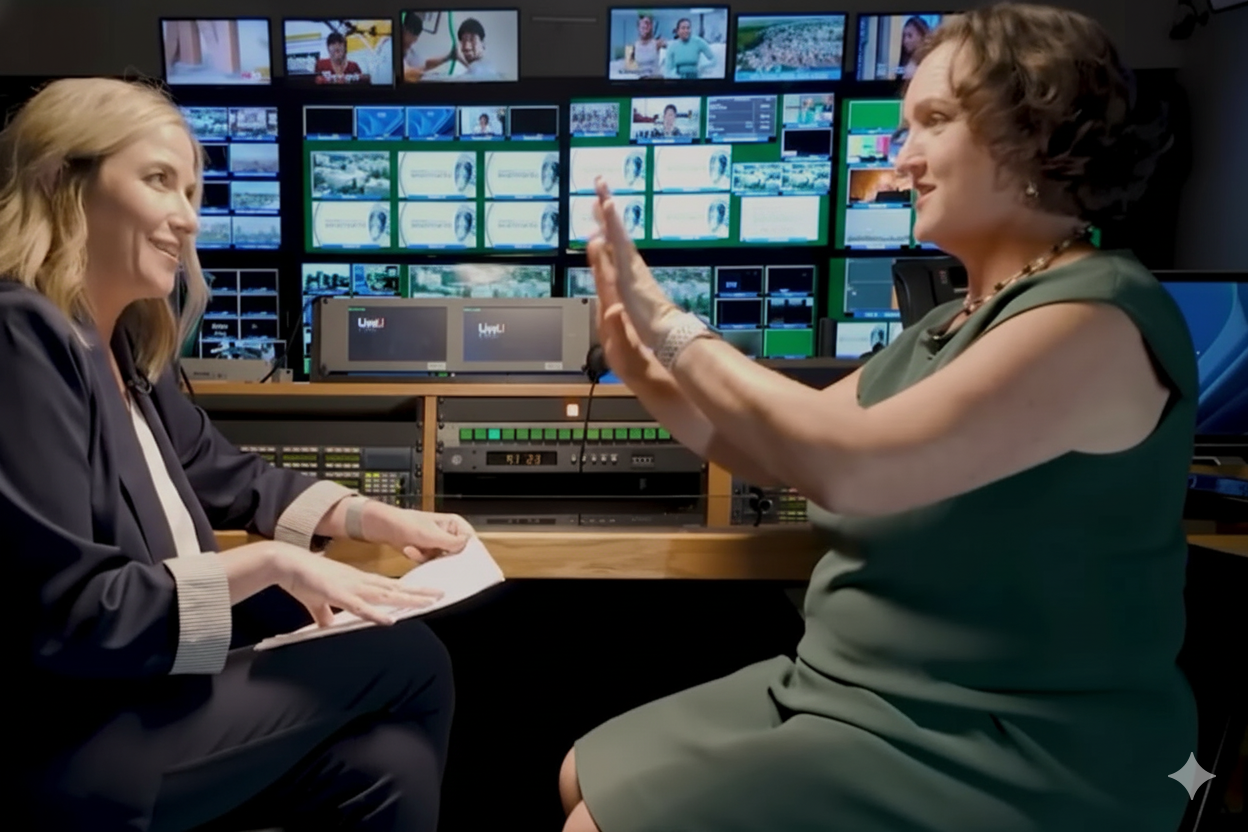
Porter Walks Out of CBS Interview After Heated Exchange Over Trump Voters, Raising Questions About Her Reach in California Gubernatorial Race
California gubernatorial candidate Katie Porter abruptly ended a CBS Sacramento interview after repeated questioning about how she would win over Trump voters and Republican Californians, a viral exchange that has sparked criticism and raised concerns about her statewide reach.
- Viral moment: Porter cut short a CBS Sacramento interview after persistent questions about attracting Trump and Republican voters.
- Political risk: Critics argue the exchange highlights potential challenges reaching conservative and independent Californians.
- Campaign context: Porter’s progressive brand has traction with Democrats but may struggle in conservative regions.
- Local impact: The clip could be leveraged by opponents in areas like Redding and the North State to energize GOP turnout.
Interview exchange: what happened on camera
The interview began with routine campaign topics including Proposition 50 and Porter’s broader strategy. The tone shifted when CBS reporter Julie Watts pressed Porter on how she would win over roughly 40% of Californians who voted for former President Donald Trump, a central question for any statewide contender seeking a majority.
“I don’t want to keep doing this. I’m going to call it. Thank you. You’re not going to do the interview with us? Nope, not like this. I’m not—not with seven follow-ups to every single question you ask.”
Video of the exchange shows Porter visibly frustrated as the reporter repeated follow-up questions, after which Porter moved to end the interview and leave the set. Viewers and commentators have circulated the clip widely; see the CBS Sacramento interview clip and related postings for the full exchange.
Why the Trump-voter question matters
Winning statewide in California still requires reaching beyond the Democratic base. While Democrats have dominated many contests, about four in ten voters supported President Trump in the last presidential election — a bloc that can be decisive in close or crowded races.
Campaign strategists say answers to questions about courting conservative voters typically include: policy compromises, messaging on public safety and the economy, and appeals to local concerns like housing and jobs. Porter’s decision to end the interview rather than outline such a plan left a public gap opponents could exploit.
Campaign context and messaging challenges
Porter rose to prominence as a progressive lawmaker known for sharp, detail-driven exchanges in congressional hearings. That style helped her win in a blue district and build a national profile, but statewide campaigns often demand a different approach: calm engagement across party lines and attention to issues that cut across ideologies.
Her recent messaging has emphasized housing reforms, consumer protections, and rolling back corporate influence — themes that energize the Democratic base but can be a harder sell in regions such as the North State, Central Valley, and parts of suburban Southern California.
Reactions from rivals, analysts and media
Rival campaigns and commentators reacted swiftly. Opponents framed the exchange as evidence Porter cannot tolerate scrutiny or dissenting views — traits they argue are problematic for a governor who must work with a diverse legislature and constituents.
Analysts noted the viral clip could be a snap judgment moment rather than a lasting indictment, and said a disciplined follow-up — walking back the exchange and presenting a clear outreach plan — could blunt the damage. Still, conservative pundits and GOP leaders seized on the moment, amplifying headlines that described the interaction as a “meltdown.”
What Porter could have said — and what a governor needs to do
Campaign veterans advise that tough follow-ups are opportunities to outline concrete steps. For a Democrat seeking statewide office in California, effective outreach to center-right voters often includes:
- Public safety proposals that address community concerns.
- Support for small businesses and local economic development.
- Investment in infrastructure and pragmatic homelessness solutions emphasizing local control and enforcement alongside services.
A short, direct answer naming such priorities might have reassured conservative and independent voters. Instead, the clipped exchange reinforced a narrative among some that Porter is not prepared to patiently engage on coalition-building.
Source attribution and video evidence
The full exchange and related clips are publicly available online. Preserve original footage and context by reviewing the posted segments:
Implications for Redding, California
Economic impact: Voters in Redding and Shasta County prioritize jobs, small business health, and rising costs. If Porter’s campaign is viewed as dismissive of Trump voters, local business leaders may worry about policies seen as raising operational costs or limiting local control.
Political consequences: Redding leans conservative in many statewide contests. The CBS clip could harden skepticism about Porter’s respect for local priorities, energize GOP turnout, and make it harder for Democrats to win moderate voters.
Social and cultural effects: Redding values directness and measured public discourse. An interview in which a candidate walks off rather than engaging may be perceived as out of step with local expectations, potentially deepening distrust and reducing opportunities for cooperative solutions.
Practical applications: Local canvassers and political organizations may use the clip in debates, forums and mailers. Voters should look for follow-up interviews or campaign events where Porter addresses outreach to conservative and independent Californians with specific policies.
Reporting note: This article preserves original facts, information, and source URLs as provided in the reporting. For the full video evidence, see the linked clips above.